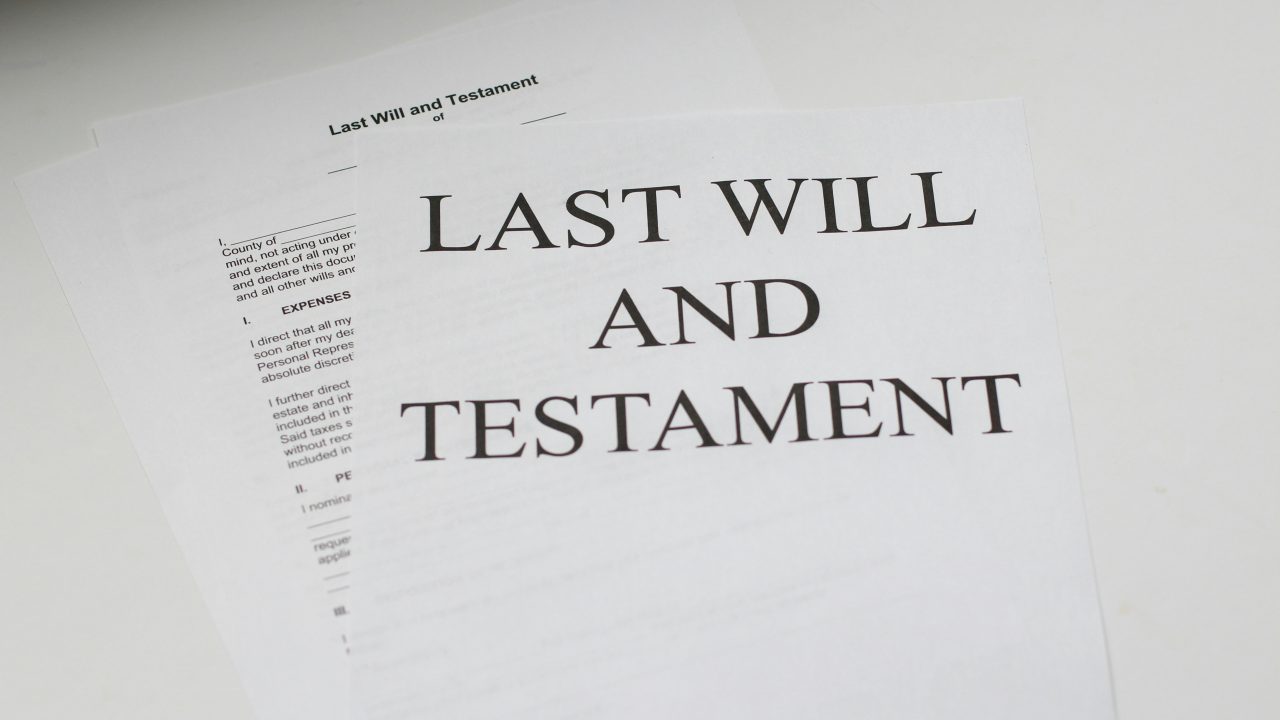
Photo by Melinda Gimpel on Unsplash
Inheriting property can feel like a financial blessing, but not every asset is easy to receive, manage, sell, or keep. Some inheritances come with debt, taxes, legal disputes, maintenance costs, family conflict, or administrative headaches. In some cases, an heir may discover that the “gift” they received creates more stress than value.
That does not mean these assets should always be avoided. Many can be handled successfully with the right planning. The problem is that families often focus on who gets what without thinking through what happens after the owner dies. A house with a reverse mortgage, a business with unpaid taxes, or a timeshare with yearly fees may create problems for beneficiaries who were not prepared.
A good estate plan does more than list assets. It considers liquidity, taxes, debt, title, beneficiary designations, family dynamics, and whether the person inheriting the asset can realistically manage it. Below are six of the worst assets to inherit and why a wills and trusts lawyer in California may recommend planning carefully around them.
1. Real Estate With Debt, Liens, or Deferred Maintenance
Real estate is often the most valuable asset in an estate, but it can also be one of the most complicated. A home may come with a mortgage, reverse mortgage, property taxes, unpaid utilities, liens, code violations, insurance problems, or major repairs.
The trouble is that expenses do not stop when the owner dies. Someone still needs to pay for:
- Mortgage payments
- Property taxes
- Homeowners insurance
- HOA dues
- Utilities
- Repairs
- Landscaping
- Security
- Probate or trust administration costs
If the property is vacant, the risk of vandalism, water damage, or insurance cancellation may increase. If family members disagree about whether to sell, rent, or keep the home, the property can become the center of a costly dispute.
California real estate can be especially valuable, which means probate may be required if the property was not properly placed in a trust or transferred by another valid method. California does have simplified procedures for smaller estates, but higher-value real estate often requires more formal administration.
Real estate is not a bad inheritance by itself. It becomes a problem when there is no cash available to maintain it, no clear plan for sale or transfer, or multiple heirs who cannot agree.
2. Timeshares
Timeshares are one of the most frustrating assets to inherit because they may have little resale value while still creating ongoing financial obligations. Many beneficiaries do not want the timeshare, cannot use it, and cannot easily sell it.
A timeshare may come with:
- Annual maintenance fees
- Special assessments
- Exchange program costs
- Reservation restrictions
- Transfer fees
- Limited resale demand
- Contractual obligations
- Collection risk for unpaid fees
Some heirs are surprised to learn that giving away or selling a timeshare can be difficult. The market may be flooded with similar units, and some companies charge fees to “help” owners exit without delivering meaningful results.
From an estate planning perspective, the key question is whether the timeshare has real value or is mostly a liability. If the owner knows the family does not want it, it may be better to address the issue during life rather than leave heirs to sort it out later.
3. Closely Held Business Interests
A family business can be a meaningful legacy, but it can also be one of the hardest assets to inherit. Unlike cash or publicly traded stock, a closely held business may require daily management, industry knowledge, licensing, customer relationships, payroll oversight, tax compliance, and leadership decisions.
Problems often arise when:
- One child works in the business, and another does not
- The business has debt or unpaid taxes
- There is no buy-sell agreement
- The owner was the only person who knew how to run operations
- Business records are incomplete
- Partners disagree with the heirs
- The estate needs cash, but the business is illiquid
- The business value is disputed
A business may look valuable on paper but generate little cash after payroll, rent, vendor obligations, loans, and taxes. If the owner’s death causes customers or key employees to leave, the value may drop quickly.
Business succession planning is critical. Owners should decide whether the business will be sold, transferred to a family member, managed by a successor, or wound down. Without a plan, heirs may inherit confusion instead of value.
4. Traditional IRAs and Other Tax-Deferred Retirement Accounts
Retirement accounts can be valuable, but inherited traditional IRAs and similar tax-deferred accounts can create tax planning challenges. Unlike many inherited assets that may receive a stepped-up tax basis, distributions from traditional tax-deferred retirement accounts are generally taxable as income to the beneficiary.
For many non-spouse beneficiaries, federal rules now require the inherited retirement account to be emptied within 10 years. In some cases, annual required minimum distributions may also apply during that 10-year period. This can create a tax trap if the beneficiary waits too long and then has to take a large taxable distribution in year 10.
Issues may include:
- Higher income tax brackets
- Required withdrawal deadlines
- Penalties for missed required distributions
- Confusion over spouse versus non-spouse rules
- Trust beneficiary complications
- Poor coordination with the beneficiary’s own income
A retirement account is not necessarily a bad asset to inherit. The problem is that many people treat it like ordinary cash and withdraw too much too quickly, or they ignore the rules and create penalties. Beneficiary designations should be reviewed regularly, especially after marriage, divorce, births, deaths, and major tax law changes.
5. Property With Environmental Problems
Land, commercial buildings, farms, gas stations, industrial sites, and even older residential property can come with environmental concerns. These issues can be expensive, technical, and difficult to resolve.
Potential problems include:
- Soil contamination
- Underground storage tanks
- Hazardous materials
- Mold
- Asbestos
- Lead paint
- Illegal dumping
- Water contamination
- Cleanup orders
- Regulatory investigations
An heir may think they inherited valuable land, only to discover that cleanup costs exceed the property’s market value. Environmental liability can also delay sales because buyers and lenders may require inspections, reports, remediation, or indemnity agreements.
This is why due diligence matters. If an estate includes land or commercial property with possible contamination, the executor, trustee, and beneficiaries should proceed carefully before taking control, selling, leasing, or disturbing the site.
6. Collectibles, Firearms, Cryptocurrency, and Other Hard-to-Value Assets
Some assets are difficult because they are hard to value, hard to transfer, or easy to lose. Collectibles may have sentimental value but uncertain market value. Firearms may involve transfer restrictions. Cryptocurrency may be inaccessible without private keys. Art, jewelry, rare coins, wine, classic cars, and memorabilia may require appraisals, storage, insurance, and specialized sale channels.
These assets can create disputes when family members disagree about value or sentimental importance. One heir may believe a collection is worth a fortune, while an appraiser may say the actual resale value is modest. Another heir may take possession before the estate is inventoried, creating suspicion and conflict.
Cryptocurrency creates a unique problem. If the deceased person did not leave secure access instructions, the asset may be permanently lost. But if access information is shared carelessly, the asset may be stolen.
Hard-to-value assets require planning that addresses:
- Accurate inventory
- Professional appraisal
- Secure storage
- Insurance
- Legal transfer requirements
- Tax reporting
- Sale procedures
- Digital access instructions
- Fair division among heirs
These assets can be valuable, but they should not be left in a disorganized way.
Why Some Inheritances Create More Problems Than Value
The worst assets to inherit usually share one or more traits. They are expensive to maintain, difficult to value, hard to sell, legally restricted, tax-heavy, emotionally charged, or tied to debt.
Before leaving complicated property to loved ones, estate planners often ask:
- Does the beneficiary actually want this asset?
- Can the beneficiary afford to maintain it?
- Is there enough cash in the estate to cover expenses?
- Will multiple heirs have to agree on what to do?
- Are there tax consequences?
- Is the asset properly titled?
- Are beneficiary designations current?
- Could the asset trigger litigation?
A thoughtful estate plan can reduce the risk that a valuable gift turns into a family burden.
FAQ About Difficult Assets to Inherit
Can I refuse an inheritance?
Yes, in many situations, an heir or beneficiary may disclaim an inheritance. A disclaimer must usually meet strict legal requirements and deadlines, so it is important to get legal and tax advice before taking action.
Is inherited property taxable in California?
California generally does not tax the receipt of an inheritance as personal income. However, income produced by inherited property, such as interest, rent, or retirement account distributions, may be taxable.
Is real estate always a good inheritance?
No. Real estate may be valuable, but it can also come with mortgages, liens, repairs, taxes, insurance costs, probate issues, and family disputes.
What happens if I inherit a house with a mortgage?
The mortgage does not disappear. The estate, trust, heir, or new owner may need to keep payments current, refinance, sell the property, or otherwise resolve the debt.
Why are inherited IRAs complicated?
Inherited IRAs have special tax and withdrawal rules. Many non-spouse beneficiaries must empty the account within 10 years, and some must take annual required distributions.
Can a trust prevent these problems?
A trust can help avoid probate and provide management instructions, but it does not automatically eliminate debt, taxes, maintenance costs, or family conflict. The trust must be properly drafted and funded.
What should I do before accepting a complicated inheritance?
Review the asset, debts, expenses, taxes, title, and legal obligations. Speak with an attorney, tax professional, or financial advisor before making decisions.
How Better Estate Planning Can Protect Your Family
The best estate plans do not simply transfer assets. They transfer assets in a way that reduces confusion, conflict, taxes, delays, and unnecessary expenses. That may mean creating a revocable living trust, updating beneficiary designations, selling burdensome assets during life, creating a business succession plan, leaving cash to cover property expenses, or giving beneficiaries clear instructions.
For families in California, planning is especially important because real estate values are often high and probate can be time-consuming. A trust may help avoid court administration, but only if assets are properly titled and the plan reflects the owner’s actual wishes.
If you own complicated property or recently inherited an asset that may create legal or financial problems, speak with a wills and trusts lawyer in California. The right guidance can help protect beneficiaries, preserve value, and prevent an inheritance from becoming an unexpected burden.
Buy Me A Coffee
The Havok Journal seeks to serve as a voice of the Veteran and First Responder communities through a focus on current affairs and articles of interest to the public in general, and the veteran community in particular. We strive to offer timely, current, and informative content, with the occasional piece focused on entertainment. We are continually expanding and striving to improve the readers’ experience.
© 2026 The Havok Journal
The Havok Journal welcomes re-posting of our original content as long as it is done in compliance with our Terms of Use.