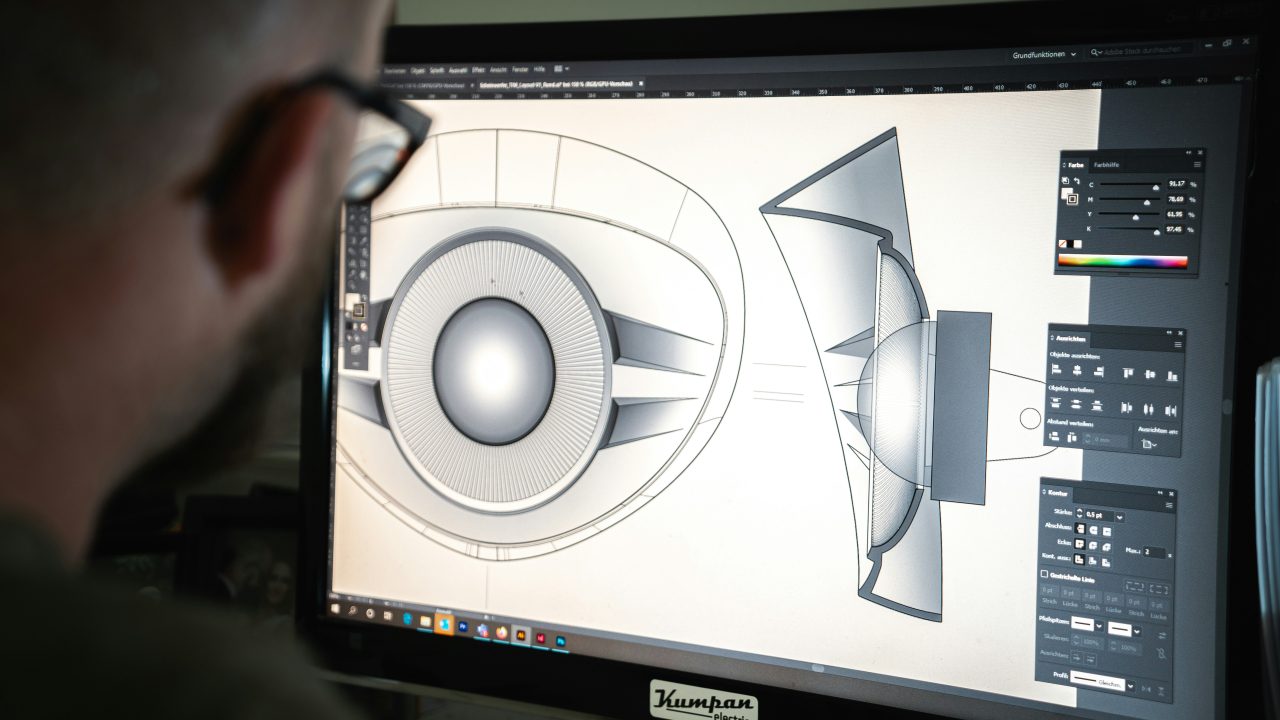
Photo by Kumpan Electric on Unsplash
A strong idea can spark a product, but it cannot carry a launch on its own. In 2026, product work calls for research, clear specs, factory fit, and a realistic plan for cost and quality. A clever concept may grab attention for a moment, yet the hard part starts after that first spark. The real test is whether the idea can hold up from concept to shipment.
Great Ideas Need Proof First
A good concept feels exciting at first glance. To create a product, a team must define the customer problem, the value of the item, and the reason it deserves space in the market. That early step keeps the project tied to a real need.
Research matters because opinions are cheap and shelves are crowded. A product may sound fresh in a meeting and still miss the mark once buyers compare price, features, and use. The reference guide places research near the start to shape the brief before design moves ahead.
Clear Product Specs Shape Better Results
Once the concept has a purpose, the next step is detail. A product brief should spell out what the item must do, who it serves, and which benefits matter most. That gives designers, engineers, and suppliers a shared point of reference. Without that, each person may picture a different end result.
Strong specs also help keep costs in check. Features look harmless on paper, yet each extra part can affect tooling, materials, and assembly. A simple product often has a better chance than one packed with extras. The smartest version is usually the one that solves the core problem well.
Design Must Match Real Use
Design includes shape, size, materials, and ease of use. Each of those factors affects whether a product feels right in a customer’s hands. A sleek sketch may look perfect on a screen and still fail in daily use.
Early Tests Reveal Weak Spots
Early tests can show where a product falls short. Simple mockups, rough samples, and user feedback can expose flaws before major costs enter the picture. That kind of check can spare a team from a costly blind spot later.
Factory Fit Matters as Much as Concept Fit
A product is not ready just because the design file looks polished. Someone still has to build it with the right process, tools, and materials. Factory fit matters because a good concept can still break down at the production stage. That gap catches many first-time founders off guard.
A practical factory search should look at capability, quality history, and order size fit. A mismatch can lead to delays, weak samples, or costs that wreck the margin. This is where product work shifts from idea mode to execution mode. It is also where many promising concepts run into hard limits.
Launch Prep Calls
Teams still need a plan for quality checks, production timing, freight, and customer support after launch. That is why product creation in 2026 feels more demanding than it may have years ago.
A solid launch plan often includes these basics:
- a clear cost target
- quality standards for production
- a timeline for purchase orders and freight
- a plan for customer support and returns
A good idea still matters, though it is only the first brick in the wall. Anyone who wants to create a product in 2026 must think through research, specs, design checks, factory fit, and launch prep with equal care. The napkin sketch may start the story, but the outcome depends on the work that follows. Good products rarely come from inspiration alone, and that is the plain truth of it.
Buy Me A Coffee
The Havok Journal seeks to serve as a voice of the Veteran and First Responder communities through a focus on current affairs and articles of interest to the public in general, and the veteran community in particular. We strive to offer timely, current, and informative content, with the occasional piece focused on entertainment. We are continually expanding and striving to improve the readers’ experience.
© 2026 The Havok Journal
The Havok Journal welcomes re-posting of our original content as long as it is done in compliance with our Terms of Use.