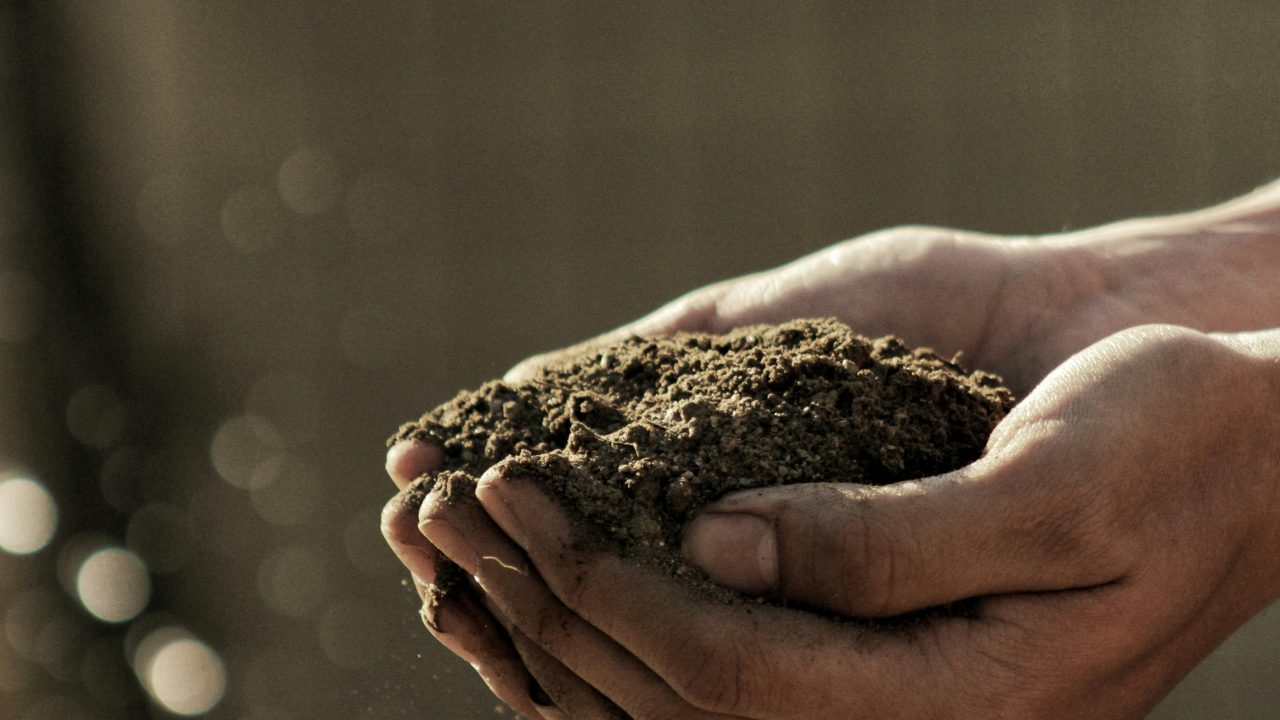
Photo by Gabriel Jimenez on Unsplash
Lime treatment gives weak, moisture-sensitive soil a practical route to higher bearing capacity and lower shrink-swell movement. Crews often select it where clay holds water, deforms under wheel loads, and slows grading progress. Sound results depend on testing, spread rates, mixing depth, and curing discipline at every stage. Used with care, the method can turn unstable subgrade into a firmer working platform for pavement, pads, and haul routes.
Start With Soil Testing
Every successful program starts in the lab, where plasticity, gradation, natural moisture, and clay fraction show whether lime suits the deposit. During that review, a guide to soil stabilization using lime can help teams compare specification language, product forms, treatment goals, and field checks before spread rates are set. Early data reduces avoidable errors once equipment reaches the site and production pressure rises.
Choose the Right Lime
Quicklime and hydrated lime do different jobs in the field. Quicklime reacts strongly with water, which helps dry wet material while treatment begins. Hydrated lime is calmer to handle and enters the soil as a finished powder. Product choice depends on haul distance, storage limits, weather, crew experience, and the moisture condition recorded during preconstruction sampling.
Match the Soil Type
Clay-rich material usually responds best because fine particles support the chemical reactions that reduce plasticity and build long-term strength. Very sandy ground often needs another binder or a separate design path. Sulfates deserve close attention as well, since untreated sulfate issues can trigger swelling after placement. That risk is manageable, though only when laboratory screening happens before any spread pattern is approved.
Prepare the Work Area
Field preparation sets the tone for everything that follows. Crews generally proof-roll the area, remove oversized fragments, and scarify to the planned depth before lime arrives. Large clods need to break down so powder can reach more surface area during mixing. Drainage also matters here because standing water interferes with spread accuracy, slows blending, and leaves weak pockets that compaction cannot fully correct.
Mix in Planned Stages
Initial mixing distributes lime through the loosened layer and starts the first change in soil texture. Many projects then require a mellowing period so moisture and chemistry can work through the clay mass. After that wait, crews remix, pulverize, and shape the section again. Staged processing usually improves uniformity, which makes later density control more dependable across the full treatment depth.
Monitor Site Conditions
Weather influences performance more than many schedules admit. Low temperature can slow the reaction needed for early strength gain, while strong wind may carry fine particles away during spreading. Moisture balance matters just as much. Dry material resists full blending, yet saturated soil may rut under rollers and refuse target density. Daily checks keep the process aligned with actual field behavior.
Compaction and Curing
Compaction must happen while the treated layer remains workable and evenly moist. If rolling starts too late, density may be insufficient, resulting in a softer mat under traffic. Once target compaction is reached, the curing process allows cementing reactions to continue within the soil structure. Restricted access during that period protects the surface from shear damage and helps preserve the gains created during mixing.
Respect the Limits
Lime is effective, but it is not a cure for every subgrade problem. Long exposure before cover can reduce surface quality, especially where rainwater ponds after trimming. Premature loading may scar the layer before internal bonding has matured. Seasonal timing also deserves discipline, since treatment placed late in a work window can struggle if follow-on construction does not arrive soon enough.
Conclusion
Soil data, product selection, spread control, mixing quality, compaction timing, and curing all shape the final result while using lime treatment for soil stabilization. When those steps line up, clayey ground can become less plastic, less moisture-sensitive, and more supportive under load. That outcome saves rework, steadies production, and gives crews a sounder base for the next operation.
Buy Me A Coffee
The Havok Journal seeks to serve as a voice of the Veteran and First Responder communities through a focus on current affairs and articles of interest to the public in general, and the veteran community in particular. We strive to offer timely, current, and informative content, with the occasional piece focused on entertainment. We are continually expanding and striving to improve the readers’ experience.
© 2026 The Havok Journal
The Havok Journal welcomes re-posting of our original content as long as it is done in compliance with our Terms of Use.


