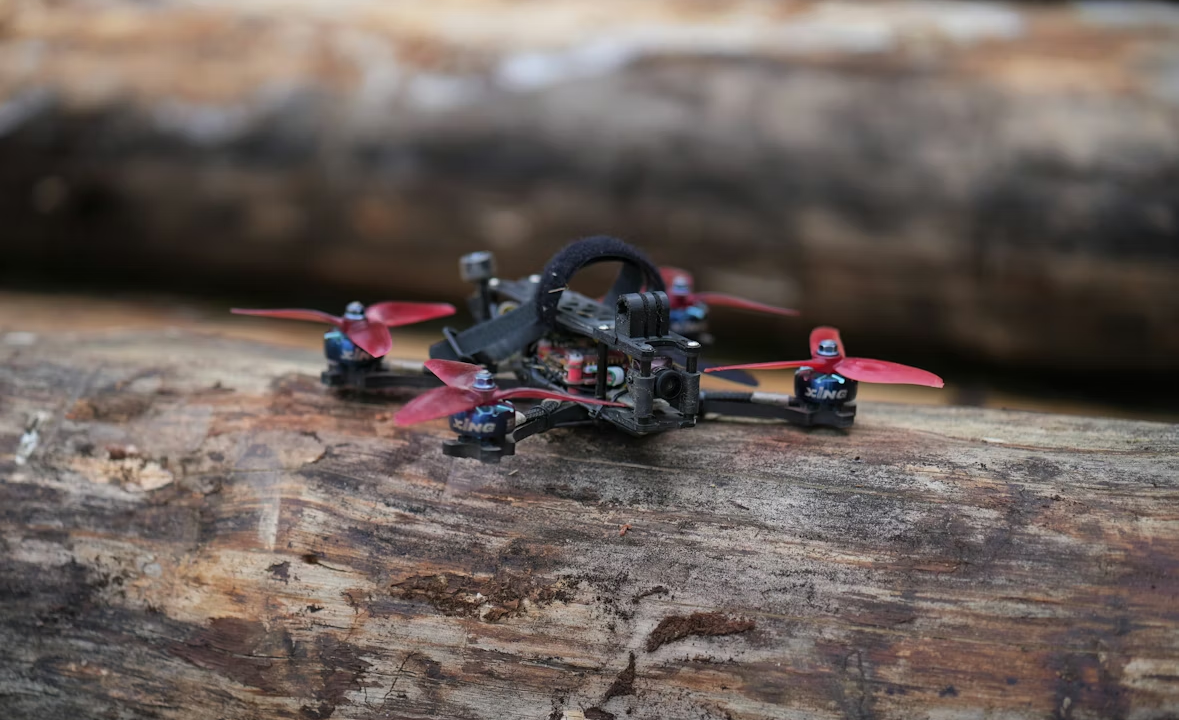
The domain of first-person view unmanned systems has witnessed significant adaptation in response to intensified electronic threats on the battlefield. Traditional radio-linked platforms frequently lose connectivity when exposed to deliberate interference, compelling operators to seek alternatives that maintain command integrity. In this context, cable drone solutions have gained prominence by employing a physical link that transmits data without reliance on broadcast signals. Manufacturers such as SkyCraft have developed practical implementations, including their FOC series, which integrate a thin fiber optic cable spooled from the drone to ensure uninterrupted control and video feed even amid dense jamming.
These tethered FPV platforms operate by unspooling lightweight optical fiber during flight, converting commands and imagery into light pulses for direct transmission. The absence of radio emissions renders conventional electronic warfare techniques ineffective against the communication channel. Operators retain full situational awareness and precise maneuvering capabilities, often from protected positions, without revealing their location through electromagnetic signatures.
Mechanisms of Resilience Against Electronic Interference
Tethered designs fundamentally alter the vulnerability profile of FPV drones by replacing vulnerable wireless links with a secure physical conduit. Control signals and high-resolution video travel through the fiber optic cable, immune to radio frequency jamming or spoofing attempts that overwhelm spectrum-dependent systems. This architecture proves particularly effective in environments saturated with electronic countermeasures, where standard platforms experience rapid degradation or complete loss of function.
The cable itself consists of ultra-thin, durable single-mode fiber that unwinds smoothly from an onboard spool, supporting extended ranges while preserving low-latency performance. Media converters handle the seamless exchange of data, delivering stable imagery even in complex terrain or shielded areas that would otherwise block radio waves. Deployment remains straightforward, often requiring minimal preparation time, allowing rapid integration into operational workflows.
Key strengths of these platforms include the following.
- Complete immunity to radio frequency jamming preserves continuous command and control.
- Elimination of detectable radio emissions complicates enemy detection and targeting efforts.
- High-bandwidth transmission supports clear, real-time video feeds without interruptions.
- Reliable operation in GPS-denied or heavily contested electromagnetic conditions.
Such features collectively position tethered FPV systems as a robust response to prevailing electronic warfare challenges.
Operational Characteristics and Implementation Details
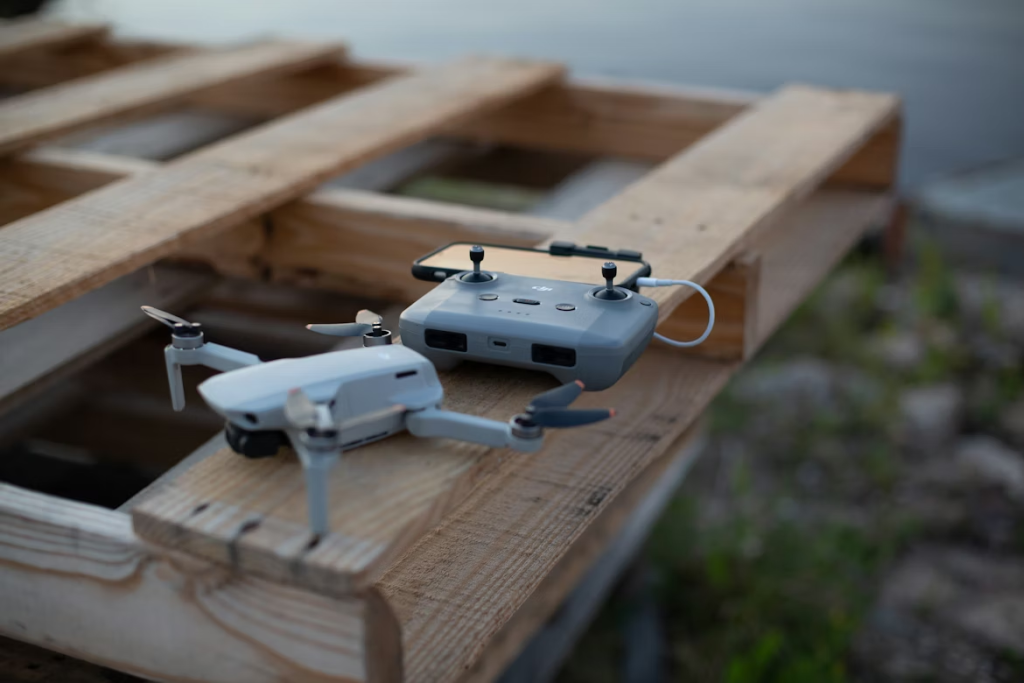
SkyCraft platforms, for instance, achieve operational ranges approaching 25 kilometers with payload capacities up to approximately seven kilograms, utilizing carbon-fiber frames for structural integrity. Flight durations reach 40 minutes without heavy loads or around 28 minutes when carrying munitions, with maximum speeds exceeding 100 kilometers per hour under favorable conditions. The fiber optic connection ensures instantaneous data transfer, supporting analog cameras with exceptional low-light sensitivity for effective targeting.
While the tether introduces considerations such as potential entanglement with obstacles or physical severance risks, operators mitigate these through careful route planning and pre-cleared corridors. The system excels in scenarios demanding precision strikes or reconnaissance where radio-based alternatives would fail. Optional navigation aids can supplement the primary link, yet the fiber optic core remains the decisive element for maintaining functionality amid interference.
Advancing Toward Enduring Aerial Superiority
Cable drone concepts illustrate a strategic evolution in unmanned systems, directly addressing the limitations imposed by sophisticated jamming capabilities. By prioritizing physical connectivity over wireless dependence, tethered FPV platforms sustain mission effectiveness where conventional designs encounter insurmountable barriers. As electronic warfare continues to shape operational realities, these innovations from developers like SkyCraft contribute to more resilient aerial tactics and enhanced overall force protection in dynamic threat landscapes. Their adoption signals a broader shift toward technologies that prioritize reliability and security in contested domains.
Buy Me A Coffee
The Havok Journal seeks to serve as a voice of the Veteran and First Responder communities through a focus on current affairs and articles of interest to the public in general, and the veteran community in particular. We strive to offer timely, current, and informative content, with the occasional piece focused on entertainment. We are continually expanding and striving to improve the readers’ experience.
© 2026 The Havok Journal
The Havok Journal welcomes re-posting of our original content as long as it is done in compliance with our Terms of Use.