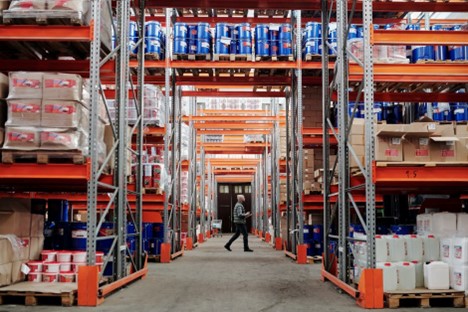
Pallet racking systems represent the backbone of storage solutions, directly impacting the workflow and productivity of your operations. However, many businesses need to pay more attention to the importance of properly installing and managing these systems. Common pitfalls can lead to costly accidents, diminished storage capacity, and even regulatory fines. By understanding and avoiding these errors, you can safeguard your investments and create a more streamlined, productive environment for your team. This article will explore the critical mistakes to avoid in pallet racking and the significant benefits of maintaining optimal storage practices.
The Importance of Proper Pallet Racking Installation
Pallet racking systems are designed to hold and organize heavy loads, making them critical warehouse or storage facility components. However, these racks can pose a significant safety hazard if not installed correctly. Improperly assembled or overloaded pallet racks can collapse, causing damage to products and equipment and potential injuries to employees. Moreover, faulty installation can lead to decreased stability and reduced weight-bearing capacity, ultimately impacting the overall efficiency of your operations.
To ensure the safe installation of pallet racking systems, it is crucial to follow manufacturer guidelines and seek professional assistance from experienced installers. You can find more here guidance from industry experts on proper installation techniques and safety protocols. Investing in high-quality racking systems with load ratings suitable for your specific needs can prevent potential disasters and save you money in the long run.
Finding the correct solution will drastically improve the overall workflow and safety within a storage facility. Warehouses that implement effective stock rotation systems are able to streamline inventory tracking while maximizing the structural utility of their existing pallet layouts. This deliberate organization minimizes unnecessary handling and reduces the risk of accidental forklift impacts against the upright frames. Ultimately, maintaining an organized flow of goods directly supports long-term operational efficiency and warehouse safety.
Avoiding Common Pallet Racking Mistakes
Aside from proper installation, other critical factors must be considered when managing pallet racking systems. Some common mistakes that can compromise the effectiveness and safety of your storage solutions include:
- Overloading racks: One of the most common mistakes in pallet racking is overloading the shelves. This can happen when businesses try to maximize their storage capacity by pushing the weight limits of their racks. Not only does this put a strain on the structure, but it also poses safety risks for employees who may be working near or under overloaded racks.
- Poorly maintained racks: As with any equipment, pallet racking systems require regular maintenance to ensure their integrity and functionality. Neglecting inspections and repairs can lead to weakened frames, damaged beams, and other structural issues that can compromise the safety and efficiency of your operations.
- Incorrect use of pallet racking accessories: Pallet racking systems often come with various accessories, such as wire decking, row spacers, and column protectors. These accessories are designed to enhance the stability and safety of your racks. However, if used incorrectly or not at all, they can impact the overall structural integrity of your storage system.
- Lack of employee training: Properly trained employees are crucial in maintaining a safe and efficient warehouse environment. Accidents can occur due to mishandling or overloading without adequate training on how to operate and store items on pallet racks correctly. Regular training and refresher courses can help prevent these incidents and improve warehouse safety.
By avoiding these common pallet racking mistakes, you can ensure your storage solutions’ longevity, safety, and efficiency. This protects your investments and contributes to a more productive and streamlined workflow for your business.
The Benefits of Optimal Pallet Racking Practices
In addition to preventing accidents and costly errors, maintaining proper pallet racking practices can offer significant benefits for your business, including:

- Increased storage capacity: Weld-maintained tracks that are properly loaded and organized can optimize your storage space and increase overall capacity.
- Improved inventory management: Properly labeled racks with well-organized inventory make it easier for employees to locate and retrieve items, reducing the risk of errors and delays.
- Cost savings: BAvoidingaccidents and maintaining efficient storage practices can save money on repairs, replacements, and potential regulatory agency fines
- Enhanced employee safety: Ensuring the safety of your warehouse environment protects your employees, boosts morale and productivity, and reduces the risk of costly workers’ compensation claims.
- Maximized productivity: When your warehouse is organized and efficient, it directly impacts the productivity and efficiency of your business. Employees can easily access items, reducing the time spent searching for products and increasing overall workflow.
Investing in proper installation, routine maintenance, and employee training can lead to a more organized and productive warehouse environment. It also demonstrates a commitment to your employees’ well-being and your business’s longevity.
Pallet racking systems are vital investments for any business that deals with heavy goods or large inventories. By avoiding common mistakes in installation, maintenance, and usage, you can ensure the safety of your employees, protect your investments, and create a more efficient and productive workplace. Always follow manufacturer guidelines and seek professional assistance to avoid potential pallet-racking pitfalls. So, proactively identify and address issues before they become major problems. With proper care and attention, your pallet racking systems can continue to support your operations effectively for years to come.
Buy Me A Coffee
The Havok Journal seeks to serve as a voice of the Veteran and First Responder communities through a focus on current affairs and articles of interest to the public in general, and the veteran community in particular. We strive to offer timely, current, and informative content, with the occasional piece focused on entertainment. We are continually expanding and striving to improve the readers’ experience.
© 2026 The Havok Journal
The Havok Journal welcomes re-posting of our original content as long as it is done in compliance with our Terms of Use.


