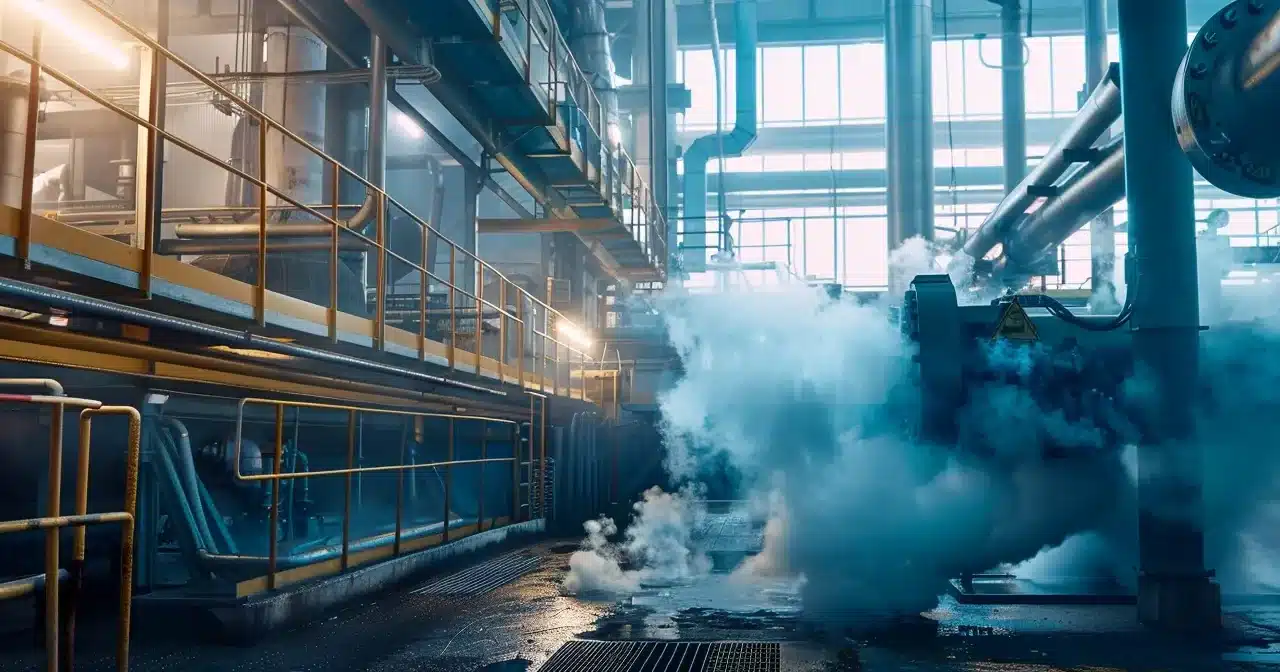
Industrial effect evaporators are critical components used across multiple sectors, including pharmaceuticals, food processing, and chemical production. They serve a pivotal role in concentrating solutions, removing solvents, and improving product purity. These systems are designed to minimize energy consumption while maximizing output, making them a cornerstone in efficient manufacturing processes. Exploring the advantages of industrial evaporators offers insights into their versatility and necessity for modern industry. Below, we delve into the many benefits these systems provide to industries around the globe.
Understanding Industrial Effect Evaporators and Their Role in Manufacturing
An effect evaporator are crucial in industrial processes like syrup production and wastewater treatment, where they use heat to remove water or solvents, concentrating the substance. These systems recycle heat across multiple stages, making them more energy-efficient than single-stage evaporators. Depending on production scale, concentration goals, and costs, they come in single, double, or triple effect configurations.
By recovering valuable byproducts, effect evaporators help manufacturers reduce waste, lower storage and transportation costs, and meet environmental regulations. Their role in minimizing the ecological footprint while enhancing efficiency makes them a responsible choice for modern industries.
Enhanced Efficiency and Reduced Operating Costs with Evaporation Technology
Evaporation technology has significantly improved industrial efficiency by reducing energy costs and operating expenses. Effect evaporators, which use the same heat source across multiple effects, significantly reduce energy consumption, especially for facilities with high solvent throughput. Their simpler construction and fewer moving parts require less maintenance, reducing unplanned downtime and associated costs.
Modernization of control systems for effect evaporators offers tighter process regulation, ensuring optimal efficiency ranges and reducing energy consumption. This precision not only saves energy but also provides predictability in performance, leading to smoother budget management. Evaporation technology is a valuable asset for production facilities of all sizes.
The Environmental Impact of Industrial Evaporators: Sustainability Benefits
Industrial evaporators are crucial for environmental protection by reducing waste and allowing businesses to reuse solvents. They align with global initiatives to decrease energy consumption and lower carbon emissions, demonstrating ecological consciousness. Effect evaporators can be used in water-intensive industries to purify and recycle water, minimizing local water resource demand and promoting ethical business practices.
They also have advanced filtration and separation capabilities, preventing the release of hazardous materials into ecosystems. These evaporators contribute to a cleaner and safer environment for future generations by ensuring proper handling and processing of harmful substances. Industrial evaporators play a vital role in promoting circular economies and reducing environmental footprints.
Improved Product Quality and Consistency Through Precise Evaporation Control

Controlling the evaporation process precisely is crucial for improving product quality, especially in the food and pharmaceutical sectors. This ensures consistent heating and temperature maintenance, preventing degradation of heat-sensitive materials. Consistent product density and concentration are essential, especially when the evaporated substance is the main ingredient.
This prevents batch-to-batch variability, ensuring customer satisfaction and adherence to industry standards. Effect evaporators protect product composition by gently removing solvents, reducing the risk of altering taste, color, or texture. Precision in removing impurities is vital in high-purity applications like semiconductor manufacturing or medical. The reliable performance of effect evaporators ensures the production of highly pure substances for sensitive and critical applications.
Innovations in Evaporator Design: Meeting the Challenges of Diverse Industrial Applications
Industrial effect evaporators are characterized by their versatility and design innovations, catering to unique process requirements across different sectors. Some industries require sophisticated systems for temperature-sensitive materials, while others require hybrid systems that combine evaporation with other separation techniques. Modern evaporator technology offers customization capabilities, allowing for efficient and sustainable processes.
Energy recovery is another area of development, with new models incorporating innovative methods for reclaiming energy from vapor condensation. The integration of IoT sensors and controls in evaporator technology also enhances efficiency and flexibility in manufacturing operations. Evaporator technology continues to adapt to the evolving challenges of diverse industrial applications.
Overall, industrial effect evaporators stand out as indispensable tools in modern manufacturing, contributing to sustainable practices, cost savings, and high-quality production. As innovation continues, the potential applications and benefits of these systems seem poised to expand even further, affirming their critical role in industries worldwide.
Buy Me A Coffee
The Havok Journal seeks to serve as a voice of the Veteran and First Responder communities through a focus on current affairs and articles of interest to the public in general, and the veteran community in particular. We strive to offer timely, current, and informative content, with the occasional piece focused on entertainment. We are continually expanding and striving to improve the readers’ experience.
© 2026 The Havok Journal
The Havok Journal welcomes re-posting of our original content as long as it is done in compliance with our Terms of Use.


