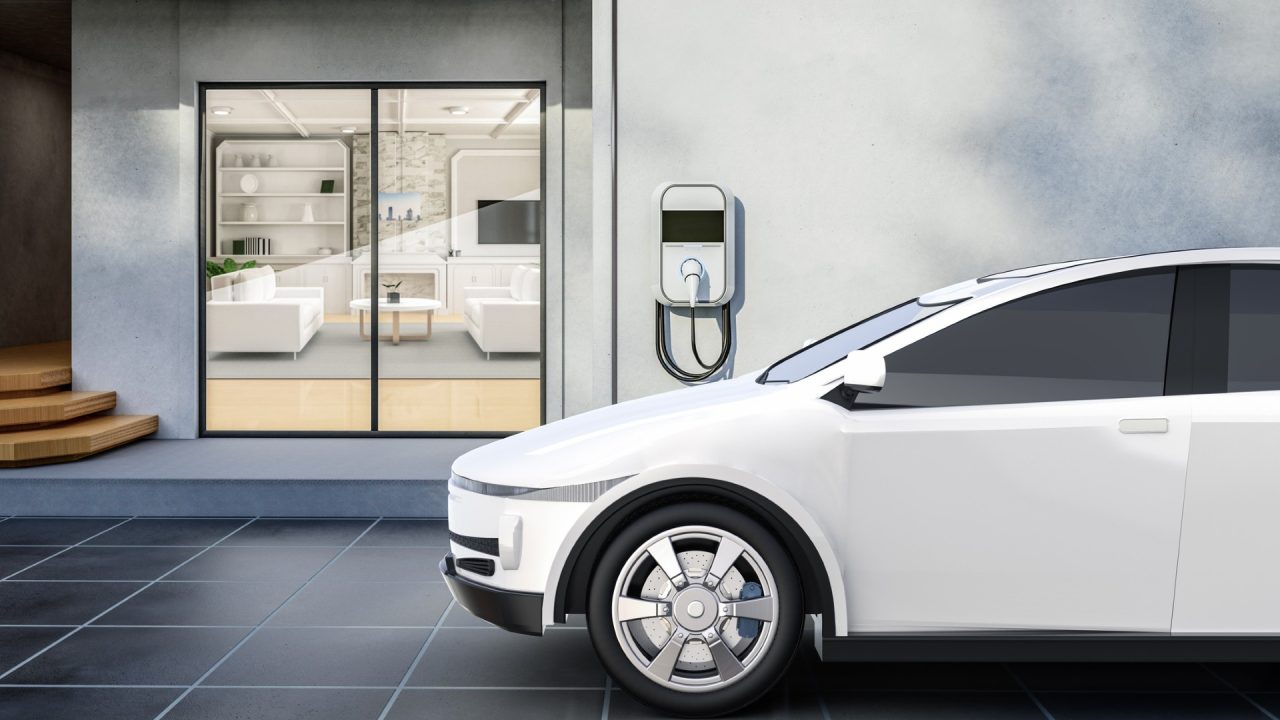
The landscape of retail is rapidly evolving with the integration of electric vehicle (EV) charging stations, serving as a beacon for the environmentally conscious consumer. As more people choose EVs for their environmental benefits and cost savings, retail locations are uniquely positioned to benefit from this shift. By offering charging stations, shopping centers and retail parks not only cater to a growing market but also encourage longer visits, which can lead to increased sales.
Introducing EV charging facilities is a strategic response to the changing dynamics of consumer behavior. Retailers adopting this technology are seen as forward-thinking, aligning with the values of sustainability and innovation that are increasingly important to today’s shoppers. This alignment not only attracts a broader customer base but also fosters a positive image in the community, enhancing the retailer’s brand loyalty and consumer appeal.
The implementation of EV charging stations significantly increases the time shoppers spend in-store. While their vehicle charges, customers are more likely to explore additional stores, dine at restaurants, or attend events hosted on-site. This extended dwell time is directly linked to increased consumer spending, making EV charging stations a compelling investment for retail businesses aiming to boost their economic performance.
Technological Advancements Enhancing Customer Experience
The technology behind EV charging has advanced considerably, offering retail locations the opportunity to provide fast, efficient, and convenient services. Modern chargers have reduced the time required to charge significantly, allowing shoppers to gain substantial mileage in short shopping durations. Retailers can choose from a variety of chargers, including Level 2 and DC fast chargers, depending on their specific customer needs and parking configurations.
Today’s EV charging stations are more than mere utility fixtures; they are sophisticated, interactive platforms that enhance the user experience. Equipped with smart technology, these chargers can adjust the power output based on the peak and off-peak hours, which optimizes energy consumption and reduces costs. Additionally, they can provide valuable data analytics that retailers can use to track usage patterns, peak times, and customer preferences, enabling them to tailor services more effectively.
These technological enhancements are not limited to functionality. Many modern charging stations feature user-friendly interfaces that can display not just charging information but also promotional content. Retailers can leverage this capability to advertise in-store specials, upcoming events, or loyalty programs directly at the point of charging, capturing the attention of a captive audience and potentially increasing sales.
Strategic Placement for Optimal Access and Visibility
The placement of EV charging stations is critical in maximizing their usage and the resulting increase in dwell time. Locating chargers in visible areas near main entrances can attract more EV drivers, but situating them slightly further away from prime retail spaces can encourage deeper exploration of the facility. This strategic placement helps increase foot traffic throughout more areas of the shopping center, benefiting a wider array of tenants.
Careful consideration of the customer journey can significantly enhance the effectiveness of EV charging as a service. Retailers must ensure that the path from the charging station to the main shopping areas is pleasant and engaging, possibly featuring art installations, pop-up shops, or informational displays about sustainability initiatives. Such enhancements not only improve the overall shopping experience but also reinforce the retailer’s commitment to customer service and environmental responsibility.
Accessibility and convenience are also paramount in the design of the charging station area. Clear signage, easy navigation, and ADA-compliant access are essential in providing a positive experience for all users. Well-lit areas, security cameras, and regular maintenance also play crucial roles in ensuring that these facilities are safe and welcoming for everyone, further encouraging their use and supporting longer dwell times.
A Seamless Integration for Retail EV Charging
Building on the momentum of integrating EV charging stations, retailers are continually looking for solutions that not only enhance the functionality of these services but also integrate seamlessly with their existing operations. As consumer expectations evolve, the demand for more sophisticated, reliable, and user-friendly charging options becomes a priority. Retailers must therefore align themselves with partners who can deliver not only the hardware but also a robust support system that enhances the overall customer experience.
Within this landscape, ChargeTronix stands out by offering advanced charging solutions that are tailored to meet the dynamic needs of retail environments. ChargeTronix chargers are known for their robustness and efficiency, equipped with features such as distributed power systems which allow multiple dispensers to operate simultaneously without a hitch. This capability is crucial during peak shopping times when the availability of charging stations directly impacts customer satisfaction and turnover rates. Moreover, ChargeTronix systems include integrated payment options, which streamline the user experience, making them ideal for the fast-paced retail setting.
Marketing Strategies to Promote Charging Facilities
Effective marketing is essential in communicating the availability of EV charging stations to potential customers. Retail locations should leverage both digital and traditional marketing channels to raise awareness about their EV charging capabilities. Social media, online ads, and email newsletters are excellent tools for reaching out to tech-savvy consumers, while on-site signage and partnerships with local businesses can capture the attention of regular shoppers and passersby.
Loyalty programs can be strategically linked to the use of charging stations, offering points or discounts for using the facility. This approach not only encourages repeat visits but also builds a community of engaged customers who feel valued for their environmental choices. Collaborations with EV manufacturers or charging network apps can also increase visibility and draw in a dedicated audience looking for convenient charging options.
Retailers can host themed events, such as sustainability workshops or green technology expos, to highlight their commitment to environmental issues, drawing in a crowd interested in eco-friendly lifestyles. These events can serve as a platform to showcase the charging facilities and educate the public on the benefits of EVs, thereby promoting both the retail location and its commitment to sustainability.
Economic Benefits and Return on Investment
The economic implications of installing EV charging stations are significant, with both direct and indirect benefits. Directly, retailers can choose to charge a fee for the use of their stations, which can become a steady revenue stream over time. Indirectly, the presence of charging stations can lead to longer visits and more frequent stops, which naturally increases consumer spending within the retail location.
Government incentives, such as tax credits or rebates, can offset the initial costs of installing EV charging stations, making the investment more attractive. The increased foot traffic and extended dwell times translate into higher sales per customer, providing a solid return on investment that justifies the initial expenditure. As the adoption of electric vehicles continues to rise, the demand for accessible charging stations will only grow, further enhancing the value of this investment.
Retailers who implement EV charging are not only improving their infrastructure but are also investing in a sustainable future. As consumer preferences lean increasingly towards environmentally friendly products and services, having EV charging options available positions a retailer at the forefront of this trend, enhancing its competitive edge in a crowded market.
The Future of EV Charging in Retail: Trends to Watch
As technology advances, the role of EV charging stations in retail environments will continue to evolve. Anticipating future trends and remaining adaptable to the changing landscape is crucial for retailers looking to maintain and grow their customer base. Innovations such as faster charging technologies, integration with renewable energy sources, and even wireless charging could dramatically alter the way these services are provided.
The potential for autonomous vehicles to interact with charging stations is another exciting development on the horizon. This technology could lead to more efficient use of parking space and charging resources, further enhancing customer convenience and reducing wait times. Additionally, the growing emphasis on sustainability might lead more retailers to invest in green energy solutions, powering their charging stations with solar or wind energy, which would reinforce their commitment to environmental stewardship.
Retail locations that continue to innovate and adapt in their EV charging offerings will not only meet the immediate needs of their customers but also set themselves up for long-term success. By staying ahead of technological trends and consumer expectations, retailers can ensure that they remain relevant and attractive in an increasingly competitive and environmentally conscious market.
Buy Me A Coffee
The Havok Journal seeks to serve as a voice of the Veteran and First Responder communities through a focus on current affairs and articles of interest to the public in general, and the veteran community in particular. We strive to offer timely, current, and informative content, with the occasional piece focused on entertainment. We are continually expanding and striving to improve the readers’ experience.
© 2026 The Havok Journal
The Havok Journal welcomes re-posting of our original content as long as it is done in compliance with our Terms of Use.


