Managing a group of vehicles involves many moving parts. Keeping everything running smoothly helps your business stay on track and keeps costs under control. It is a balancing act that requires attention to detail and steady oversight every day.
Finding ways to simplify these tasks makes the whole operation more reliable. A few smart changes can turn a chaotic schedule into a well-managed process. It allows you to focus on growing your business rather than just fixing problems.
Adopting Modern Software Solutions
Many companies are shifting toward digital tools to handle their daily logs and maintenance schedules. These platforms help keep all your records in one spot so you can find them easily.
Using a centralized system reduces the risk of losing paperwork during a busy shift. Managers find that a data-driven approach to fleet efficiency allows them to spot trends before they become problems. This shift helps teams stay ahead of rising fuel costs and repair needs. It gives the office staff a clear view of how every vehicle performs daily.
Modern systems offer a way to track every asset without filling out stacks of paper. It saves time for drivers and office staff. Moving away from manual entry helps everyone focus on more important tasks throughout the day.
Utilizing Real-Time Asset Tracking
Knowing where every truck is located helps dispatchers make better choices. It cuts down on idle time and keeps customers happy with accurate arrival times. You can see which driver is closest to a new job site in seconds.
One industry report mentions that the software market for these tools will reach $38.28 billion by 2026. This growth shows how much value businesses find in digital tracking. More companies are investing in these tools to stay competitive in a crowded market.
A blog post from a logistics tech firm points out that AI planning and automation offer constant visibility into vehicle locations. This technology tracks route adherence and helps identify gaps in the execution of daily plans. It makes the entire delivery process much more transparent for the manager.
Improving Maintenance With Prediction
Waiting for a truck to break down is an expensive way to run a business. Scheduled checks prevent small issues from turning into major engine failures. A proactive mindset keeps the shop busy with minor fixes instead of major overhauls.
Data from a fleet trend report shows that using predictive alerts led to a 30% drop in safety failures. These alerts warn the team about engine heat or tire wear before a driver gets stuck on the side of the road. It helps prevent accidents and keeps the drivers safe during their long shifts.
A fuel card provider explains that these predictive programs lower repair bills and keep vehicles on the road longer. Real-world fleets report big reductions in unscheduled downtime when they use these systems. Lowering these costs helps the business maintain a healthy profit margin.
Making Decisions With Better Data
Gut feelings are not enough when you are managing millions in assets. Hard facts provide a clearer picture of what is actually happening on the road. You can see which trucks are underperforming and which routes cost the most fuel.
A recent analysis found that 83% of managers believe analytics are the main part of improving operations. Data tells the story of your business in a way that simple observation cannot match. It helps you see where you are succeeding and where you need to improve.
- Detailed fuel logs
- Driver performance scores
- Route completion times
An advice column suggested that making choices based on data instead of intuition will be the standard by 2026. Relying on facts helps managers stay ahead of the curve in a fast-paced industry. It removes the guesswork and leads to more consistent results for the whole team.
Maximizing Efficiency Through Routing
Driving unnecessary miles wastes fuel and puts wear on tires. Intelligent routing finds the shortest paths and avoids heavy traffic areas. It helps drivers navigate around construction or accidents that could cause long delays.
A fleet inspection site mentions that AI can now detect driver fatigue and optimize routes as they happen. This tech helps keep drivers safe and makes sure they are taking the most efficient paths possible. It acts as a second set of eyes for the person behind the wheel.
Correcting these paths reduces the time drivers spend sitting in traffic. It helps meet delivery windows more consistently. Faster deliveries lead to happier customers and more repeat business for your team.
Controlling Costs And Visibility
Every dollar saved on fuel or repairs goes straight to the bottom line. Tracking small expenses helps identify where the budget is leaking. You can compare different brands of tires or types of fuel to see what works best.
One news update shared how a transport company cut its costs by 10% simply by improving visibility. They used software to see where they were wasting resources and made quick adjustments. This change allowed them to reallocate funds to other parts of the business.
Research on the industry notes that software now accounts for 49% of the total market share for management tools. This trend proves that digital oversight is becoming the standard for every modern fleet. Most managers now see these tools as a requirement for staying in business.
Reducing Vehicle Downtime
A truck that is not moving is a truck that is not making money. Reducing the time spent in the shop is a top priority for any manager. Consistent upkeep makes sure that every vehicle is ready to go when the shift starts.
- Check tire pressure weekly
- Monitor engine codes daily
- Update software regularly
A platform that analyzes millions of vehicles found that using data insights can lower downtime by up to 40%. These tools deliver actionable advice that helps the repair crew work faster and smarter. Reducing the time spent on repairs means your fleet can handle more deliveries every week.
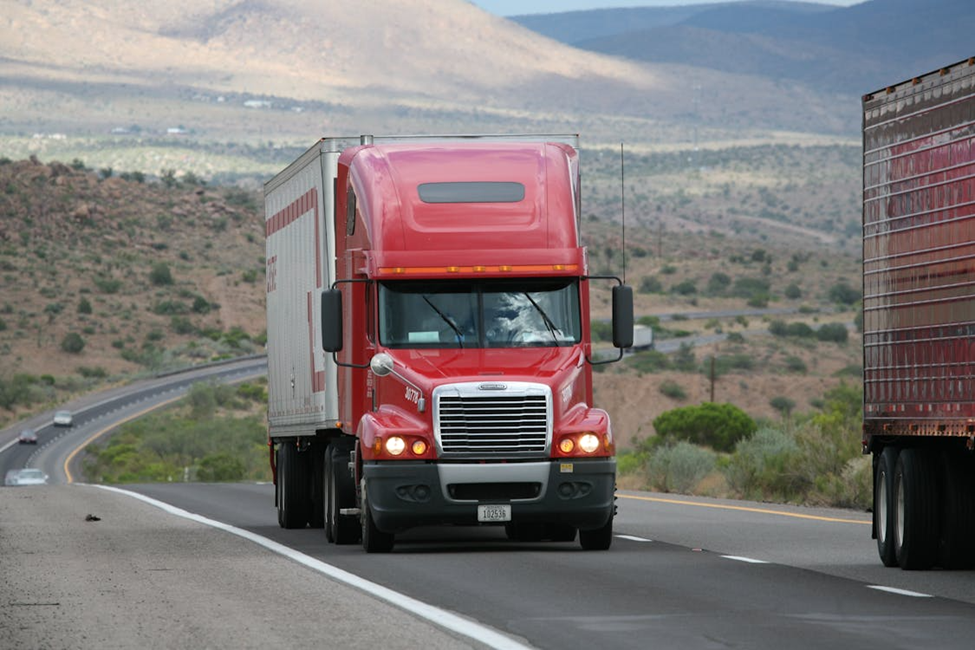
Streamlining these processes takes effort but pays off in the long run. Better tools and smarter habits lead to a more profitable operation. You will see the results in your budget and in the satisfaction of your customers.
Small changes today will make your fleet much stronger for the years ahead. Staying focused on efficiency keeps your business moving forward. It is the best way to stay competitive and keep your vehicles on the road.
Buy Me A Coffee
The Havok Journal seeks to serve as a voice of the Veteran and First Responder communities through a focus on current affairs and articles of interest to the public in general, and the veteran community in particular. We strive to offer timely, current, and informative content, with the occasional piece focused on entertainment. We are continually expanding and striving to improve the readers’ experience.
© 2026 The Havok Journal
The Havok Journal welcomes re-posting of our original content as long as it is done in compliance with our Terms of Use.