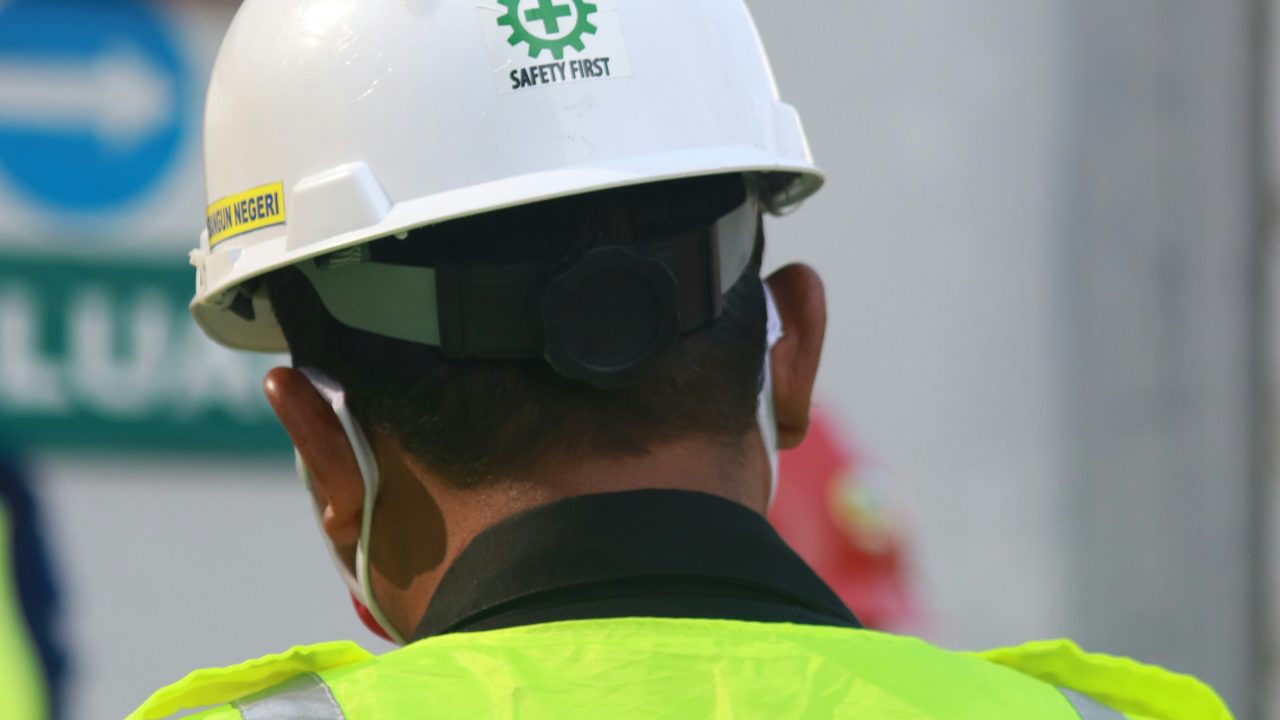
Photo by Mufid Majnun on Unsplash
Maintaining health and safety standards is more important than ever. Organizations must ensure not only the quality of their products but also the safety and well-being of their employees. A safe workplace helps employees feel more productive and loyal, and reduces the chances of work-related accidents. It’s essential to view health and safety as a key part of business operations, not just a requirement.
Health and safety standards go beyond legal requirements; they show a company’s dedication to its workforce. When employees feel safe, they engage more, which leads to better performance. To ensure your organization meets health and safety standards, let’s explore effective ways to maintain them.
Creating a Health and Safety Culture
Building a culture that prioritizes health and safety takes time. It starts with open communication between management and employees. Encourage staff to share their thoughts about potential hazards or safety issues. This communication helps identify problems and makes employees feel valued because they are part of the solution. Involving everyone creates a sense of responsibility for safety.
Regular meetings focused on safety can strengthen this culture. Use these meetings to discuss procedures, share experiences, and review any incidents. This promotes transparency and a commitment to improvement. When everyone shares responsibility for health and safety, it encourages a more alert and conscientious workforce.
Health and Safety Certification
Health and safety certification is vital for a strong workplace safety strategy. Obtaining certification ensures you meet legal and industry standards and acts as proof of quality and trustworthiness. Achieving certification often requires reviewing current health and safety practices, which helps businesses identify areas for improvement.
Certification means having a structured approach to managing risks and improving safety. A certified business is seen as a leader in health and safety, enhancing its reputation and building trust with clients, stakeholders, and employees. This trust leads to a positive work culture where everyone feels secure and confident.
Professional Safety Training
Investing in professional safety training can greatly improve your health and safety efforts. Proper training equips employees with the skills and knowledge to identify hazards, respond to emergencies, and follow safety procedures effectively. This goes beyond just meeting requirements. It empowers your staff and helps them understand their role in keeping the workplace safe.
Ongoing training is important because it keeps safety skills current. Regular workshops or refresher courses help employees stay informed about the latest safety regulations and best practices. These sessions can also use real-world examples to give team members practical insights, making for a more prepared workforce.
Risk Assessment Processes
Conducting clear risk assessments is key to maintaining health and safety at work. This process involves identifying potential hazards and evaluating the risks they pose. Involving employees in this assessment helps identify these risks and reinforces the importance of safety in their daily tasks.
Once risks are identified, businesses should implement effective control measures. This could include changing workflows, buying protective equipment, or improving communication. Documenting risk assessments provides a clear record of findings and actions taken, which shows compliance during inspections and audits.
Regular Audits and Reviews
Regular audits and reviews of health and safety practices are also essential. These audits help organizations assess how well their current systems work and identify areas for improvement. It’s a chance to reflect on what’s working and find new ways to keep safety protocols up to date and effective.
Using audit results to create action plans is important. These plans should not only fix problems but also celebrate achievements in workplace safety. Positive reinforcement encourages more commitment to health and safety across the organization.
Engaging Employees in Safety Practices
Getting employees involved in safety management is crucial. When employees are part of safety initiatives, they are more likely to follow health protocols. Consider establishing safety committees composed of members from different areas of the organization. This diverse group can offer different views and create a more tailored approach to safety.
Using gamification techniques, like contests or challenges related to safety practices, can boost engagement. These activities make safety more exciting and encourage staff members to participate actively. To maintain health and safety standards, organizations should adopt a proactive, inclusive approach. By creating a safety-focused culture, pursuing health and safety certifications, investing in training, and engaging employees, businesses can build a safe environment that meets legal standards and promotes well-being. A committed and informed workforce is your best asset for achieving lasting health and safety practices.
Buy Me A Coffee
The Havok Journal seeks to serve as a voice of the Veteran and First Responder communities through a focus on current affairs and articles of interest to the public in general, and the veteran community in particular. We strive to offer timely, current, and informative content, with the occasional piece focused on entertainment. We are continually expanding and striving to improve the readers’ experience.
© 2026 The Havok Journal
The Havok Journal welcomes re-posting of our original content as long as it is done in compliance with our Terms of Use.


