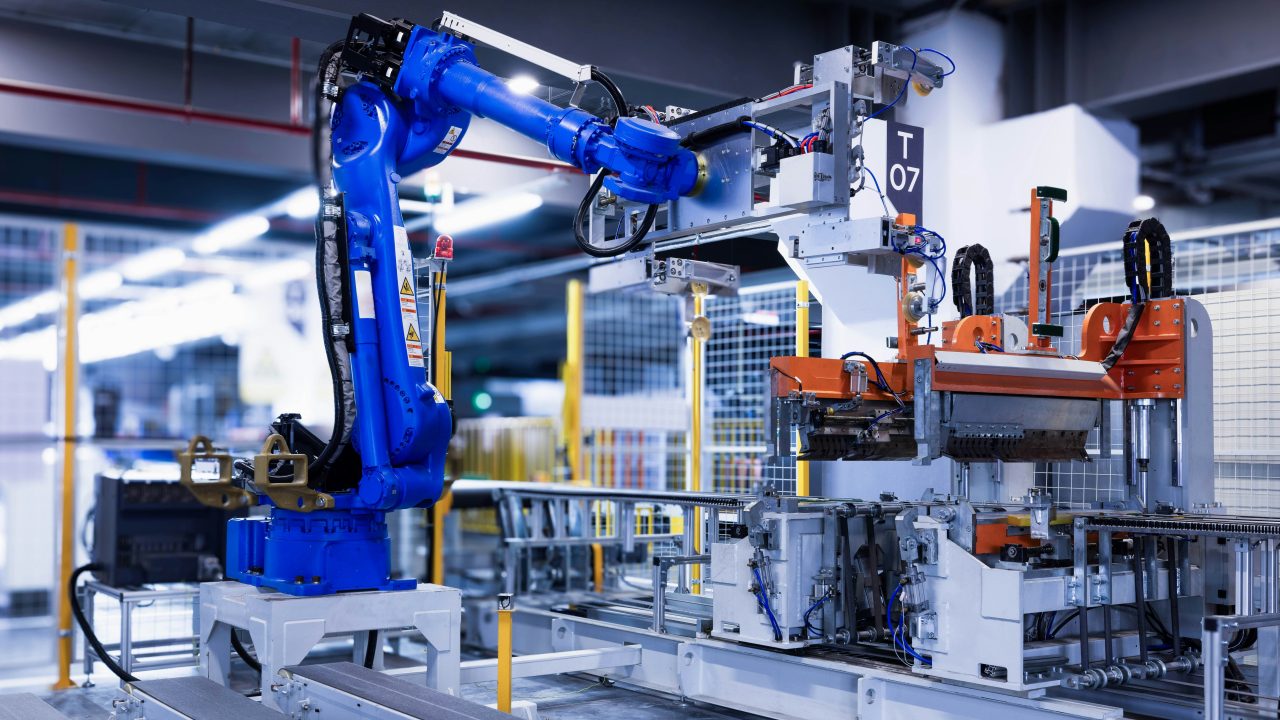
Photo by Homa Appliances on Unsplash
Forklifts, pallet jacks, sweepers, and dock units absorb constant strain in active facilities. Each shift wears brakes, filters, belts, bearings, and electrical components. Minor defects can slow shipping, increase labor expense, and raise safety risk near racks or trailers. Many operations track staffing, fuel, and scheduling closely, yet part sourcing deserves similar attention. Original equipment manufacturer parts help preserve reliability, support planned service intervals, and keep repairs closer to factory performance.
Fit Matters
Maintenance teams often weigh aftermarket stock against material handling equipment parts from original makers after a truck drops out of service. Correct fit affects seal pressure, bolt tension, alignment, and sensor timing during daily use. A similar shape does not confirm equal metal grade, tolerance, or response under load. Parts built for the machine can limit guesswork during installation and reduce follow-up adjustments.
Downtime Adds Up
One disabled truck can disrupt loading, picking, and replenishment within minutes. Supervisors may then reassign labor, reroute aisle traffic, or delay outbound work to keep orders moving. Those changes create costs that never appear on a single repair invoice. OEM sourcing helps lower the risk of poor fit or short service life. Better uptime protects throughput and keeps crews focused on scheduled tasks instead of recovery work.
Built To Factory Specs
Original parts are made for a specific model, duty cycle, and service standard. That match supports expected clearances, pressure levels, and electrical behavior during normal operation. Some aftermarket options perform acceptably, yet quality can vary across suppliers and production runs. Consistent specifications give technicians a clearer repair path. Clearer guidance can shorten diagnosis time and reduce repeat visits for the same fault.
Safety Stays Central
Material handling machines operate near people, shelving, trailers, and narrow aisles. Brake feel, steering response, mast control, and warning systems need to function as intended every shift. A component that wears early or seats loosely can affect more than output. OEM parts help preserve the original safety profile of the unit. That matters most in fleets handling heavy loads during long hours with tight maintenance windows.
Warranty Questions
Many fleets still have a dealer plan, lease contract, or factory warranty. In those situations, part choice can affect claim approval and service responsibility after a failure. OEM use creates a cleaner record because the replacement matches listed requirements. Service documentation also becomes easier to review during inspections or audits. Clear records support sound planning and help managers defend maintenance decisions without prolonged debate.
Inventory Control
Storerooms usually carry fast-moving items for planned service and urgent repairs. OEM part numbers simplify that process because buyers can match stock to exact truck models. By reducing ordering mistakes and helping staff avoid duplicate listings under separate labels, cleaner catalogs provide significant benefits. Better inventory accuracy limits waste and shortens search time at the counter. That discipline matters when one missing switch or seal can idle a machine.
Total Cost Counts
The lowest purchase price rarely reflects the full repair burden. Labor, freight, missed shipments, overtime, and extra diagnostic time can exceed any savings tied to a cheaper substitute. OEM parts often cost more at the start, yet they may lower total expense across the equipment life cycle. Longer service life also supports steadier budgeting. Finance teams value predictable spending because it reduces costly surprises during peak periods.
Supplier Relationships Help
Reliable sourcing depends on more than a catalog entry. Strong suppliers can verify serial numbers, confirm compatibility, and locate elusive-to-find items before delays spread across the floor. That support helps prevent wrong orders from reaching the dock. Experienced partners also recognize usage patterns across warehouses, plants, and distribution centers. Their input helps buyers plan seasonal stock levels and respond faster when sudden failures interrupt key equipment.
Conclusion
Keeping equipment running takes more than quick fixes or the lowest invoice total. Facilities need parts that fit correctly, perform as expected, and support safe operation under daily strain. OEM sourcing helps maintenance teams limit downtime, protect warranties, manage inventory, and plan spending with greater confidence. For organizations that rely on steady product movement, that approach can simplify repair work and keep fleet performance dependable over time.
Buy Me A Coffee
The Havok Journal seeks to serve as a voice of the Veteran and First Responder communities through a focus on current affairs and articles of interest to the public in general, and the veteran community in particular. We strive to offer timely, current, and informative content, with the occasional piece focused on entertainment. We are continually expanding and striving to improve the readers’ experience.
© 2026 The Havok Journal
The Havok Journal welcomes re-posting of our original content as long as it is done in compliance with our Terms of Use.


