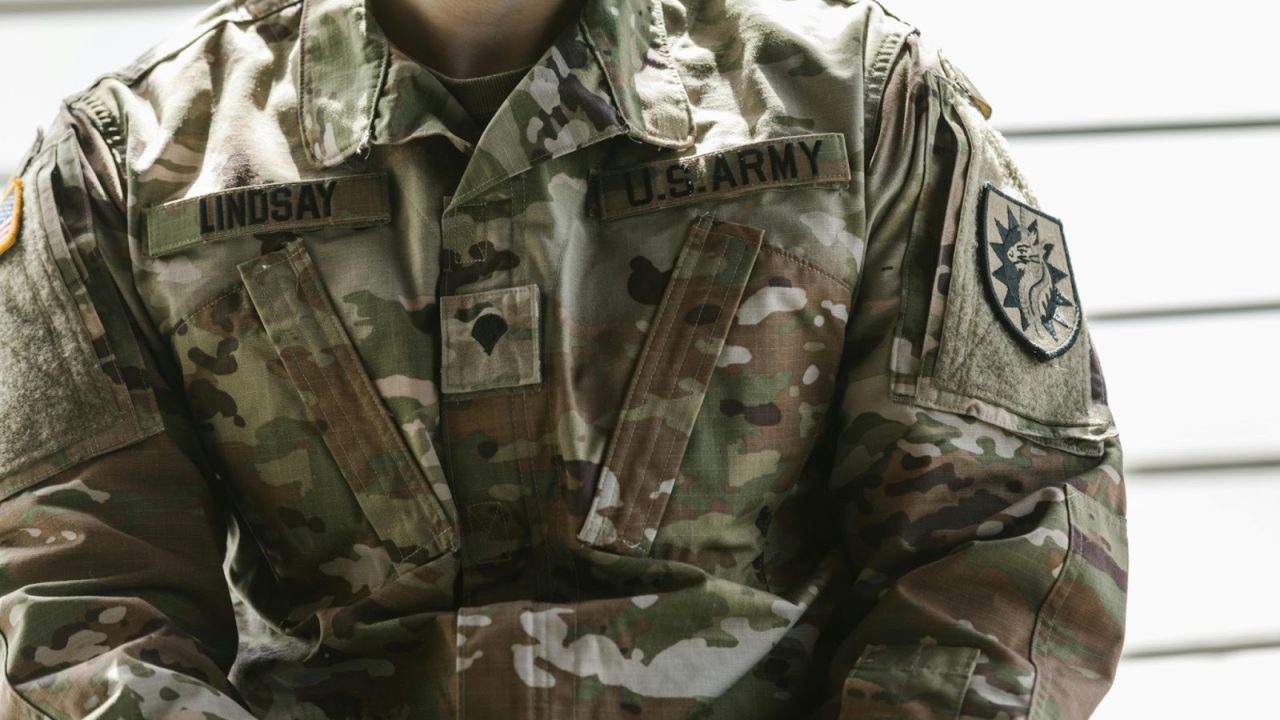
The idea of veterans moving into corporate roles often gets framed as a challenge problem. Can they adapt? Can they translate experience? Can they fit in? That framing misses the point entirely. The real question is how organizations and veterans meet in the middle without flattening what makes either side effective.
Military service builds professionals who operate under pressure, absorb responsibility early, and make decisions when information is incomplete. Corporate environments value many of the same outcomes but often communicate them in a very different language. The gap is not about capability. It is about interpretation, expectation, and alignment.
Veterans do not arrive as blank slates. They arrive with deeply developed operating systems. The transition succeeds when those systems are understood, not erased.
Leadership That Has Already Been Stress Tested
Leadership in the military is not a title upgrade. It is a daily practice with immediate consequences. Veterans are accustomed to leading peers, managing risk, and owning outcomes long before most corporate professionals face comparable stakes. This is not theoretical leadership learned in workshops. It is situational, adaptive, and enforced by reality.
In corporate settings, leadership often unfolds through influence rather than command. That shift can feel unfamiliar at first for all parties involved. Yet veterans tend to adjust faster than expected because they already understand accountability. They know how to motivate people who did not choose their leader. They know how to maintain standards without constant oversight.
What changes is the medium, not the mindset. Once veterans understand that authority flows through trust and alignment rather than rank, their leadership skills often scale rapidly.
Translating Experience Without Diluting It
One of the biggest hurdles is language. Military roles come with titles and acronyms that do not map cleanly to corporate job descriptions. A logistics officer may not see themselves as a supply chain strategist. A platoon leader may undersell years of operational management.
The danger is oversimplification. When veterans are coached to strip away detail until their experience sounds generic, they lose the very depth that differentiates them. The goal is not to civilianize experience. The goal is to contextualize it.
Smart organizations and recruiters who specialize in global executive search are increasingly aware of this. They look beyond surface terminology and focus on scale, complexity, and impact. Veterans who learn to describe outcomes rather than functions tend to stand out quickly.
Culture Shock Works Both Ways
Corporate culture can feel ambiguous to someone used to clear chains of responsibility. Meetings without decisions. Feedback delivered indirectly. Competing priorities that are never formally resolved. These can frustrate veterans early on.
At the same time, teams often misread veterans. Direct communication can be mistaken for rigidity. Confidence can be misinterpreted as inflexibility. Neither assessment is accurate, but perception matters.
The adjustment period improves when both sides stop assuming intent. Veterans who ask how decisions are actually made gain credibility fast. Teams that ask veterans how they assess risk or plan execution often discover better processes hiding in plain sight.
Culture alignment is not about softening edges. It is about learning where structure helps and where it gets in the way.
Skills That Matter More Than Job Titles
Corporate hiring still leans heavily on linear career progression. Veterans often break that pattern. They rotate roles, manage diverse functions, and take on responsibility that would normally require years of tenure.
This non-linear path is a strength, not a liability. Veterans are used to learning quickly, applying knowledge under time pressure, and moving forward without perfect information. These are not entry-level traits. They are leadership accelerators.
Roles in operations, risk management, compliance, program leadership, and strategy often align naturally with military experience. The fit improves further when companies focus on capabilities rather than credentials.
Via Pexels
The Myth Of Rigidity
There is a persistent stereotype that veterans struggle with flexibility. The reality is almost the opposite. Military environments change constantly. Plans adapt hourly. Conditions shift without warning.
What veterans often expect is clarity, not rigidity. This is where things get mixed up. They want to know what success looks like and who owns what. When that clarity exists, they innovate aggressively. When it does not, frustration grows.
Corporate leaders who provide clear objectives while allowing autonomy tend to see veterans outperform expectations. Structure does not limit them. It frees them.
What Veterans Need To Unlearn And Why That Is Not A Weakness
Some habits that serve well in uniform might need adjustment. Waiting for direction rather than influencing upward. Assuming silence means agreement. Prioritizing mission over personal sustainability.
Unlearning these patterns takes time. It is not failure. It is just recalibration.
Veterans who thrive long term in corporate roles learn to advocate for themselves, to surface concerns earlier, and to recognize that burnout is not a badge of honor. Organizations that support this transition retain stronger leaders for longer periods.
The most successful veterans are not those who abandon their past. They are the ones who continue to grow and adapt after their service ends.
Corporate America Is Quietly Catching On
Many companies are moving beyond symbolic veteran hiring initiatives. They are recognizing measurable returns. Lower turnover. Stronger execution. Leaders who perform under pressure without theatrics.
This shift is slow but real. Veterans are increasingly visible in senior operational roles, not because of charity, but because of earned performance and merit. Boards and executives are starting to value leaders who have already managed consequences at scale.
The transition pipeline is still imperfect. Bias exists on both sides. But momentum is building in a way that feels durable.
So Can Veterans Transition To Corporate
Yes, and many already have. The better question is whether corporate environments are prepared to fully leverage what veterans bring.
When veterans are seen as assets rather than adjustments, the boardroom benefits. When organizations invest in translation rather than transformation, outcomes improve. This is not about fitting into a mold. It is about expanding what leadership looks like.
The battlefield and the boardroom operate under different pressures, but both demand clarity, accountability, and resilience. Veterans already understand that. The rest is just learning the dialect.
Buy Me A Coffee
The Havok Journal seeks to serve as a voice of the Veteran and First Responder communities through a focus on current affairs and articles of interest to the public in general, and the veteran community in particular. We strive to offer timely, current, and informative content, with the occasional piece focused on entertainment. We are continually expanding and striving to improve the readers’ experience.
© 2026 The Havok Journal
The Havok Journal welcomes re-posting of our original content as long as it is done in compliance with our Terms of Use.


