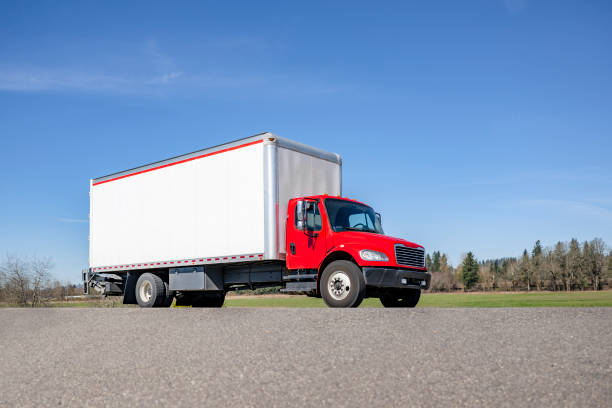
In Georgia, not every box truck driver needs a commercial driver’s license (CDL). CDL requirements depend on factors such as the vehicle’s Gross Vehicle Weight Rating (GVWR), how the truck is being used, and whether it falls under state or federal commercial vehicle rules. Understanding these licensing requirements helps Georgia drivers operate box trucks legally and avoid potential compliance issues.
Many drivers are unsure whether they need a CDL for a box truck because requirements vary depending on the size and purpose of the vehicle. A smaller box truck used for lighter commercial purposes may only require a standard driver’s license, while larger vehicles may require additional licensing.
Georgia drivers who operate box trucks for business, deliveries, or transportation should understand the licensing requirements that apply to their specific vehicle. Knowing the rules before getting behind the wheel can help prevent penalties and ensure compliance with transportation regulations.
When Does a Box Truck Require a CDL in Georgia?
In Georgia, CDL requirements are generally based on the vehicle’s weight classification and intended use. A CDL is typically required when a commercial vehicle has a Gross Vehicle Weight Rating (GVWR) of 26,001 pounds or more or when it is part of a combination vehicle that meets certain weight requirements. These licensing requirements are governed under O.C.G.A. §40-5-142, which establishes Georgia’s commercial driver’s license provisions.
For example, larger box trucks commonly used for freight transportation, moving services, or heavy deliveries may fall under CDL requirements. However, smaller box trucks used for local deliveries may not require a CDL if they remain below the applicable weight limits.
The Georgia Department of Driver Services (DDS) provides official information about commercial driver licensing requirements, classifications, and regulations for drivers operating commercial vehicles in the state.
Understanding CDL Classes for Box Trucks
When a CDL is required, the correct license class depends on the type of vehicle being operated. A Class A CDL generally applies to combination vehicles, such as a truck and trailer combination, when they meet specific weight requirements.
A Class B CDL is commonly associated with single vehicles weighing 26,001 pounds or more, which may include larger box trucks, delivery trucks, and similar commercial vehicles. Class C CDLs apply to certain smaller commercial vehicles that transport passengers or hazardous materials under specific conditions.
Choosing the correct CDL classification ensures drivers are properly licensed for the vehicle they operate.
When a Box Truck May Not Require a CDL
Many smaller box trucks do not require a CDL because they fall below federal and state weight thresholds. Rental box trucks, local delivery vehicles, and smaller commercial trucks may often be operated with a standard driver’s license if they do not meet CDL requirements.
However, drivers should not rely only on the vehicle’s appearance or size when determining licensing needs. The vehicle’s GVWR, actual weight, cargo type, and intended use all play a role in determining whether additional licensing is required.
Checking the vehicle specifications before operating it is one of the best ways to avoid accidentally driving without the proper credentials.
Other Requirements Georgia Box Truck Drivers Should Know
Licensing is only one part of operating a box truck legally. Depending on the vehicle and type of work involved, drivers may also need to meet requirements related to registration, insurance, vehicle inspections, and employer policies.
Commercial drivers who require a CDL may also need to meet federal requirements, including medical certification and other safety obligations. The Federal Motor Carrier Safety Administration (FMCSA) establishes nationwide commercial vehicle safety standards that apply to many trucking operations. Many of these requirements are contained in 49 CFR Part 383, which outlines the federal standards for commercial driver’s licensing, qualifications, and safe operation of commercial motor vehicles.
Understanding both state and federal requirements helps drivers remain compliant while working in commercial transportation.
Why Proper Licensing Matters for Box Truck Drivers
Driving a box truck without the correct license can lead to fines, penalties, and potential problems for both drivers and businesses. Proper licensing confirms that drivers understand the responsibilities involved in operating larger commercial vehicles and helps promote safer transportation practices.
For business owners, ensuring that drivers have the correct credentials can also reduce compliance risks and support smoother daily operations.
Key Takeaways
- Not every box truck requires a CDL in Georgia.
- CDL requirements depend on factors such as vehicle weight, classification, and intended use.
- Larger box trucks may require a Class A or Class B CDL.
- Smaller box trucks may often be operated with a standard driver’s license if they remain below CDL thresholds.
- Checking Georgia and federal requirements helps drivers operate legally and avoid unnecessary penalties.
Buy Me A Coffee
The Havok Journal seeks to serve as a voice of the Veteran and First Responder communities through a focus on current affairs and articles of interest to the public in general, and the veteran community in particular. We strive to offer timely, current, and informative content, with the occasional piece focused on entertainment. We are continually expanding and striving to improve the readers’ experience.
© 2026 The Havok Journal
The Havok Journal welcomes re-posting of our original content as long as it is done in compliance with our Terms of Use.


