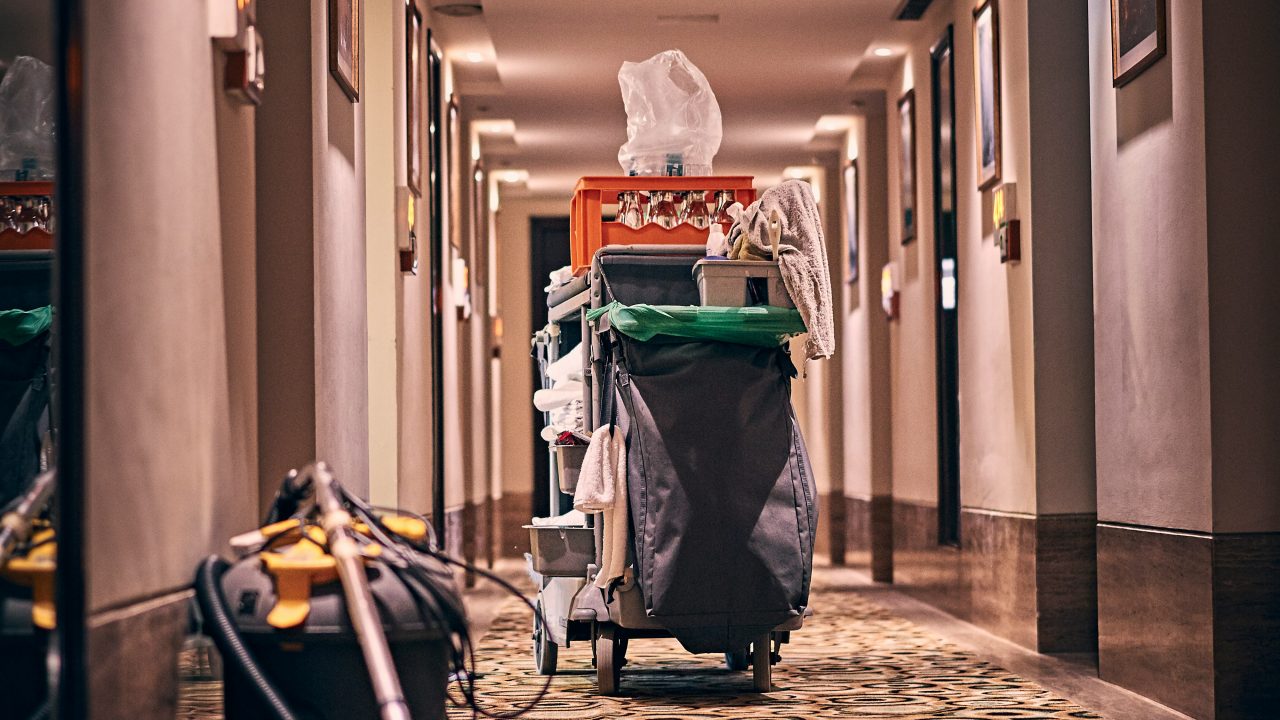
Photo by Ashwini Chaudhary(Monty) on Unsplash
Hotel worker safety budgets extend well beyond cameras, locks, and front-desk radios. Properties now price wearable alerts, indoor location tools, response workflows, staff instruction, service plans, and incident records. The right estimate starts with the building, not a brochure. Room count, service areas, stairwells, staffing patterns, and local rules all shape cost. Owners get clearer numbers by separating setup expenses from recurring service.
Core Cost Factors
A hotel staff safety system may include wearable panic buttons, indoor maps, alert routing, device checks, response records, and supervisor notifications. Costs shift with floor plans, signal reach, employee headcount, and required connections. A compact roadside property usually needs less mapping and testing than a resort with towers, kitchens, parking decks, and remote service zones.
Hardware Costs
Wearable panic buttons are usually the first visible line item. Fixed buttons, beacons, charging stations, backup batteries, and signal equipment can follow. A small property may need several dozen devices. A large resort may need hundreds across guest floors and service areas. Expenses rise when alerts must work inside stairwells, laundry rooms, basements, kitchens, offices, and parking structures.
Software Fees
Most systems carry a recurring software charge. That fee may cover alert delivery, user permissions, floor maps, reporting, device status, and administrative controls. Vendors may bill by room, device, user, or property. Buyers should confirm whether updates, hosting, support, and record storage are included. Clear renewal terms prevent avoidable budget strain after the first year.
Installation Costs
Installation depends on building age and signal quality. Newer hotels with strong wireless coverage may need limited labor. Older properties often require surveys, repeaters, cabling, or network adjustments. Multi-floor sites should test guest rooms, elevators, loading docks, housekeeping closets, and back offices. Real-location testing matters because delayed alerts can weaken the response plan.
Compliance Planning
Worker safety rules vary by city and state. Some requirements include panic buttons, written response procedures, staff notices, training records, or emergency contact options. Compliance spending may involve legal review, policy updates, signage, and audit preparation. Systems that store incident history can reduce manual logs. Local requirements should guide feature selection before contracts are approved.
Training Costs
Training may look minor on paper, yet it affects outcomes. Employees need to practice triggering alerts, canceling mistakes, reporting threats, and following response steps. Managers need separate instructions for dispatch review, roll call, escalation, and incident notes. Budgets should include paid time for new hires, overnight teams, housekeeping, maintenance, security, supervisors, and refresher sessions.
Maintenance Costs
Safety devices require steady attention after launch. Batteries weaken, buttons disappear, settings change, and floor plans need updates. Annual plans should include replacements, battery checks, firmware updates, support hours, and scheduled alert tests. A dashboard can reduce manual inspection time by providing device health information. Still, one owner should review status reports each week.
Integration Costs
Hotels often connect alerts to radios, phones, email, speakers, team messaging, security desks, or emergency responders. Each connection may add configuration fees, permissions work, and test cycles. Direct dispatch links can require review from local agencies. Integration costs deserve their own line because notification requests often expand once departments see the system in use.
Sample Budget Ranges
A limited-service hotel may start with fewer devices, basic software, and a shorter setup period. Full-service properties usually require broader coverage, more user roles, and deeper staff training. Resorts and multi-site groups face greater demands for mapping, coordination, and reporting. Buyers should compare equipment, installation labor, monthly fees, support terms, and likely replacement timing side by side.
Buying Checklist
A useful quote lists device counts, coverage assumptions, software features, training hours, support response times, and renewal terms. It should also name exclusions, such as network upgrades, added integrations, or replacement hardware. Decision-makers should ask for references from similar hotels. Comparable sites reveal whether pricing reflects real operating needs or a rough sales estimate.
Conclusion
A hotel staff safety budget should be clear, practical, and connected to daily operations. The strongest plan separates devices, software, installation, training, compliance, integrations, and maintenance. It also reflects building layout, staffing levels, service zones, and response duties. Careful planning helps owners meet worker safety expectations while controlling long-term spend. With the right questions, hotels can compare vendors by value, readiness, and fit.
Buy Me A Coffee
The Havok Journal seeks to serve as a voice of the Veteran and First Responder communities through a focus on current affairs and articles of interest to the public in general, and the veteran community in particular. We strive to offer timely, current, and informative content, with the occasional piece focused on entertainment. We are continually expanding and striving to improve the readers’ experience.
© 2026 The Havok Journal
The Havok Journal welcomes re-posting of our original content as long as it is done in compliance with our Terms of Use.