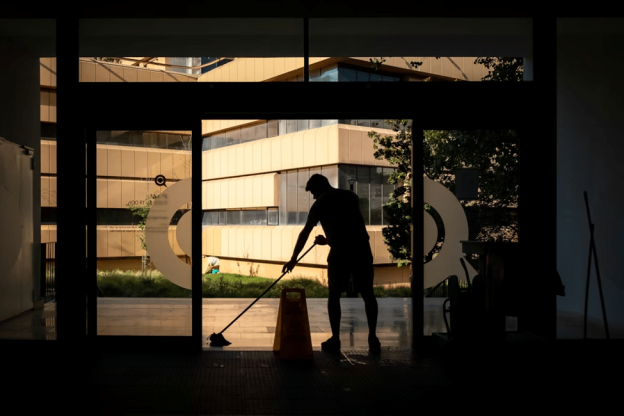
Choosing maintenance support should not feel like a guessing game. With a clear plan, you can protect your building, control costs, and reduce downtime.
This guide walks you through practical steps that work across offices, schools, and light industrial sites. Use it to set standards, compare vendors, and pick the team that fits your needs.
Define Your Maintenance Outcomes
Start by writing down the results you expect. Think in plain terms, like cleaner air, fewer complaints, and fewer urgent tickets. Tie each outcome to a number you can track, such as response time under 2 hours or a 98 percent pass rate on inspections.
List the spaces that matter most and why – a busy lobby needs frequent touchups, while a server room needs strict dust control. A partner, such as Eshine professional cleaners, should propose different routines for each. Map daily, weekly, and monthly tasks so nothing is left to chance.
Decide what success looks like for the first 30, 60, and 90 days. Ask for a ramp plan with quick wins and a path to steady state. This lets you hold the team to progress, not promises.
Verify Safety And Compliance Readiness
Confirm that the vendor treats safety as a core service, not paperwork. Ask how they train techs on hazards, PPE, lockout procedures, and chemical handling. Request proof of incident tracking and near-miss reviews.
A recent OSHA update matters here. OSHA noted that a final rule published in May 2024 takes effect on July 19, 2024, reinforcing how worker participation in inspections should be handled, so your provider should know how to operate under current rules. Ask how their supervisors prepare teams before and during any inspection.
Review certifications and local permits. Check that Safety Data Sheets are current and accessible on site. If they use subcontractors, make sure the same standards apply to every person who enters your building.
Evaluate Cleaning Methods And Materials
Match the cleaning method to the surface and the risk level. High touch points need frequent cleaning, while low-risk zones can follow a lighter schedule. Keep dilution, dwell time, and rinse steps simple and consistent.
For general care, public health guidance is clear. The Centers for Disease Control and Prevention explains that routine cleaning with soap and water removes most germs in many everyday situations, and disinfection is reserved for higher-risk conditions. Your provider should be able to explain when a disinfectant is needed and when it adds no value.
Ask for safer product options where possible. Ask how they reduce fragrance load, manage indoor air quality, and protect finishes on stone, vinyl, and metals. Have them test products in a small area before broad use.
Check Training, Staffing, And Scheduling
Confirm that every site lead and technician has documented training. Look for a plan that covers onboarding, refreshers, and remediation when audits find gaps. Training should be short, practical, and tied to the exact tools used on your site.
Staffing is about coverage and continuity. Ask who covers vacations and callouts, and how often the roster rotates. A stable team knows your building and prevents rework.
Scheduling should respect your operating hours and noise limits. Nail down the window for daytime service versus after-hours. Agree on a clear on-call process for nights and weekends.
Demand Transparent Scope, KPIs, And SLAs
Put the scope in writing with locations, frequencies, and exclusions. Pictures and checklists reduce confusion and help new staff ramp faster. Require a site map that shows storage, water access, and waste paths.
Define KPIs that reflect results you can see. Examples include work order cycle time, quality scores from monthly inspections, and tenant satisfaction. Keep the list short so teams focus on what matters.
Service Level Agreements should be clear and realistic. Set response tiers, such as 2 hours for leaks, 24 hours for minor repairs, and 5 business days for non-urgent items. Include remedies for repeated misses so performance stays on track.
Assess Technology, Reporting, And Communication
Ask what software they use to log tasks and track assets. A simple work order system helps you see status without sending emails. It should capture photos, timestamps, and technician notes that you can export.
Reporting should be brief and regular. Expect a monthly dashboard that shows trends, not just totals. Look for a short narrative that calls out wins, risks, and requests from the field.
Communication should be easy for your team. Confirm a single point of contact and a backup, plus how to reach them in urgent cases. If your company uses a chat or ticketing tool, ask the vendor to adopt it.
Manage Risk, Health, And Continuity
Plan for events that stress the system. Water leaks, outbreaks, and power issues need clear playbooks. Your vendor should keep go-bags and spare supplies on site.
Health protection is a shared duty. Ventilation, filtration, and surface care should work together. Make sure techs know how to isolate a zone, set up signs, and reopen safely.
Continuity depends on documentation. Ask for SOPs, equipment lists, and vendor contacts stored both on-site and in the cloud. Conduct a short drill twice a year to verify readiness.
Align Cost, Value, And Long-Term Fit
Price should reflect scope, labor quality, and supervision. Cheap bids often cut corners on training or tools that you cannot see right away. Ask for a clean breakdown of labor, materials, and management.
Focus on the total cost of ownership. Durable pads, longer life filters, and proactive maintenance can reduce repairs and extend asset life. A small premium for quality often pays back within months.
Choose a partner who plans for your growth. If you add floors or shift to hybrid schedules, can they adapt within 30 days? Ask for a 12-month review to reset the scope and budget as your needs change.

Good maintenance support makes buildings calmer, cleaner, and safer. With clear outcomes and simple measures, you can compare vendors with confidence.
Use this guide as your checklist. When you find a team that meets your standards and communicates well, you can focus on your core work while your space runs smoothly.
Buy Me A Coffee
The Havok Journal seeks to serve as a voice of the Veteran and First Responder communities through a focus on current affairs and articles of interest to the public in general, and the veteran community in particular. We strive to offer timely, current, and informative content, with the occasional piece focused on entertainment. We are continually expanding and striving to improve the readers’ experience.
© 2026 The Havok Journal
The Havok Journal welcomes re-posting of our original content as long as it is done in compliance with our Terms of Use.