Packaging operations are usually under pressure to ensure that the production process continues smoothly while maintaining accuracy. Delays start to impact the total output when products pile up between workstations or require repeated manual handling.
Simultaneously, the inconsistent product flow may cause bottlenecks that slow down the packaging, labeling, and inspection process. These issues make it challenging to maintain efficiency in high-volume environments.
This is where well-designed material transport systems make a tangible difference. Conveyor solutions facilitate quicker packaging processes and minimize operational delays by establishing a steady and controlled movement of products through stations.
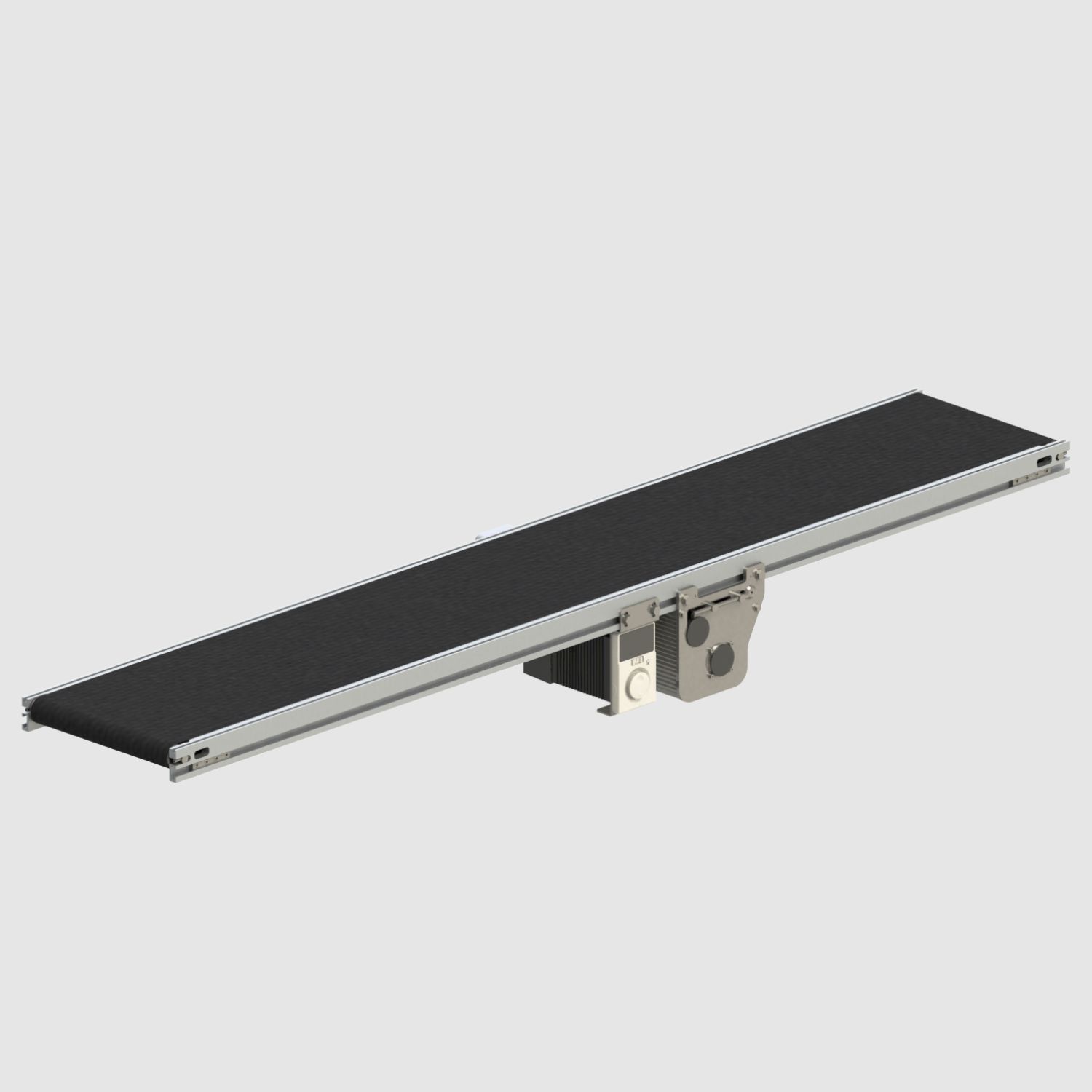
Rather than over-depending on manual transport, automated systems assure a uniform flow of products along the line. This article describes six practical reasons why belt conveyor systems enhance packaging processes and help to create more productive workplaces.
1. Consistent Product Flow Across Packaging Lines
The packaging operation requires a predictable flow of products within stations, which include filling, labeling, and final packing. In the event of uneven arrival of goods, operators cannot maintain a continuous pace, and this ultimately slows the entire line.
A belt conveyor system is used in this case to provide controlled movement of products between workstations. Products move at a consistent rate and have the right spacing so that every step of the packaging function runs without interruptions.
Consequently, teams have fewer bottlenecks and improved coordination between packaging processes, contributing to the stability of production output during the shift.
2. Faster Packaging Through Continuous Material Movement
Movement of the products in and out of the packaging stations is usually done manually, which slows production and causes unnecessary delays. Workers might have to transport trays, boxes, or parts many times, disrupting the work process and lowering efficiency.
Belt conveyor systems solve this problem by ensuring that the products keep moving along the packaging line. There are no frequent interrupts between products passing through one stage into the next.
As a result, packaging operations have a consistent flow, and there is less downtime between the processes. This continuous flow of materials over time assists facilities in processing larger volumes while maintaining consistent packaging speed.
3. Flexible System Configuration for Packaging Layouts
New product formats, new equipment, or even improvements in processes often lead to changes in the packaging environment. These adjustments can be difficult to accommodate by fixed transport solutions, which may lead to expensive modifications.
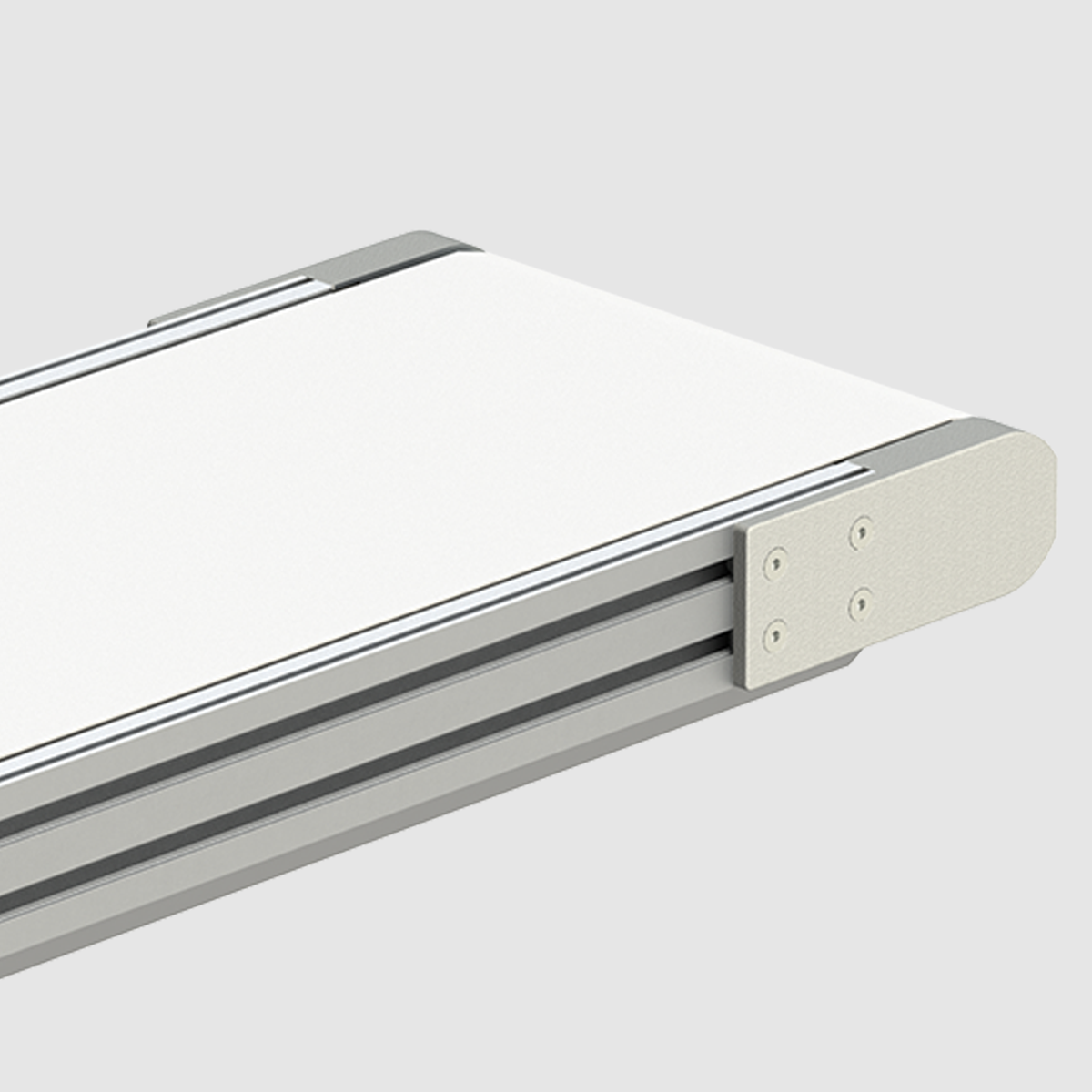
Modular conveyor systems are more flexible as a single section can be extended, moved around, or even added to other equipment. This flexibility enables packaging departments to change layout without necessarily having to reconstruct the whole transport system.
Subsequently, changing anything within the production is easier since every facility can easily respond to the changes, while maintaining efficient product movement along the packaging line. Flexible conveyor configurations facilitate long-term operational efficiency.
4. Reduced Product Handling During Packaging
Every additional touchpoint in a packaging process increases the chance of product damage, contamination, or misplacement. This is particularly important for sensitive items such as medical products, electronics, or fragile packaged goods.
Conveyor transport helps minimize these risks by reducing the need for manual handling. Once products are placed on the belt, they move automatically through various stages of the packaging line.
Smooth belt surfaces and controlled motion allow products to travel gently between stations. In many packaging environments, conveyors can move items such as blister packs, vials, or boxed goods without disturbing their position or alignment.
This controlled handling improves packaging consistency and reduces the likelihood of damaged goods reaching the final stage of production.
5. Energy Efficient Transport for High Volume Production
Packaging facilities often operate multiple shifts, which means material handling systems must run continuously. Energy consumption becomes an important factor when evaluating transport equipment.
Modern conveyor systems incorporate efficient drive technologies that help reduce electricity usage while maintaining reliable performance. For example, brushless DC motors allow precise speed control while operating with lower energy consumption compared with traditional motor systems.
Lower energy demand not only reduces operating costs but also supports more sustainable production practices. Over time, these efficiency improvements contribute to better overall performance across packaging operations.
6. Reliable Integration with Automated Packaging Equipment
Packaging lines often combine multiple technologies such as filling machines, labeling systems, inspection stations, and automated packaging equipment. Without proper coordination, these systems can struggle to operate in sync.
Conveyor systems act as the connection point between these different processes. By linking equipment together, they create a continuous production line where products move seamlessly from one machine to the next.
In many facilities, conveyors also support automated inspection or quality control systems that monitor products while they move along the line. This integration allows packaging operations to maintain high accuracy without interrupting production flow.
As automation continues to expand in manufacturing, conveyors play a central role in connecting each stage of the packaging process.
Conclusion
Efficient packaging operations depend on more than just fast machines. The movement of products between each stage of production plays an equally important role in maintaining output and accuracy. When material transport becomes inconsistent, even well-designed packaging lines can experience delays and bottlenecks.
Belt conveyor systems address these challenges by providing steady product flow, reducing manual handling, and supporting continuous movement across the line. Their modular design also allows packaging facilities to adapt layouts as production needs evolve.
At the same time, energy-efficient drives and smooth transport improve operational reliability. By strengthening the connection between packaging stations, conveyor systems help create organized, predictable workflows that support long-term production efficiency.
Buy Me A Coffee
The Havok Journal seeks to serve as a voice of the Veteran and First Responder communities through a focus on current affairs and articles of interest to the public in general, and the veteran community in particular. We strive to offer timely, current, and informative content, with the occasional piece focused on entertainment. We are continually expanding and striving to improve the readers’ experience.
© 2026 The Havok Journal
The Havok Journal welcomes re-posting of our original content as long as it is done in compliance with our Terms of Use.