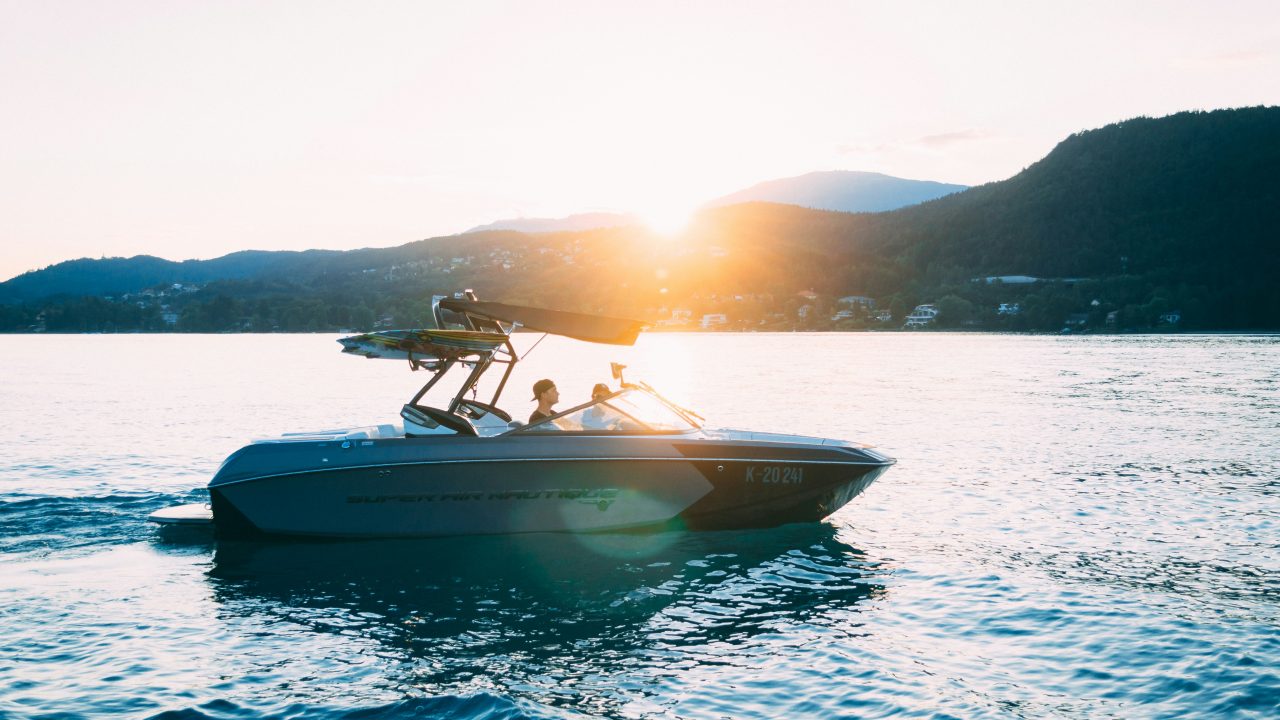
Photo by Maxi am Brunnen on Unsplash
Choosing between saltwater and freshwater boating shapes far more than your weekend plans; it influences maintenance habits, operating costs, performance expectations, and even the type of boat you should consider. Each environment brings its own advantages and challenges, and understanding those differences early helps you make smarter decisions. When you know what to expect, you prepare better, protect your investment more effectively, and ultimately spend less time worrying about your boat and more time enjoying every moment on the water.
Environmental Impact on the Boat
According to specialists from yourboatclub.com, saltwater creates a far more aggressive environment for any vessel. The salt itself clings to exposed surfaces, and once it dries, it continues to pull moisture from the air. That combination accelerates corrosion in a way many first-time boaters underestimate. Even sturdy stainless components can suffer over time, which means consistent care becomes less of a suggestion and more of a routine.
Freshwater may feel gentler, but it introduces its own quirks. Minerals like calcium can slowly accumulate inside cooling systems and along submerged surfaces. The process doesn’t look dramatic at first; however, neglect it long enough and efficiency starts to drop. Many owners assume freshwater equals maintenance-free boating, yet mineral deposits quietly prove otherwise.
Metal components rarely age at the same pace across these environments. Salt tends to shorten the lifespan of fittings, rails, and fasteners unless you stay proactive with protection. Freshwater parts often last longer, yet they still benefit from regular inspection. Paying attention early helps you avoid that moment when a small issue suddenly demands a costly replacement.
Cleaning routines differ more than people expect. After a day in saltwater, a thorough rinse becomes almost automatic because leaving residue behind invites trouble. Freshwater boats don’t demand that same urgency; however, they still deserve a proper wash to prevent staining and buildup. Treat cleaning less like a chore and more like preserving your investment.
Maintenance Requirements
Running a boat in saltwater calls for a bit more discipline, especially when it comes to engine care. Flushing the engine with clean water after each outing helps remove salt deposits before they harden inside cooling passages. Skip this step often enough, and performance starts slipping. Most experienced captains treat flushing as the final step of every trip, not an optional extra.
Marine environments tend to expose weaknesses faster, which makes regular inspections feel less negotiable. Hoses, clamps, wiring, and seals all face harsher conditions, so catching early wear saves both money and frustration. Freshwater boats still benefit from checkups; however, saltwater owners usually develop a sharper eye simply because the margin for neglect shrinks considerably.
Hull cleaning expectations shift depending on where you boat. Saltwater encourages barnacles and algae to latch on surprisingly quickly, and once they settle, they increase drag and fuel consumption. Freshwater growth happens, too, just at a slower pace. Staying ahead ofthe buildup keeps handling predictable and prevents that sluggish feeling when you try to accelerate.
Protective coatings earn their reputation in coastal settings. Anti-corrosion sprays, bottom paints, and sealants create a barrier between delicate materials and the elements. While freshwater owners sometimes postpone these treatments, those who boat in saltwater rarely gamble on that approach. A well-protected hull and hardware often mean fewer surprises when the next season rolls around.
Boat Construction and Materials
Boats designed for saltwater often feature hardware built to resist corrosion from day one. Manufacturers lean toward higher-grade stainless steel, sealed connectors, and tougher fasteners because ordinary metals simply won’t last. When you step aboard a saltwater-rated vessel, you can usually sense that extra durability in the details, even if you’re not actively looking for it.
Material choice plays a bigger role than many buyers realize. Aluminum boats thrive in freshwater thanks to their lighter weight and efficiency, but prolonged exposure to saltwater can compromise them without proper protection. Fiberglass tends to handle salt conditions more comfortably, which explains why you see so many fiberglass hulls along the coast.
Electrical systems demand extra attention as well. Moisture and salt don’t mix kindly with wiring, so better insulation and thoughtful routing help prevent failures. Even small upgrades, like heat-shrink connectors, can make a noticeable difference over time. Freshwater setups face fewer threats; however, investing in reliability always pays off when you’re far from shore.
Specialized paint and finishes do more than improve appearance. Marine-grade coatings shield surfaces from UV rays, salt residue, and constant moisture. Owners sometimes view them as cosmetic, yet they quietly extend the boat’s lifespan. Keeping that finish intact isn’t about vanity; it’s about ensuring your vessel continues to look sharp and perform reliably.
Performance and Buoyancy Differences
Saltwater naturally provides more buoyancy because it’s denser than freshwater. That extra lift allows boats to sit slightly higher, which can translate into smoother acceleration and a subtle boost in efficiency. Many boaters notice the difference immediately when transitioning between environments, even if they can’t quite explain why the ride feels lighter.
Speed variations remain modest, yet they’re still worth mentioning. With more buoyancy comes reduced drag, so some vessels gain a small performance edge in saltwater. Freshwater boating still delivers plenty of responsiveness; however, weight distribution and engine tuning tend to matter more than the water type once you’re underway.
Handling conditions often separate these experiences more clearly than raw speed. Coastal waters can shift quickly, bringing swells, tides, and unpredictable chop into play. Lakes and rivers usually feel calmer, though the weather can always surprise you. Learning how your boat responds in each setting builds confidence and helps you react without hesitation.
Fuel efficiency ties closely to resistance and operating conditions. A clean hull and favorable buoyancy can stretch each gallon further, whereas buildup underneath the boat works against you. Freshwater boaters sometimes overlook this connection, yet the principle remains the same everywhere: reduce drag, maintain the vessel well, and your stops for fuel become less frequent.
Typical Boating Activities
Saltwater opens the door to offshore fishing, where the variety alone keeps anglers coming back. Larger species, changing depths, and the thrill of open water create an experience that feels adventurous from the moment you leave the harbor. Preparation matters more out there, yet the payoff often comes in the form of unforgettable catches.
Lakes and rivers tend to attract watersports enthusiasts who crave consistency. Wakeboarding, tubing, and skiing benefit from more predictable surfaces, making it easier to plan a full day without constantly adjusting for changing conditions. Families especially appreciate that stability since it keeps the focus on fun rather than on reading the water.
Cruising styles naturally evolve based on location. Coastal navigation often involves plotting routes, monitoring tides, and carefully selecting anchorages. Inland cruising feels more relaxed by comparison; however, it still rewards attentiveness. Either way, the rhythm of the journey shapes how you prepare and what you bring along.
Recreational and sport-focused boating each find its ideal playground. Some boaters chase adrenaline through deep-sea runs, while others prefer slow sunset rides along a quiet shoreline. Neither approach outranks the other; it simply comes down to what helps you unwind. Matching your activity to the environment usually leads to more satisfying days on the water.
Wrap Up
Saltwater and freshwater boating each offer a rewarding experience, yet they demand slightly different mindsets from owners. Saltwater often requires more vigilance and upkeep, while freshwater typically allows for a gentler routine. Neither option stands above the other; success comes from matching your boat, maintenance approach, and expectations to the environment. Learn the differences, stay consistent with care, and your boat will reward you with reliability, performance, and countless memorable days afloat.
Buy Me A Coffee
The Havok Journal seeks to serve as a voice of the Veteran and First Responder communities through a focus on current affairs and articles of interest to the public in general, and the veteran community in particular. We strive to offer timely, current, and informative content, with the occasional piece focused on entertainment. We are continually expanding and striving to improve the readers’ experience.
© 2026 The Havok Journal
The Havok Journal welcomes re-posting of our original content as long as it is done in compliance with our Terms of Use.


