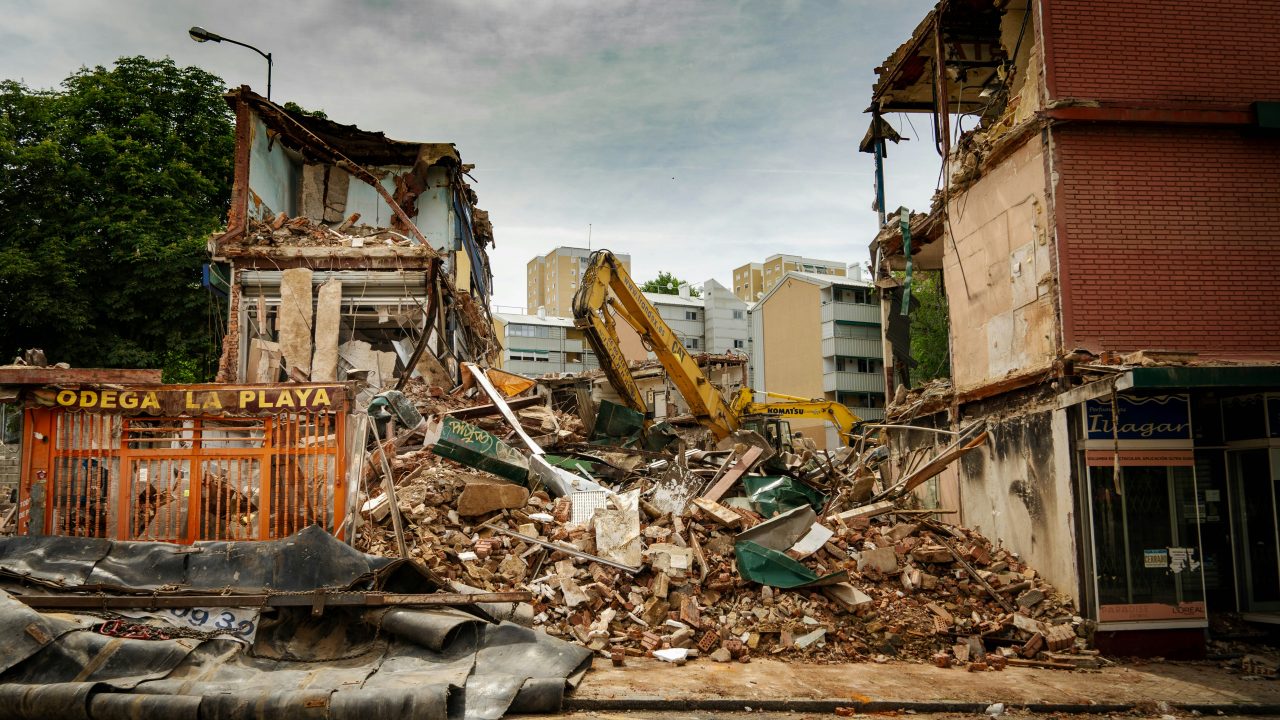
Photo by Jose Antonio Gallego Vázquez on Unsplash
Feeling anxious about an earthquake is natural. However, preparation can go a long way in ensuring everybody’s safety in the event of an earthquake. Many families neglect preparation until it is too late. Unlike some disasters that give ample warning, earthquakes strike suddenly and with little or no warning. However, with just a few forward planning steps, every home can significantly increase its chances of staying safe during such an event. This guide describes steps you can take to minimize exposure and prepare your family to react quickly and efficiently in the event of an earthquake.
Create a Family Emergency Plan
Finalizing an emergency plan is essential for every family. If you’re wondering how to prepare your home for an earthquake, do not ignore this crucial first step. In case you are separated, you should choose a safe place where you can meet after the earthquake. Out-of-town contact numbers should be used to ensure timely communication when local lines are dead. Rehearse well so that everyone knows their duties. Families should seek everybody’s input during planning, including children who will be expected to follow your guidance. Give individual instructions to avoid confusion. Clear instructions about what everyone needs to do in specific situations help them handle the situation better.
Prepare an Emergency Supply Kit
It is essential to put together an emergency supply kit. This kit should include enough food and water for each person for a minimum of three days. Stock items like canned goods, bottled water, flashlights, batteries, and a first-aid kit. These are just as vital as personal hygiene products and any prescriptions you may need. Store critical documents like ID and insurance in a waterproof box. Keep the kit in an easily reachable place from where everyone can access it.
Anchor Furniture and Other Potential Hazards
Heavy objects tipping over in an earthquake can injure people or block exits. Attach bookshelves, cabinets, and large appliances to walls with brackets or straps. Put heavier objects on the lower levels so they do not fall on the floor on impact. Place cleaning products and other hazardous substances on lower shelves with childproof latches. Objects such as picture frames and mirrors that are hanging on the walls should be removed to prevent them from falling to the floor. Some things may still fall out when cupboards open on impact. Hence, it is essential to check cabinets, closets, and storage areas.
Assign a Designated Safe Space in Every Room
During an earthquake, knowing where to take cover can save you from injuries. Every room should have at least one solid table or desk that can be used as a shelter. In case of shaking, stay away from windows or glass doors and walls facing outside. Show children how to cover their heads and necks while taking cover. Doorways are only safe if the frame is secure and strong, so do not stand in doorways. Use stickers or signs to help children identify the safe areas inside a home.
Practice Communication and Emergency Procedures
During an emergency, phone lines might not work at all. Designate an out-of-town relative or friend to be a central contact. Send text messages, which are more likely to reach the other person in a disaster than a phone call. Have emergency numbers on sheets of paper stored in prominent places. Including neighbors in communications planning is critical, as local cooperation can streamline response efforts. Go over procedures regularly so that everybody knows what they must do.
Check and Maintain Home Structure
A solid foundation of a home can lower the damage from an earthquake. Look for cracks or soft spots on walls, chimneys, and roofs, and repair them as necessary. Use the right supports to brace low spots in crawl spaces and basements. If you can do so, bring older structures up to code to strengthen safety features. Use flexible connections on gas and water lines to allow movement without leaks or breaks. Home security is not a one-time affair. It entails constant maintenance in order to keep your home as safe as possible.
Educate Everyone on Earthquake Safety
Awareness is crucial for earthquake preparedness. Educate everyone in your household about the risks and signs of earthquakes. Teach kids how to react calmly and safely. Revisit how to use emergency supplies and deal with first aid. Keep everyone calm and ensure they follow the plan in case of an earthquake. Safety information provided to extended family and neighbors also helps strengthen the readiness of the community.
Conclusion
Preparing to face an earthquake involves clear planning, gathering reliable supplies, and communicating safety plans. Keeping all the points listed in this post can help families prepare for an earthquake. By following these steps, families can stay safe, reduce the likelihood of injuries, and recover quickly after an earthquake.
Buy Me A Coffee
The Havok Journal seeks to serve as a voice of the Veteran and First Responder communities through a focus on current affairs and articles of interest to the public in general, and the veteran community in particular. We strive to offer timely, current, and informative content, with the occasional piece focused on entertainment. We are continually expanding and striving to improve the readers’ experience.
© 2026 The Havok Journal
The Havok Journal welcomes re-posting of our original content as long as it is done in compliance with our Terms of Use.


