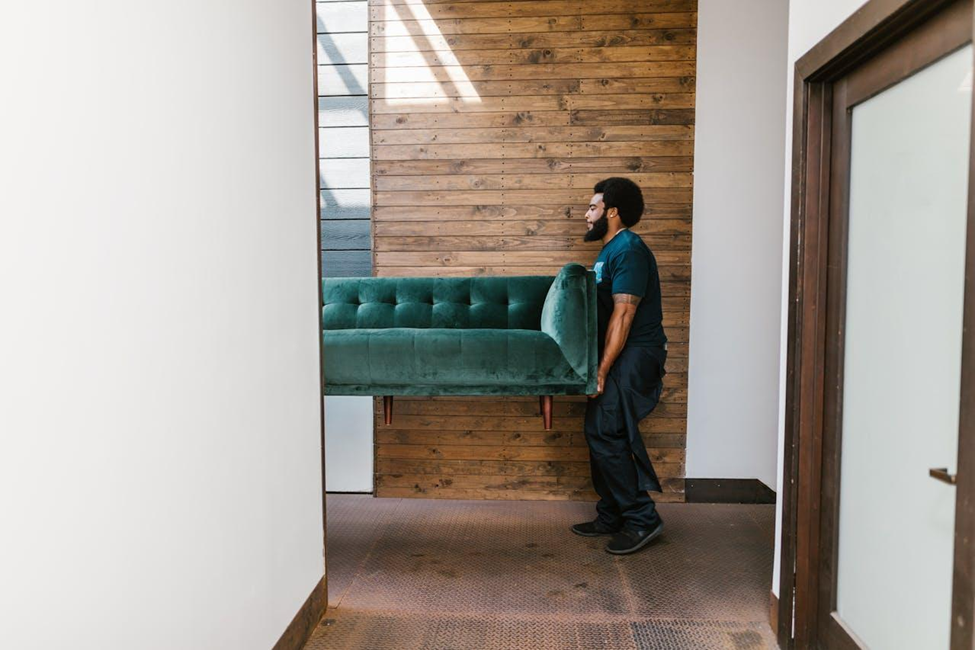
Starting fresh sounds exciting until reality settles in. You imagine new streets, better opportunities, and a clean slate. Still, starting over in a new city often feels harder than expected. You leave routines, friendships, and familiar places behind. Even simple tasks suddenly require effort. Finding groceries, navigating traffic, or learning local habits can feel exhausting. Many people underestimate how much mental energy relocation demands. Change brings growth, yet it also brings discomfort. You may feel confident one moment and completely lost the next. That emotional swing is normal.
Starting Over in a New City Means Letting Go First
Before building something new, you must release what feels familiar. That part rarely gets attention. You may miss favorite coffee shops, trusted neighbors, or daily routines that once felt automatic. Your brain craves predictability because it reduces stress. When that structure disappears, fatigue appears quickly. Allow yourself to feel unsettled without judging the experience. Transition takes adjustment, not perfection. Create small anchors in your new environment. Walk the same route each morning or visit one place regularly. Familiar repetition builds comfort faster than constant exploration. Many people try to recreate their old life immediately, yet that approach increases frustration. Instead, focus on gradual replacement. One new habit at a time helps you regain stability. Letting go does not mean losing identity. It simply creates space for new experiences to grow naturally.
Managing Stress Before It Builds Up
Stress often grows quietly during relocation. Small frustrations accumulate until motivation drops. You may struggle with paperwork, traffic patterns, or unfamiliar services. Many people eventually look for ways to learn to overcome relocation frustration before burnout appears. Break problems into small tasks rather than solving everything at once. Celebrate progress, even when it feels minor. Exercise helps regulate stress hormones and improves mood stability. Short walks can reset mental focus after long planning sessions. Sleep routines also matter more than expected. Irregular schedules increase anxiety and reduce decision-making ability. Creating a daily structure restores a sense of control. Instead of pushing through exhaustion, pause and reset when needed. Managing stress early prevents emotional overload later.

s.
Planning Around Unexpected Changes
Even the most organized relocations can shift without warning. Job start dates move, housing deals collapse, or travel plans change overnight, leaving you with far less time to prepare. When you find yourself moving last minute, the key to a smoother, stress-free transition lies in simplifying your approach. Begin with a basic plan that outlines what must happen first, then follow a smart packing order—essentials, documents, daily items, and valuables before everything else. Bringing in professional movers can also remove much of the physical and mental strain, allowing you to focus on settling in rather than logistics. Prioritize housing, transportation, and communication, and place secondary tasks on hold. Flexibility matters more than perfection during rapid transitions. Short-term solutions, such as temporary rentals, can provide breathing room while you explore neighborhoods and make long-term decisions with confidence.
The Emotional Side Nobody Talks About
Relocation affects emotional health more than logistics. Findings from a University of Auckland study measuring the stress of moving homes also show that changing residence can significantly increase overall stress levels due to disrupted routines and social stability. You might feel isolated even when surrounded by people. Social circles take time to rebuild. Meanwhile, decision fatigue grows because everything feels unfamiliar. Simple choices suddenly require research and planning. Give yourself structured downtime to recover mentally. Avoid filling every weekend with activities just to feel productive. Rest supports adjustment. Journaling or short daily reflections can help process change. You may also notice shifts in confidence while learning new systems. That reaction is normal.
Staying Connected Matters More Than You Think
Distance can weaken relationships if communication becomes difficult. Technology now makes connections easier, yet many people fail to use tools effectively. While adjusting, you may search for staying connected overseas with practical tech tools that help maintain relationships across time zones. Simple habits help reduce loneliness. Schedule regular video calls instead of relying on random messages. Use shared calendars with family or friends to stay involved in daily life. Messaging apps with voice notes create more personal communication than text alone. Reliable connection supports emotional stability during transition. When relationships remain active, relocation feels less isolating. Strong communication habits help you maintain identity while adapting to new surroundings. Connection builds emotional resilience, especially during early weeks when routines still feel unfamiliar.

Community Matters
Loneliness fades when community begins to form. Building connections requires intention, not luck. Many newcomers discover growth when they begin to find purpose in community power through shared interests or service opportunities. Volunteer groups, hobby clubs, or local events offer natural conversation starters. Shared goals help relationships develop faster than casual interactions. Look for environments where collaboration happens naturally.
Practical Habits That Speed Up Adjustment
Daily structure helps you adapt faster than constant exploration. Instead of trying everything at once, focus on routines that create stability. Consider these helpful habits:
- Choose one regular grocery store and learn its layout
- Establish a consistent morning routine
- Introduce yourself to neighbors early
- Explore one new place per week instead of many
- Keep communication with old friends consistent
The Growth Hidden Inside Discomfort
Relocation challenges your identity because familiar feedback disappears. You are no longer known by routine or reputation. This discomfort creates opportunity. You can redefine habits, goals, and priorities. Many people discover strengths they never noticed before moving. Problem-solving improves because adaptation becomes a daily practice. You learn independence and resilience through small challenges. Confidence grows each time you navigate something unfamiliar successfully. While discomfort feels temporary, growth often lasts longer. Instead of resisting uncertainty, treat it as training for flexibility. Every solved problem strengthens your ability to handle future change. Over time, unfamiliar experiences transform into confidence-building milestones.
Conclusion: The Honest Reality of Starting Over
The truth about starting over is simple. It feels uncomfortable before it feels exciting. Adjustment takes patience, effort, and emotional flexibility. You will face moments of doubt alongside moments of discovery. When you accept both challenge and opportunity, starting over in a new city becomes less about loss and more about transformation. Over time, unfamiliar streets begin to feel like your own story unfolding.
Buy Me A Coffee
The Havok Journal seeks to serve as a voice of the Veteran and First Responder communities through a focus on current affairs and articles of interest to the public in general, and the veteran community in particular. We strive to offer timely, current, and informative content, with the occasional piece focused on entertainment. We are continually expanding and striving to improve the readers’ experience.
© 2026 The Havok Journal
The Havok Journal welcomes re-posting of our original content as long as it is done in compliance with our Terms of Use.


