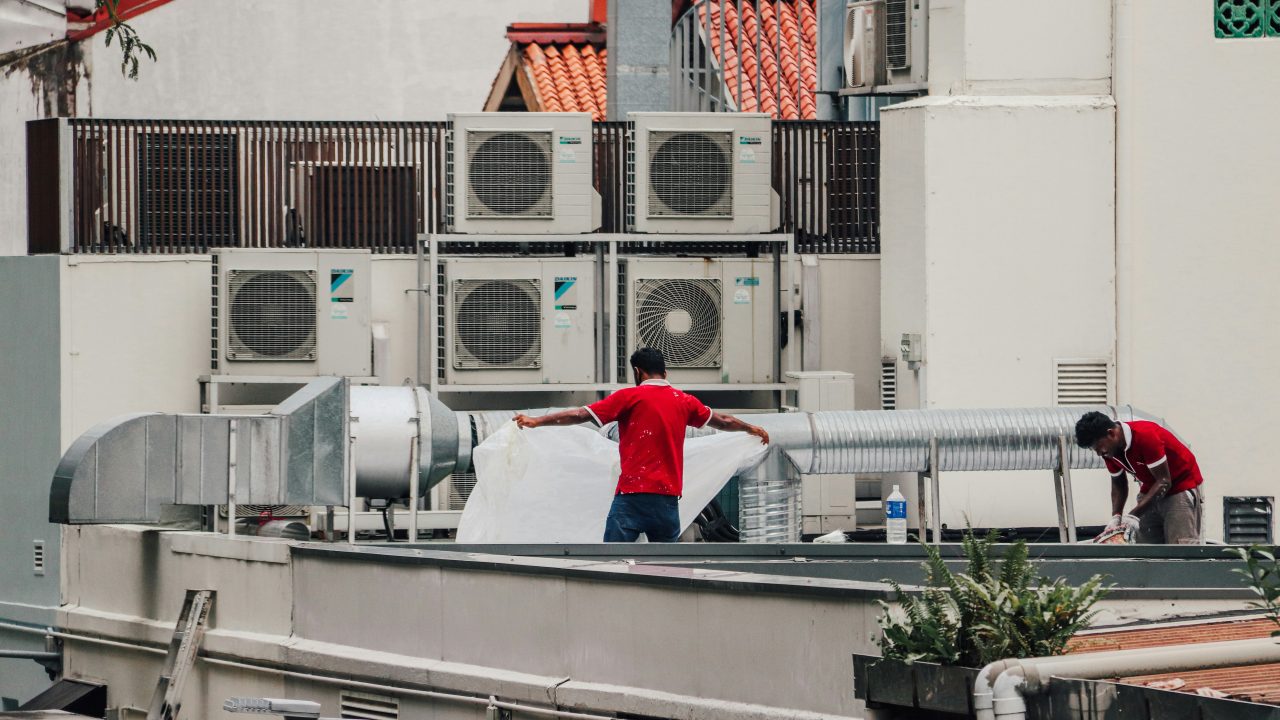
Photo by Singapore Stock Photos on Unsplash
An HVAC system affects comfort, energy expenses, indoor air quality, and daily convenience. Declining performance can increase expenses long before a complete system breakdown occurs. Small efficiency losses, recurring service needs, and reduced reliability can gradually affect overall ownership costs. Schedule a professional evaluation to gain clarity before repair expenses increase further.
Many property owners reach a stage where repair invoices become increasingly difficult to justify. Frequent service calls can raise concerns about long-term value and future reliability. At that point, affordable HVAC replacement options deserve careful consideration and review. A structured cost assessment helps compare ongoing repair expenses with the benefits of a newer system. Such an approach supports a practical and financially sound decision.
Repair Frequency Reveals the True Cost Picture
A single repair does not automatically indicate a need for replacement. Many systems continue to operate reliably after one isolated mechanical issue. Concerns usually grow when service calls become more frequent throughout the year. HVAC professionals often examine repair patterns instead of individual invoices alone.
Several repairs within a short period can signal deterioration across components such as the compressor or blower motor. Repeated service appointments may create costs that exceed the value received. Maintenance records frequently reveal trends that remain hidden during isolated evaluations. Those patterns help clarify when repair spending becomes increasingly difficult to justify.
System Age Influences Long-Term Financial Value
Equipment age adds valuable perspective during repair and replacement discussions. Most residential HVAC systems operate reliably for many years with proper care. Internal components gradually experience wear that affects overall dependability and performance stability.
Age-related issues can become more noticeable within the evaporator coil and other critical components. Older systems may require parts that are harder to locate and replace. Limited manufacturer support can further increase future service expenses. Remaining service life becomes an important factor when major repairs arise. Combined with repair history, it creates a clearer picture of future ownership costs.
Energy Efficiency Plays a Major Financial Role
Energy consumption represents a substantial portion of HVAC ownership expenses. Older systems frequently require more electricity or fuel to maintain comfort. Reduced efficiency can gradually increase utility costs throughout each season. An incorrect refrigerant charge can further reduce operating efficiency and system performance.
Monthly energy statements frequently reveal performance changes before mechanical failures appear. Modern equipment commonly delivers stronger efficiency through updated technology, design, and higher SEER ratings. Lower operating expenses can offset a portion of replacement costs over time. Energy trends offer valuable insight when evaluating replacement timing.
Comfort and Indoor Conditions Reflect Equipment Health
Financial considerations matter, yet comfort remains a significant part of the equation. Uneven temperatures can indicate that a system struggles to distribute conditioned air effectively. Certain rooms may feel uncomfortable despite extended operating cycles.
Humidity concerns can further affect indoor comfort and daily satisfaction. Weak airflow may place additional strain on important mechanical components. Stable temperatures usually reflect stronger overall system performance. Improved comfort can become a meaningful benefit after replacement. Indoor conditions frequently reveal problems that financial records cannot capture.
Strategic Evaluation Supports Better Replacement Decisions
Sound replacement decisions result from a complete review of HVAC system performance. Repair history, equipment age, operating costs, and comfort concerns each contribute useful information. Emergency service visits can introduce unexpected expenses throughout ownership.
Financing programs and manufacturer incentives may improve replacement affordability. Professional assessments can identify hidden efficiency losses, airflow restrictions, and developing component issues. A comprehensive review reduces uncertainty during major equipment decisions. Clear information helps property owners evaluate available options with greater confidence. Careful planning supports stronger financial outcomes over the long term.
The quality of professional guidance can significantly influence the outcome of any HVAC replacement decision. Experienced contractors can assess system condition, identify underlying performance concerns, and provide recommendations based on actual equipment needs. At that stage, affordable HVAC replacement options should be reviewed with a qualified professional who can explain costs, efficiency expectations, and installation requirements. Careful contractor selection remains equally important, since proper installation affects long-term performance and reliability. A reputable HVAC professional can help ensure that the chosen solution delivers dependable comfort, energy efficiency, and lasting value.
Buy Me A Coffee
The Havok Journal seeks to serve as a voice of the Veteran and First Responder communities through a focus on current affairs and articles of interest to the public in general, and the veteran community in particular. We strive to offer timely, current, and informative content, with the occasional piece focused on entertainment. We are continually expanding and striving to improve the readers’ experience.
© 2026 The Havok Journal
The Havok Journal welcomes re-posting of our original content as long as it is done in compliance with our Terms of Use.


