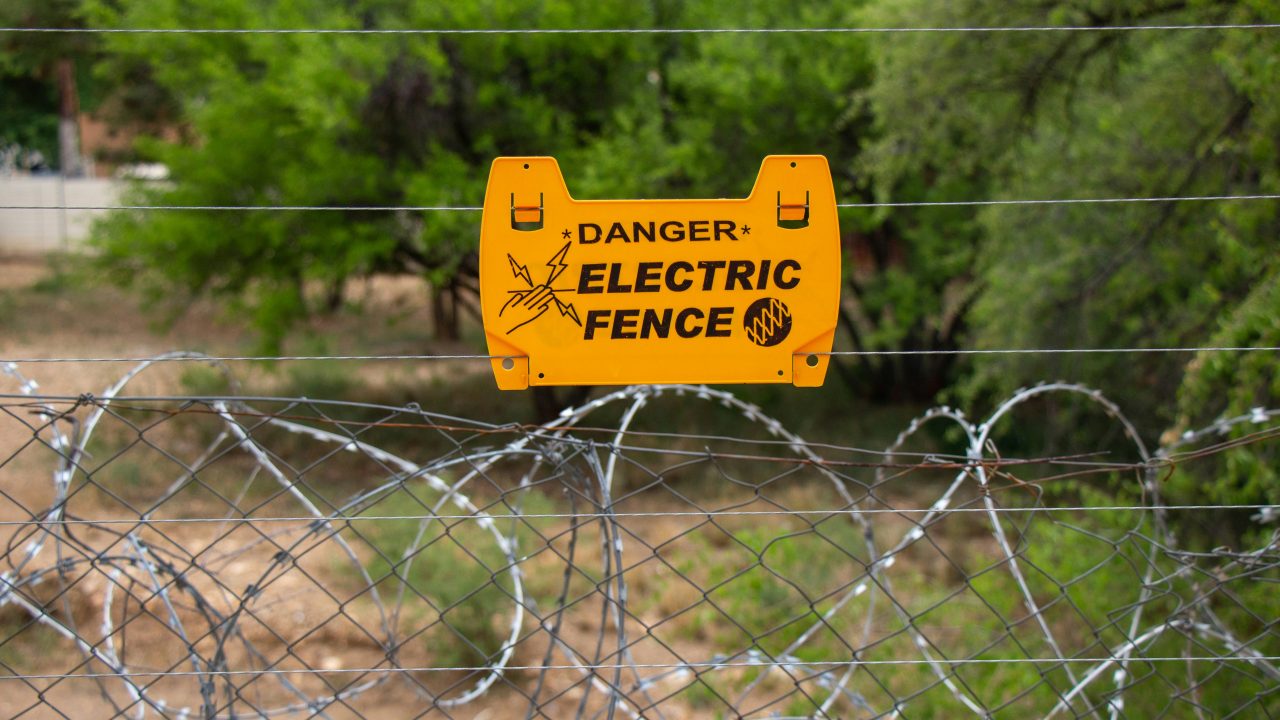
Photo by Alan J. Hendry on Unsplash
A secure farm fence begins with the right match between animals, terrain, and power. Poultry, goats,se sheep, hogs, and garden plots all place different demands on a boundary. Good materials reduce escapes, limit predator contact, and make daily chores less stressful. Understanding which supplies matter most can prevent costly trial and error.
Posts, conductors, gates, grounding, and chargers all carry part of the load. Choosing the right electric fence supplies early helps avoid mismatched parts and repeated fixes. Careful selection gives the system enough strength, visibility, and consistency for real farm conditions. A closer look at each component shows how they work together.
Start With the Right Kit
Before any purchase, a farm should map animal type, pasture layout, soil moisture, vegetation, and distance from power. That review makes supply choices easier to judge because each component serves a measured purpose. Netting, posts, chargers, gates, clips, and lead cables need to function as one connected barrier rather than assorted parts gathered over time.
Choose Strong Netting
Electric netting is often the working edge of a portable fence. Mesh height, strand spacing, and bottom clearance should match the animals inside it. Poultry needs tight lower openings to reduce gaps near the ground. Goats and sheep require taller, visible barriers that discourage testing. Bright fibers help livestock read the boundary before contact, which lowers strain on posts and joints.
Pick the Energizer
The energizer determines whether the fence delivers a clear, corrective pulse. Undersized units lose strength across long runs, wet weeds, or heavy animal pressure. Solar models suit fields without outlet access, provided sunlight and battery storage are adequate. Plug-in chargers work well near barns or fixed paddocks. Output should match fence length, plant contact, and livestock behavior.
Grounding Matters
Grounding is where many weak fences fail. The animal must complete a circuit through soil or a return strand before the shock feels effective. Dry sand, frozen earth, and rocky ground can slow current flow. Extra rods may be needed in poor conditions. Positive-negative netting can help because charged and return wires sit within the same structure.
Use Reliable Posts
Posts set the height, tension, and shape of the line. Flexible fiberglass handles wind and animal contact better than brittle material. Double-spike bases improve grip in soft or uneven soil. Corners, dips, gates, and pressure points often need extra support. A straight, upright fence is easier to energize, inspect, and move without dragging strands across vegetation.
Select Safe Gates
A good gate keeps access simple while preserving current through the fence. Portable systems benefit from gates that open without collapsing nearby netting. Insulated handles should be easy to see, firm in the hand, and placed away from puddles or metal. Clear entry points reduce climbing, tripping, and loose strands that can short out against the grass.
Add Connectors and Clips
Small hardware carries more importance than it receives. Lead cables link chargers, nets, and ground systems with minimal resistance. Clips join sections, restore broken conductors, and keep charge moving after a repair. Spare parts should stay near the energizer or feed area. Quick fixes matter most during storms, pasture moves, and morning livestock checks.
Plan for Terrain
Fields rarely behave like diagrams. Slopes, dips, stones, lanes, brush, and wet patches affect fence contact. Netting should follow the soil closely enough to prevent crawl spaces. Corners may need bracing so the line keeps its shape. Plant growth beneath charged strands should be trimmed often. Wet areas need routing that avoids standing water and exposed metal.
Match Animal Behavior
Fence choice should begin with behavior, not acreage alone. Poultry need low protection against digging predators and quick moves onto fresh ground. Goats lean, climb, and search for weak spots. Sheep usually respect visible barriers once trained, though wool can limit skin contact. Hogs push with the snout near soil level, so lower charged strands are critical.
Build a Maintenance Routine
Inspection should happen before animals enter a new paddock. A voltage tester confirms charge strength better than guessing by sight. Sagging mesh, loose clips, bent posts, and weed contact deserve quick correction. Storms can shift lines or pull stakes from softened ground. Seasonal notes help identify repeat trouble spots before dry weather, snow, or dense growth.
Budget for Spares
A sound budget includes replacement parts, not just the first installation. Extra posts, clips, lead cables, handles, ground rods, and repair sleeves prevent minor faults from stopping work. Spare netting adds flexibility during lambing, brooding, quarantine, or pasture recovery. Keeping common parts on hand protects routines when animals, weather, or equipment create sudden pressure.
Conclusion
Secure farm fencing comes from fit, not guesswork. Netting, energizers, grounding, posts, gates, and connectors must suit the animals, soil, weather, and workload. The best systems are easy to test, repair, and relocate when pasture plans change. With thoughtful supply choices, a fence offers dependable containment, better predator resistance, and calmer daily care for livestock and the people responsible for them.
Buy Me A Coffee
The Havok Journal seeks to serve as a voice of the Veteran and First Responder communities through a focus on current affairs and articles of interest to the public in general, and the veteran community in particular. We strive to offer timely, current, and informative content, with the occasional piece focused on entertainment. We are continually expanding and striving to improve the readers’ experience.
© 2026 The Havok Journal
The Havok Journal welcomes re-posting of our original content as long as it is done in compliance with our Terms of Use.


