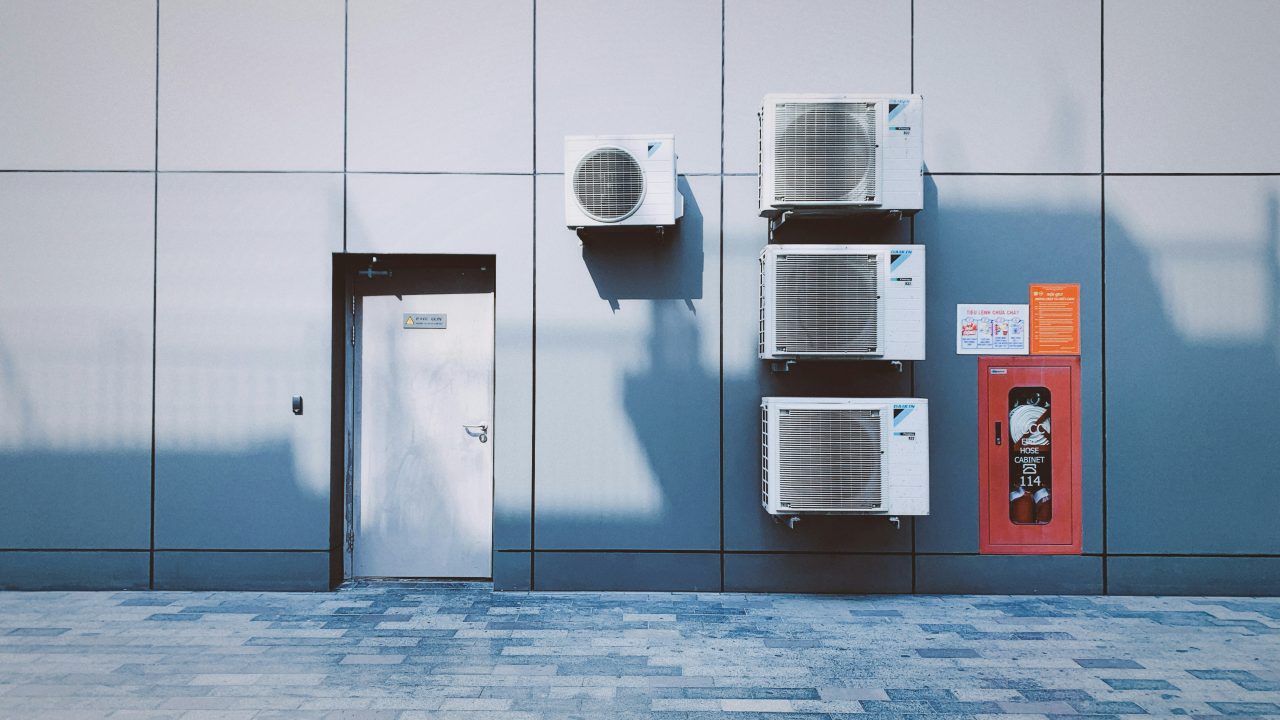
Air conditioning replacement restores indoor comfort and prevents frequent breakdowns common to aging appliances. Modern systems also help cool living spaces quickly while utilizing less energy. Here is more information on AC replacement:
Air Quality Testing
During AC replacement, technicians conduct indoor air quality testing to evaluate the composition of air in living spaces. This assessment detects airborne pollutants and irritants that standard HVAC filters often fail to remove. The results guide a targeted air purification plan tailored to the home’s conditions.
After identifying contaminants throughout the home, the team recommends system enhancements such as media filtration or ultraviolet (UV) lamps. The evaluation includes screening for odorless but hazardous gases, including carbon monoxide. During system inspections, technicians examine furnace heat exchangers for cracks that could allow carbon monoxide to enter indoor air. In homes with low humidity, whole-house steam or bypass humidifiers are installed to maintain balanced moisture levels.
Work Zone Clearing
Before technicians arrive for air conditioner replacement, homeowners prepare the installation area for the new unit. The outdoor space should be cleared of twigs, leaves, and other yard debris, and overgrown plants should be trimmed back to prevent obstruction. A clean installation site verifies that the condenser receives unobstructed airflow during operation. Inside the home, a clear pathway is established to support safe and efficient work conditions for the installation crew. Hallways and stairways are cleared of clutter and other obstacles. Because replacement units are heavy and bulky, an open route reduces the risk of damage or injury during transport. Residents also keep ventilation areas accessible by moving furniture or rugs away from floor registers. This access allows technicians to verify airflow and balance across all rooms.
Physical Equipment Sizing
Technicians confirm the dimensions of the installation areas to make sure the replacement equipment fits within the home’s layout. Evaluating spatial tolerances establishes adequate clearance on all sides of the unit, supporting proper airflow and simplifying future maintenance and diagnostics. The installation team also performs electrical measurements based on the existing infrastructure to prevent system overload. This includes assessing the voltage load of the main electrical panel and calculating the amperage requirements of components such as the compressor and fan motors. When household wiring shows signs of degradation, upgrades stabilize the system and reduce the risk of repeated breaker trips. Technicians measure refrigerant line length to verify correct coolant volume within the system. Final assessments include reviewing the home’s thermal distribution to support balanced operation and optimal system performance.
Old Equipment Deconstruction
Technicians dismantle the existing cooling system with careful handling to protect surrounding surfaces and components. Installers complete the deconstruction in the following steps:
- Recover liquid refrigerant
- Disconnect electrical circuits
- Cut metal pipes
- Unbolt mounting brackets
After separating the mechanical components, the crew clears the workspace and prepares the area for the new installation. The outdoor condenser unit is removed, and the indoor coil assembly is extracted from the ventilation closet. When needed, the equipment pad is cleaned to provide a stable foundation for the replacement system. The team then transports the decommissioned equipment from the property. Units and materials are loaded for delivery to appropriate recycling and processing facilities, supporting responsible material handling and disposal.
Replacement AC Installation
The installation begins with transporting the new cooling equipment onto the property. Service teams move the air handler indoors and position the outdoor condenser on its foundation pad. Placement directly influences system longevity, so technicians verify adequate clearance around the unit to support continuous airflow around the equipment. Once the equipment is set, installers complete the mechanical and electrical integration. New refrigerant line sets connect the indoor and outdoor components, forming the closed loop required for heat transfer; connections are also sealed to maintain system integrity during operation and long-term use. Technicians then run electrical wiring from the main circuit breaker panel to the cooling system components. The connections establish power delivery to the air handler and condenser, aligning the system with the home’s existing electrical infrastructure.
Learn More About AC Replacement
Technicians adjust the new system so it fits the layout of your home and works correctly with the installed components. They then run the system through startup tests to confirm it powers on, cycles properly, and operates without mechanical issues. Contact a reputable heating and cooling service provider to learn more about their services.
Buy Me A Coffee
The Havok Journal seeks to serve as a voice of the Veteran and First Responder communities through a focus on current affairs and articles of interest to the public in general, and the veteran community in particular. We strive to offer timely, current, and informative content, with the occasional piece focused on entertainment. We are continually expanding and striving to improve the readers’ experience.
© 2026 The Havok Journal
The Havok Journal welcomes re-posting of our original content as long as it is done in compliance with our Terms of Use.


