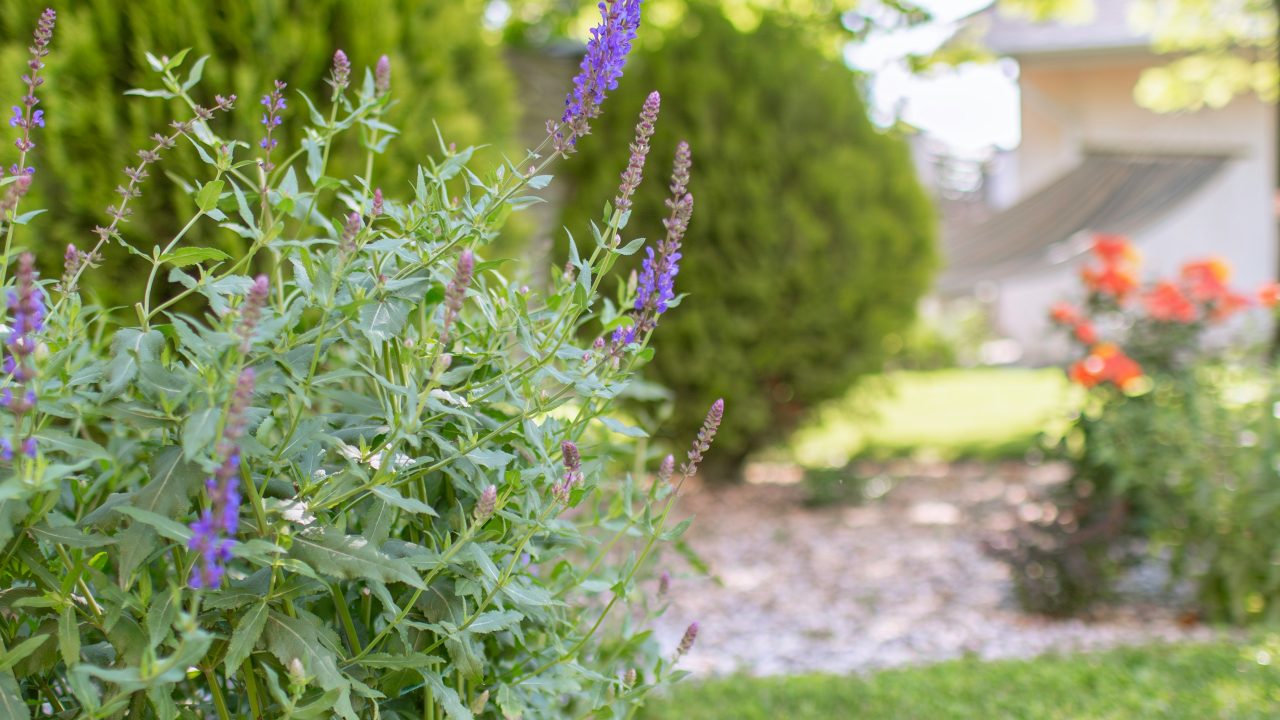
Photo by Tatyana Rubleva on Unsplash
Step out your back door and what do you see? Most people just see a flat stretch of grass and some patio chairs. But if you look closer, that space is actually a wild, breathing network. Every plant, every bug, and even the microscopic life in the dirt has a job to do. When you get this balance right, your yard starts working for you. It becomes tougher against pests, stops needing so many expensive chemicals, and turns into a real-life sanctuary. Building a healthy backyard ecosystem is about ditching the “perfect lawn” obsession and looking at your property as a whole. Once you see how the pieces fit together, you can create a space that practically takes care of itself.
1.Understanding the Backyard as a Living Network
A healthy ecosystem isn’t just about looks; it’s about stability. In a typical yard, this means building layers where life can find food, water, and a place to hide. One thing to keep in mind is that your yard isn’t an island. It’s tied into the local water system and the woods or fields nearby. When you change one thing—like dumping a bag of high-nitrogen fertilizer or pulling out a row of old bushes—it sends a ripple through everything else.
The goal is to stop getting in the way and start helping nature do its thing. Think about ladybugs and lacewings. These are your personal pest control crew. They eat aphids so you don’t have to spray chemicals. Then you’ve got the birds, who handle the heavy lifting of eating caterpillars and beetles. If you treat your backyard like a tiny nature reserve, you’ll find that long-term health is much easier to maintain than a high-maintenance aesthetic.
2.Prioritizing Soil Quality for Robust Plant Growth
The foundation of everything is the soil. But here’s the thing: soil isn’t just dirt. It’s a massive, hidden city of bacteria, fungi, and worms that turn old leaves into the nutrients your plants are screaming for. Traditional gardening usually tries to “fix” things with quick chemical sprays, but that often kills the very microbes that keep the soil alive. It’s like taking a pill that fixes one thing but makes you sick in three other ways.
To build a better foundation, you want to feed the soil, not just the plants. Adding compost and mulch is the best way to do this. Compost adds life and helps the soil hold onto water without turning it into a swamp. It’s also vital to back off the broad-spectrum pesticides. Those chemicals don’t discriminate—they kill the good guys along with the bad. When your soil is healthy, your plants grow deeper roots and can handle a brutal heatwave or a dry spell without breaking a sweat.
3.Encouraging Biodiversity through Native Flora and Fauna
Nature hates a copy-paste job. A giant lawn made of just one type of grass (a monoculture) is basically an all-you-can-eat buffet for specific pests. But a yard filled with a mix of native trees, shrubs, and wildflowers is a different story. It’s much harder to knock down. Native plants are the MVPs here because they’ve spent thousands of years learning how to live with the local birds and bugs. They provide the exact nectar and seeds that your regional wildlife needs to survive.
When you’re adding new plants, try to think in layers. You want tall canopy trees, some mid-sized bushes, and ground covers. This gives different animals different levels to live in. Plus, if you pick plants that bloom at different times, you’ll have pollinators visiting from early spring all the way into the fall. By inviting more variety into your yard, you’re letting nature regulate itself.
4.Implementing Sustainable Water Management Practices
Water is life, obviously, but how it moves through your yard is what matters. If you get a heavy rain and all that water just rushes off into the street, it’s taking your topsoil and nutrients with it. To stop this, think about rain gardens or using stone paths that let water soak into the ground instead of just bouncing off.
Precision is also a big deal. Over-watering doesn’t just waste a resource; it can literally rot your plants’ roots. A smart irrigation system is a game-changer here. It allows you to target exactly where the water goes based on what that specific part of the garden needs. By using tech to automate the process, you ensure your plants stay hydrated without turning the yard into a muddy mess. This builds deep, resilient roots that keep the whole system stable when things get hot.
5.Balancing Pool Maintenance within a Natural Environment
If you’ve got a pool, you have to make sure it isn’t an “environmental outsider.” Pools can sometimes leak chemicals into the surrounding ground. If chlorine-heavy water splashes into your garden beds, it can mess with the soil and kill sensitive plants. The fix is simple: make sure your pool deck has the right drainage to move overflow away from your greenery.
Keeping the water clean is an environmental must, too. When leaves and bugs pile up, they rot and use up all the oxygen in the water. That usually leads to homeowners dumping in even more aggressive chemicals to fix the cloudiness. Using a high-tech pool cleaner stops this cycle. It pulls out the physical junk every day so you don’t have to rely so much on heavy sanitizers. It keeps the water stable and prevents chemical fumes from taking over your backyard sanctuary.
6.Creating a Self-Sustaining Cycle of Organic Recovery
In a healthy yard, there is no such thing as “waste”—just resources in the wrong spot. Instead of bagging up grass clippings and leaves for the trash guy, keep that stuff on your property. Grass cycling (leaving clippings on the lawn) puts nitrogen right back into the dirt for free. You can also shred fallen leaves and use them as mulch. It’s free food for your plants and it keeps the soil warm in the winter.
By closing the loop on organic matter, you stop needing to buy so many bags of fertilizer. This cycle supports the decomposers—the worms and bugs—that then feed the birds. Over time, these habits lead to a landscape that needs less and less help from you to stay beautiful.
7.The Long-Term Rewards of Ecological Stewardship
Fixing your backyard ecosystem is a project that pays off for years. It turns a boring outdoor space into something vibrant and full of life. As you add more variety, you’ll start seeing more colors, more birds, and a general sense of health that you just can’t get from a sterile, over-managed yard.
It doesn’t happen overnight, but every small change helps. By focusing on the soil, the plants, and how you manage water, you’re building a sanctuary that will last. This kind of stewardship creates a legacy of environmental health that goes way beyond your own property lines.
Buy Me A Coffee
The Havok Journal seeks to serve as a voice of the Veteran and First Responder communities through a focus on current affairs and articles of interest to the public in general, and the veteran community in particular. We strive to offer timely, current, and informative content, with the occasional piece focused on entertainment. We are continually expanding and striving to improve the readers’ experience.
© 2026 The Havok Journal
The Havok Journal welcomes re-posting of our original content as long as it is done in compliance with our Terms of Use.


