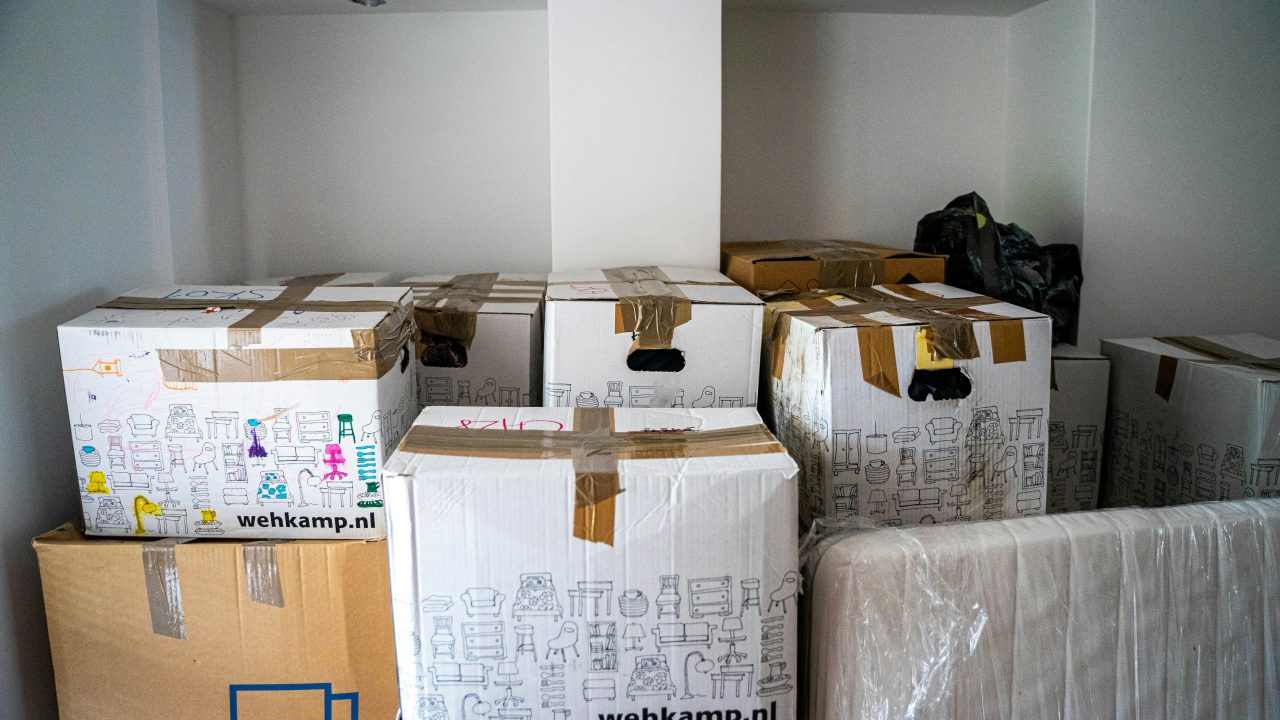
Photo by Michal Balog on Unsplash
Planning a move from Lititz and not sure whether it counts as “local” or “long-distance”? The label matters more than you might think. It affects which regulations apply, how your movers price the job, what insurance rules protect you, and even what documents you should receive.
1. The Industry’s Basic Distance Rules
Most moving companies use simple yardsticks to classify moves:
- Local move (industry view): typically within a 50–100 mile radius, within the same city, county, or metro area; usually completed in a single day and billed hourly.
- Long-distance move (industry view): commonly over 100 miles or crossing state lines. Many movers refer to this as the “100-mile rule.”
There are gray areas. Some companies treat 150+ mile in-state moves as long-distance, while others don’t classify a move as long-distance until it’s 400+ miles. That’s why the same Lititz-to-Philadelphia move (about 74–76 miles) might be priced and labeled differently by different movers.
2. The Pennsylvania Difference: The 40-Mile Tariff Line
Inside Pennsylvania, the key threshold is not 100 miles but 40 miles. The Pennsylvania Public Utility Commission (PUC) regulates household goods movers and sets a tariff system:
- 40 miles or less (origin to destination): the move is billed at an hourly rate under the PUC tariff.
- Over 40 miles, but still within PA: the move is billed based on weight + mileage, even though it’s still an intrastate move.
From Lititz, this leads to some surprises:
- Lititz → Ephrata (~8 mi), Lancaster City (~9 mi), York (~35 mi): clearly local and under the 40-mile PUC line, typically hourly.
- Lititz → Harrisburg (~40 mi): right on the hourly vs. weight/mileage line.
- Lititz → Philadelphia (~74–76 mi): still in Pennsylvania and under 100 miles, but already in the PUC’s weight + mileage zone.
Key consumer protections also depend on this classification. For PA intrastate moves, you are entitled to a written estimate at least 48 hours before the move, a detailed inventory (which can be waived under 40 miles), and the state’s 10% rule: if the final bill is more than 10% above the estimate, you only have to pay the estimate plus 10% (or $25, whichever is greater) on move day; the remainder can be billed within 15 days.
3. Interstate Moves: Automatically Long-Distance
Cross a state line and the rules change. Any move from Lititz that leaves Pennsylvania becomes an interstate move, regulated by the Federal Motor Carrier Safety Administration (FMCSA) under 49 CFR Part 375. The distance no longer matters for classification:
- Lititz → Baltimore (~81 mi): only slightly farther than Philadelphia, but now interstate and treated as long-distance under federal law.
- Lititz → Washington, D.C. (~120 mi), Morgantown, WV (~239 mi): definitely long-distance, interstate.
For interstate moves, the mover must have a valid USDOT number and an active MC number (federal operating authority), maintain at least $750,000 in liability coverage, and typically hold a $75,000 surety bond. They must also provide the booklet Your Rights and Responsibilities When You Move and follow the federal 110% rule for non-binding estimates (they cannot require you to pay more than 110% of that estimate at delivery).
You can verify interstate credentials on the FMCSA’s free SAFER website using the mover’s USDOT number.
4. How Classification Affects Pricing and Estimates
The way your move is labeled usually predicts the pricing structure:
- Local / short intrastate (≤40 mi in PA): hourly rate × number of movers × hours, plus a travel fee. Nationally, a 2-person crew might run anywhere from about $40–$135 per hour with minimums of 2–4 hours. Typical totals range from roughly $500–$3,500 depending on home size.
- Long-distance / interstate or long intrastate (>40 mi in PA): mostly based on shipment weight + mileage (sometimes cubic footage). Interstate per-pound rates often run around $0.50–$0.80 per pound, with full-house moves ranging from about $1,500–$8,500+ and more for cross-country.
Estimate type is another signal:
- Binding estimate: total price is locked; you pay that amount at delivery.
- Non-binding estimate: in PA, subject to the 10% rule; for interstate, subject to the 110% rule at delivery.
5. A Quick Self-Check: Which Move Are You Planning?
- Does your route cross a state line? If yes, it is interstate and long-distance by regulation, even if under 100 miles.
- Is your destination over 100 miles away? If yes, most companies will treat it as long-distance.
- Is your destination more than 40 miles away but still in PA? Expect PA’s weight + mileage tariff instead of simple hourly billing.
- Can the move be done in one day with a single crew? Operationally it behaves like a local move, even if the pricing model is long-distance.
- Is your quote hourly or based on weight/mileage? That usually reveals how the mover has classified the job.
When you speak with a moving company in Lititz PA, ask explicitly: “Are you treating this as local, intrastate long-distance, or interstate long-distance, and which rules apply?” A clear answer will help you compare quotes fairly, understand your protections, and plan your budget with fewer surprises.
Buy Me A Coffee
The Havok Journal seeks to serve as a voice of the Veteran and First Responder communities through a focus on current affairs and articles of interest to the public in general, and the veteran community in particular. We strive to offer timely, current, and informative content, with the occasional piece focused on entertainment. We are continually expanding and striving to improve the readers’ experience.
© 2026 The Havok Journal
The Havok Journal welcomes re-posting of our original content as long as it is done in compliance with our Terms of Use.


