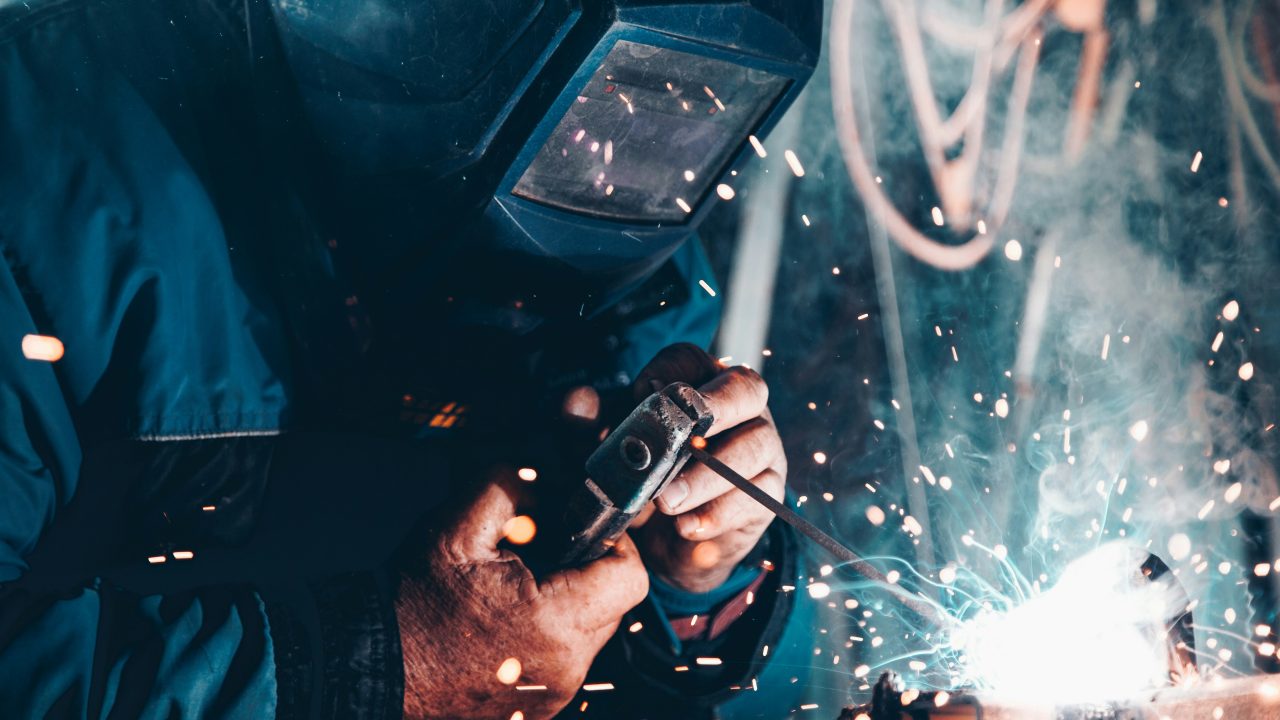
Photo by Christopher Burns on Unsplash
Welding is an important process used across many industries, including construction and automotive. Whether you’re just starting or have experience, knowing how to use welding equipment safely is key. Poor handling can lead to accidents, damage, or bad work.
There’s a lot to learn, but it can be easy. We will explain everything in a friendly way. Let’s look at how to ensure both your safety and the quality of your work.
Welding Machines
The welding machine is a key part of any welding setup. If you use a MIG, TIG, or stick welder, you need to know how to operate these machines. Start by reading the machine’s manual. Each machine has specific guidelines on voltage settings, wire feed speeds, and material types. Ignoring these can result in poor welding and may damage your machine.
Before you weld, make sure your welding machines are in a clean and tidy space. Check for any wear or damage to the cables and connectors, as faulty wiring can be very dangerous. If you’re using a gas-shielded machine, double-check your gas supply. A clear connection helps ensure a smooth welding process.
When you’re ready to weld, wear the right personal protective equipment (PPE). This includes a welding helmet with the correct lens shade, gloves, and a fire-resistant jacket. Always wear safety gear. Your eyes and skin are at risk from the bright light and heat of welding.
Welding Supplies
Having the right welding supplies is also crucial for a successful job. This includes electrodes, filler materials, and shielding gases, depending on your welding method. Choose high-quality supplies that match the type of metal you are working on. Using the wrong electrode can lead to poor weld quality or failure.
Store your supplies properly in a dry place to avoid corrosion or contamination. This is especially important for welding rods and filler materials, which can absorb moisture and affect their performance. Keeping your supplies organized can help make welding easier and let you focus on your work.
Also, having the right tools like pliers, brushes, and a welding cart can improve your workflow. A dedicated workspace with everything you need means you won’t waste time looking for tools or cleaning up while you work. This helps you concentrate on your task and do better work.
Safety First
Always put safety first when you use welding equipment. Keep your machines and supplies well-maintained. This keeps them working properly and helps prevent accidents. Check your equipment regularly for any wear and tear. A small problem can turn dangerous if you don’t fix it.
Make sure your workspace has good ventilation. Welding creates fumes and gases that can be harmful if you breathe them in too much. A well-ventilated area reduces these risks. If you work indoors, use fume extractors to keep the air clean.
Communicating with those around you is also important. Welding can be risky not just for the welder, but for others nearby. Let your team or anyone close by know before you start welding. Use clear signals to show when it’s safe to come close or when you are welding.
Proper Techniques
It’s just as important to use proper welding techniques. Good techniques lead to better results and improve safety. Keep a steady hand and a consistent speed while welding. This helps create strong, clean welds. Practice on scrap metal before starting your main project to build your skills and confidence.
Understand the materials you are welding. Different metals react differently to heat and may need different methods. For example, aluminum requires different techniques and settings than steel. Knowing these differences will improve your work quality and reduce mistakes.
Don’t hesitate to ask for help or seek training if you are new to welding or facing a tough project. Experienced welders can offer valuable advice and help you learn faster.
Common Welding Techniques
There are several important welding techniques to learn. Knowing these will help you complete different projects more effectively.
Metal Inert Gas (MIG) welding is one of the most popular methods because it is versatile and easy to use. This technique feeds a wire electrode continuously and uses an inert gas to protect the weld from contamination. It is great for thin materials and allows for fast work, making it a good choice for beginners.
Tungsten Inert Gas (TIG) welding is a more precise technique that uses a non-consumable tungsten electrode. This method is ideal for welding thin metals and provides greater control over the weld. It requires more skill to master, but it often produces stronger and cleaner welds.
Welding Projects for Beginners
Starting with small projects is a great way to build your welding skills and gain confidence. Try making a small picture frame or a shelf. This will help you practice making straight cuts and joining pieces together. You can also try out different welds and techniques.
By tackling these manageable projects, you can improve your welding skills and gradually take on more complicated tasks. Always remember to prioritize safety and use effective methods as you go. Happy welding!
Buy Me A Coffee
The Havok Journal seeks to serve as a voice of the Veteran and First Responder communities through a focus on current affairs and articles of interest to the public in general, and the veteran community in particular. We strive to offer timely, current, and informative content, with the occasional piece focused on entertainment. We are continually expanding and striving to improve the readers’ experience.
© 2026 The Havok Journal
The Havok Journal welcomes re-posting of our original content as long as it is done in compliance with our Terms of Use.