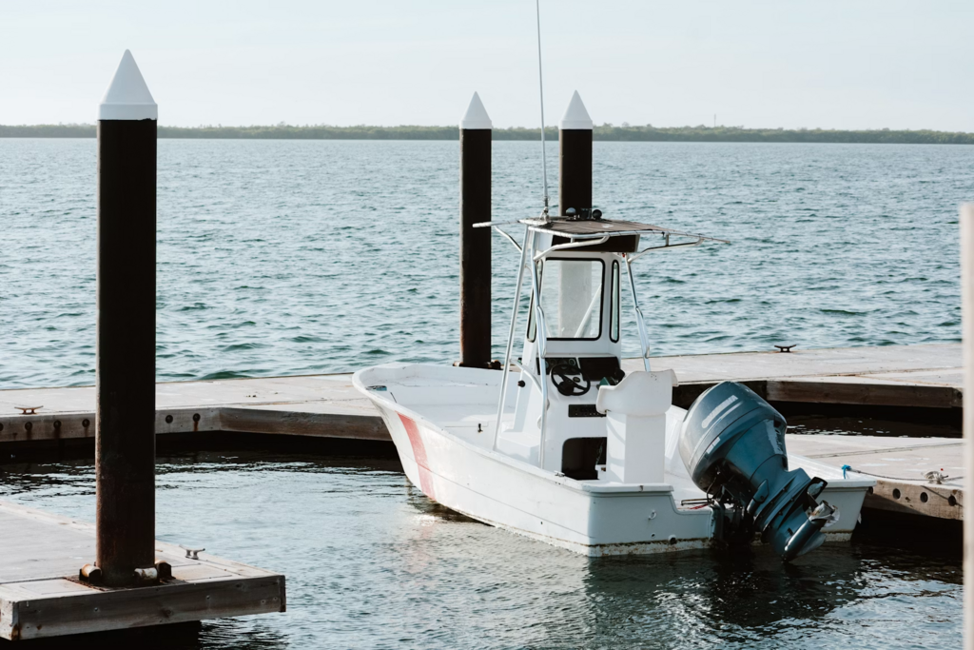
Across shallow marshes, winding bayous, and debris-choked backwaters, a specialized piece of equipment is quietly transforming how guides, conservationists, and outdoor enthusiasts navigate some of the country’s most inaccessible terrain. Long-tail mud motor kits—engineered to power small boats through conditions that would strand conventional outboards—have become essential tools for eco-tourism operators working in fragile ecosystems where traditional propulsion fails.
These kits convert standard watercraft into shallow-draft vessels capable of traversing inches-deep water, dense vegetation, and muddy bottoms. For ventures focused on wildlife observation, habitat restoration, or backcountry exploration, the technology represents both opportunity and responsibility: access to pristine areas comes with the obligation to minimize ecological disruption.
What Makes a Mud Motor Different
A long-tail mud motor kit typically includes three core components:
- An extended shaft that positions the propeller well behind the transom, allowing navigation over submerged obstacles.
- A shallow-pitch propeller designed to generate thrust in minimal water depth.
- Mounting hardware engineered for quick installation on flat-bottom boats and jon boats.
The design addresses a fundamental challenge in wetland navigation. Conventional outboards require sufficient water depth to submerge their lower units; mud motors operate effectively in conditions where propellers would otherwise strike bottom or tangle in vegetation. This capability opens access to ecosystems—from coastal salt marshes to inland swamps—that remain largely untouched by motorized traffic.
The technology has evolved considerably since its origins in the hunting and fishing communities of the Gulf Coast and the Mississippi Delta. Early versions were often improvised from repurposed engines and hand-fabricated shafts.
Navigating the Options: Surface Drive vs. Long Tail Configurations
Not all mud motors are built for the same conditions. Understanding the distinctions helps operators match equipment to the environment:
- Surface Drive Systems: These units position the propeller at or just below the waterline, creating thrust through surface turbulence rather than deep-water displacement. They excel in extremely shallow conditions and can push through vegetation mats, but they sacrifice some efficiency in open water and generate more noise than submerged designs.
- Long Tail Motors: Characterized by extended shafts that place the propeller several feet behind the boat, these motors offer versatility across varying depths. The design allows operators to raise or lower the propeller to match conditions, making them effective in narrow channels where water levels fluctuate. They’re quieter than surface drives but require more clearance behind the transom.
- Heavy-Duty Configurations: Built for navigating through logjams and dense debris fields, these reinforced systems feature strengthened shafts and protective guards. They’re favored in flooded timber and beaver-dam environments where impacts are inevitable, though the added weight reduces portability.
The choice depends on specific operational requirements: water depth variability, vegetation density, typical load weights, and the frequency of encounters with submerged obstacles. Operators working in multiple environments sometimes maintain different configurations for different conditions.
The DIY Approach: Custom Builds and Trade-Offs
For operators with mechanical aptitude and tight budgets, building a custom mud motor remains an option. The process requires sourcing compatible components and careful assembly:
- Engine Selection: Small air-cooled engines in the 8-26 horsepower range provide adequate thrust for most applications. Four-stroke designs offer better fuel efficiency and quieter operation than two-stroke alternatives.
- Shaft and Propeller Matching: The shaft length must account for boat design and typical operating conditions. Propeller selection involves balancing pitch, diameter, and blade configuration to match engine power and expected loads.
- Frame Construction: The mounting frame must distribute engine weight and absorb vibration while allowing for tilt adjustment. Welded aluminum or reinforced steel provides durability without excessive weight.
- Drive System Assembly: Connecting the engine to the propeller shaft requires proper alignment and secure fastening. Chain or belt drives need tensioning mechanisms and guards to prevent debris interference.
- Testing and Refinement: Initial water trials reveal performance issues that require adjustment—propeller changes, weight distribution modifications, or mounting angle corrections.
Several kit manufacturers serve the custom mud motor market, including Beaver Dam Mud Runners, Swamp Runner, and Gator Tail — each offering components that simplify the build process while preserving flexibility around shaft length, propeller design, and hull mounting configurations.
The trade-off involves time investment and technical risk. Poorly assembled systems can fail in remote locations, and improper propeller selection can damage engines or create safety hazards. Commercial units include engineering refinements and warranty protection that DIY builds lack.
Environmental Considerations in Sensitive Habitats
Motorized access to fragile ecosystems carries inherent risks. Research on recreational watercraft impacts documents effects ranging from shoreline erosion to wildlife disturbance, with consequences that vary by habitat type and usage intensity.
Responsible operation in eco-tourism contexts requires attention to several factors:
- Propeller Strike Risk: In shallow waters inhabited by manatees, sea turtles, or other vulnerable species, propeller injuries represent a serious concern. Operators should maintain awareness of wildlife presence and reduce speeds in known habitats.
- Sediment Disturbance: Propeller wash in shallow areas can resuspend bottom sediments, increasing turbidity and potentially releasing nutrients that fuel algal blooms. Minimizing time spent in extremely shallow zones reduces this impact.
- Noise Pollution: Engine noise affects wildlife behavior, particularly during breeding seasons or in areas with limited human presence. Four-stroke engines with proper mufflers significantly reduce acoustic signatures compared to older two-stroke designs.
- Fuel and Oil Contamination: Two-stroke engines that mix oil with fuel release unburned hydrocarbons directly into the water. Four-stroke alternatives eliminate this source of pollution, though proper maintenance remains essential to prevent leaks.
- Vegetation Damage: Repeated passage through emergent vegetation can create permanent channels and alter plant community composition. Varying routes and limiting trips through sensitive areas help preserve habitat structure. To learn more about prioritizing habitat conservation, refer to this detailed journal article.
Economic Dimensions of Backcountry Access
The ability to reach remote waterways creates economic opportunities in regions where traditional tourism infrastructure remains limited. Small operators can establish guide services, photography expeditions, or educational programs with relatively modest capital investment compared to larger vessel operations.
In coastal Louisiana, for example, mud motor-equipped boats have enabled fishing guides to access marsh areas recovering from hurricane damage, maintaining livelihoods while larger charter operations remained sidelined. Similar patterns appear in the Everglades, where shallow-draft access supports both recreational fishing and ecological research activities.
The economic benefits extend to equipment suppliers, repair services, and related businesses in rural communities. A single eco-tourism operation may support fuel sales, lodging, food service, and other local spending that multiplies the direct revenue from guide fees or tour bookings.
However, the economic calculus includes costs beyond initial equipment purchase. Fuel consumption, maintenance requirements, insurance, and licensing fees accumulate over operating seasons. Operators must also account for the time investment in route scouting, safety training, and developing the local knowledge that distinguishes professional services from casual recreation.
Selecting Equipment for Specific Applications
Choosing appropriate mud motor equipment requires evaluating several operational factors:
- Typical Water Conditions: Consistent shallow-water operation favors surface drive systems, while variable depths benefit from adjustable long tail configurations. Operators should assess the shallowest conditions they’ll regularly encounter.
- Boat Compatibility: Hull design affects motor performance. Flat-bottom jon boats and specialized mud boats work well with most systems, but modified V-hulls or boats with complex transoms may require custom mounting solutions.
- Load Requirements: Passenger capacity, gear weight, and fuel loads determine necessary horsepower. Underpowered systems struggle in current or wind, while oversized engines add weight and fuel consumption without performance benefits.
- Maintenance Access: Remote operations demand reliable equipment with straightforward maintenance requirements. Systems with readily available parts and simple repair procedures reduce downtime risks.
- Regulatory Compliance: Some jurisdictions restrict engine types, horsepower limits, or noise levels in certain waterways. Verifying local regulations before purchase prevents costly compliance issues.
Consulting with experienced operators in similar environments provides insights that specifications alone don’t reveal. Regional differences in water chemistry, vegetation types, and seasonal conditions affect equipment longevity and performance in ways that become apparent only through extended use.
Operational Best Practices
Effective mud motor operation involves techniques distinct from conventional boating:
- Trim Adjustment: Continuously adjusting the motor angle optimizes thrust and prevents propeller strikes. Operators develop intuition for reading water depth and adjusting trim accordingly.
- Vegetation Navigation: Rather than powering through dense growth, experienced operators identify natural channels and openings that minimize plant damage and reduce engine strain.
- Current Management: In tidal areas or rivers, working with current rather than against it conserves fuel and reduces travel time. Route planning should account for tidal cycles and seasonal flow patterns.
- Emergency Preparedness: Remote operation requires backup propulsion (push poles or paddles), communication equipment, and knowledge of alternative routes. Mechanical failures in inaccessible areas can create serious safety situations.
- Seasonal Adaptation: Water levels, vegetation growth, and wildlife activity vary seasonally. Successful operators adjust routes, timing, and techniques to match changing conditions throughout the year.
Safety considerations extend beyond equipment reliability. Shallow-water environments often lack the visual references that aid navigation in open water. GPS units with detailed mapping, knowledge of local landmarks, and awareness of weather patterns become essential skills for professional operation.
The Future of Low-Impact Waterway Access
As interest in eco-tourism grows and pressure increases on accessible natural areas, the role of specialized equipment like mud motors will likely expand. Technological developments point toward quieter electric propulsion systems, though battery capacity currently limits range in remote applications. Hybrid designs that combine electric motors for quiet operation in sensitive areas with combustion engines for longer-range travel may offer future solutions.
Regulatory frameworks are also evolving. Some protected areas now require permits for motorized access, implement seasonal closures, or designate specific routes to concentrate impacts. Operators who engage proactively with management agencies and demonstrate commitment to conservation principles often gain preferential access and help shape policies that balance protection with appropriate use.
The broader challenge involves maintaining the ecological integrity that makes these areas valuable while providing access that builds public support for conservation. Mud motors enable that access, but the responsibility for minimizing impacts rests with the operators who deploy them. The most successful eco-tourism ventures recognize that their long-term viability depends on preserving the resources that attract visitors—a reality that should inform every operational decision from equipment selection to route planning.
For those considering mud motor-based operations, the path forward requires balancing technical capability, environmental stewardship, and business sustainability. The equipment provides access; the operator’s judgment determines whether that access serves conservation or undermines it.
Buy Me A Coffee
The Havok Journal seeks to serve as a voice of the Veteran and First Responder communities through a focus on current affairs and articles of interest to the public in general, and the veteran community in particular. We strive to offer timely, current, and informative content, with the occasional piece focused on entertainment. We are continually expanding and striving to improve the readers’ experience.
© 2026 The Havok Journal
The Havok Journal welcomes re-posting of our original content as long as it is done in compliance with our Terms of Use.


