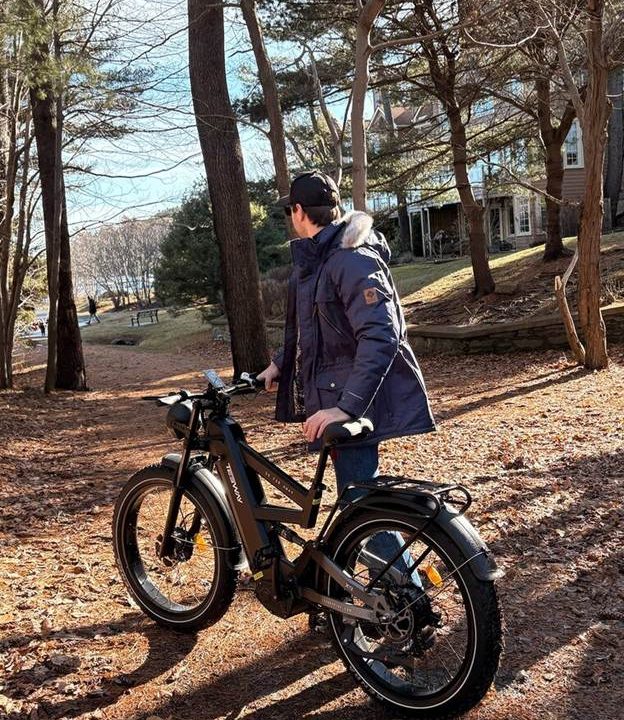
Choosing an electric bike involves more than picking a frame style or battery size. The motor system has a direct effect on power, traction, climbing ability, and comfort. For riders who want an e bike for daily use, weekend trips, or longer outdoor rides, the choice between a single motor and a dual motor setup matters.
Some riders need a simple bike for short trips on paved roads. Others want stronger support for hills, cargo, rough surfaces, and longer distances. That is where the difference becomes clear. A dual motor electric bike and a single motor electric bike can both serve a purpose, but they do not deliver the same riding experience.
Single Motor and Dual Motor
A single motor electric bike uses one motor to provide assistance. In most cases, that motor is placed in either the rear wheel or the middle of the bike. This setup gives the rider steady support for everyday riding and works well for lighter use.
A dual motor electric bike uses two motors instead of one. One motor powers the front wheel, and the other powers the rear wheel. This creates all wheel drive support, which gives the bike more traction and a stronger response when the road or trail becomes more demanding.
The difference is not only about having more power. It is also about how that power is delivered. A single motor sends assistance through one point. A dual motor system spreads that support across both wheels, which changes how the bike accelerates, climbs, and handles difficult terrain.
Power Output and Acceleration
Motor performance becomes noticeable as soon as the rider starts moving. A single motor bike can feel smooth and capable on flat roads or light inclines. For city riding and casual use, that may be enough.
The situation changes when the rider carries more weight or rides on steeper hills. A single motor has less reserve power in those moments, so acceleration can feel slower and the bike may require more effort from the rider.
A dual motor electric bike offers stronger acceleration because both motors work together. This makes starts from a stop feel more controlled and more confident. It also helps the bike maintain momentum when the rider is climbing hills or crossing loose ground.
For riders who want a bike that feels more capable across a wider range of conditions, the added motor support makes a clear difference.
Traction on Roads, Gravel, and Loose Surfaces
Traction is one of the most important parts of a safe and stable ride. Roads are not always dry, smooth, or predictable. Riders may face gravel, wet pavement, sand, dirt paths, or uneven ground during a normal trip.
A single motor bike sends power to one wheel. If that wheel loses grip, the bike can feel less stable. This is especially noticeable on surfaces that shift under pressure.
A dual motor electric bike improves traction by sending power to both wheels. That added grip helps the bike move forward more smoothly when the surface is loose or slippery. It also gives the rider more confidence when turning, climbing, or starting from a stop on uneven ground.
This advantage matters even more for riders who travel beyond city streets or who want an e bike for mixed terrain.
Climbing Hills and Carrying Extra Weight
Hills and cargo both put extra demand on an electric bike. A rider may be carrying groceries, gear, or other supplies. Even body weight alone can change how the bike performs when the road tilts upward.
A single motor bike can still handle moderate hills, but performance often depends on how much weight the bike is carrying and how steep the climb becomes. In those situations, the rider may feel the system working harder.
A dual motor electric bike is better equipped for that kind of demand. Two motors provide stronger combined output, which helps the bike climb with less strain. The ride feels more stable, and the rider does not need to rely as heavily on physical effort to keep moving.
This is one reason dual motor systems appeal to older riders and anyone who wants a more relaxed riding experience without giving up capability.
Battery Range and Riding Distance
Some riders assume that a single motor bike is always the better option for range. It is true that one motor can use less energy in certain situations. However, range depends on more than motor count alone.
Battery size, riding mode, terrain, rider weight, and average speed all affect distance. A bike with a large battery can still qualify as a strong long range electric bike even if it uses two motors.
That is why some dual motor models offer impressive range. When a dual motor system is paired with a high capacity battery, the rider gets both power and distance in one setup. This is especially valuable for people who want to ride farther without giving up climbing ability or stability.
For many riders, the best choice is not simply the system that uses less power. It is the system that matches their full riding needs over the course of a real trip.

Comfort and Control Over Longer Rides
Longer rides place more pressure on the bike and the rider. Small differences in performance become more noticeable over time. A bike that feels fine on a short ride may feel less supportive after several miles of hills, changing surfaces, or repeated stops.
A long range electric bike should do more than cover distance. It should also make distance feel manageable. That means steady assistance, predictable handling, and less physical strain.
A dual motor electric bike supports this kind of riding well because it reduces effort during climbs and improves control when the route changes. Riders can stay more relaxed and focus less on overcoming difficult sections.
This does not mean every rider needs dual motors. A single motor can still be a practical choice for simple, short, and predictable routes. The point is that comfort over distance often depends on how much support the bike can provide when conditions are less than perfect.
Which Riders Benefit More from a Single Motor
A single motor bike works well for riders with straightforward needs. It is often a good fit for paved streets, short errands, and lighter daily use. Riders who stay on flatter roads and do not carry much extra weight may find that one motor gives them enough support.
This kind of setup can also appeal to people who want a simpler ride experience. If the bike is mainly used for neighborhood travel, short commutes, or casual rides in fair weather, a single motor may be enough.
The key is to match the bike to the job. A rider with modest demands does not always need the extra capability of a dual motor system.
Which Riders Benefit More from a Dual Motor
A dual motor electric bike is a stronger option for riders who want versatility. It works better for mixed terrain, hills, heavier loads, and routes that include both paved and unpaved surfaces.
It also suits riders who want more confidence from the bike itself. Better traction, stronger acceleration, and improved climbing support all make the ride feel more secure. This matters for outdoor riders, older adults, and anyone who wants to reduce effort without limiting where they can go.
For many people, a dual motor setup is not about extreme riding. It is about having enough support to handle different situations with less stress.
How Tesway Dual Motor E-Bikes Fit Different Riding Needs
Tesway offers several examples of how a dual motor electric bike can serve different riders.
The Tesway X7 AWD and Tesway X5 AWD both use dual motors with a combined peak power of 3600W. They also use a 52V 60Ah battery and deliver up to 200 miles of range with pedal assist. That makes them strong choices for riders who want a long range electric bike with the power to handle hills, cargo, and changing terrain.
The X5 AWD is a step through model, which makes it easier to get on and off. That can be especially useful for older riders or anyone who values convenience during daily use. The X7 AWD uses a step over frame, which gives a more traditional riding feel.
The Tesway X9 AWD is also a dual motor electric bike. It delivers peak power of 4000W, reaches speeds up to 40 mph, and supports a maximum load of 400 lbs. Its range reaches up to 120 miles, which makes it a strong option for riders who want more output and higher carrying capacity for demanding outdoor trips.
These models show that dual motor bikes can meet different priorities. Some riders want the greatest possible range. Others want stronger performance and more load support. A dual motor setup can serve both goals when the bike is built for the right purpose.
Final Thoughts
The choice between single motor and dual motor comes down to how and where you ride. A single motor bike can work well for lighter use on simple routes. It offers reliable support for riders with modest daily needs.
A dual motor electric bike gives the rider more power, more traction, and more flexibility. It handles hills, cargo, mixed terrain, and longer rides with greater confidence. For people looking for a long range electric bike that can do more than basic commuting, dual motors offer a clear advantage.
The right bike should match your routine, your terrain, and your expectations. If you want stronger support across more situations, a dual motor system is often the better choice.
Buy Me A Coffee
The Havok Journal seeks to serve as a voice of the Veteran and First Responder communities through a focus on current affairs and articles of interest to the public in general, and the veteran community in particular. We strive to offer timely, current, and informative content, with the occasional piece focused on entertainment. We are continually expanding and striving to improve the readers’ experience.
© 2026 The Havok Journal
The Havok Journal welcomes re-posting of our original content as long as it is done in compliance with our Terms of Use.


