Image from UK Radiators
Leaving military service means adjusting to a different pace of normal life. The structure, routines, and environment that once defined daily life are suddenly replaced with a level of freedom that often feels both refreshing and unfamiliar. For many veterans, home becomes the place where this transition unfolds. It’s where new routines form, reflection happens, and physical and mental recovery can take place.
Creating a personal sanctuary at home does not require a complete renovation or expensive redesign. Often, small improvements make the biggest difference. Thoughtful adjustments to lighting, temperature, layout, and dedicated quiet spaces can help transform a house into a retreat that supports rest, focus, and everyday comfort. For veterans adapting to post-service life, these changes can help build a sense of stability and control in a new chapter.
Designing Quiet Spaces for Reflection and Hobbies
In military life, personal space can be limited. Shared living quarters, operational environments, and demanding schedules often leave little room for solitude. Once back in civilian life, having a quiet corner of the home dedicated to personal interests can be surprisingly meaningful.
A personal sanctuary begins with identifying a place that feels separate from daily distractions. This might be a spare room, a converted corner of the living room, or even a well-organized area in a garage or basement. What matters most is that the space feels intentionally designed for calm and focus.
Some veterans use these areas for hobbies that help them unwind. Reading, woodworking, writing, model building, painting, or practicing music are examples of activities that benefit from a dedicated environment. Even something as simple as a comfortable chair near a window can become a reliable place for reflection.
Keeping the space uncluttered also helps reinforce its purpose. Simple shelving, practical storage solutions, and minimal distractions make it easier to settle into the moment and focus on the activity at hand.
Temperature and Comfort Throughout the Year
Temperature plays a larger role in comfort than many people realize. A room that is slightly too cold or too warm can make it difficult to concentrate, relax, or sleep. Creating a personal sanctuary means maintaining a space where the temperature remains steady throughout the year.
Older homes, in particular, may have heating systems that struggle to distribute heat evenly. In these situations, updating individual heating elements can make a noticeable difference in comfort.
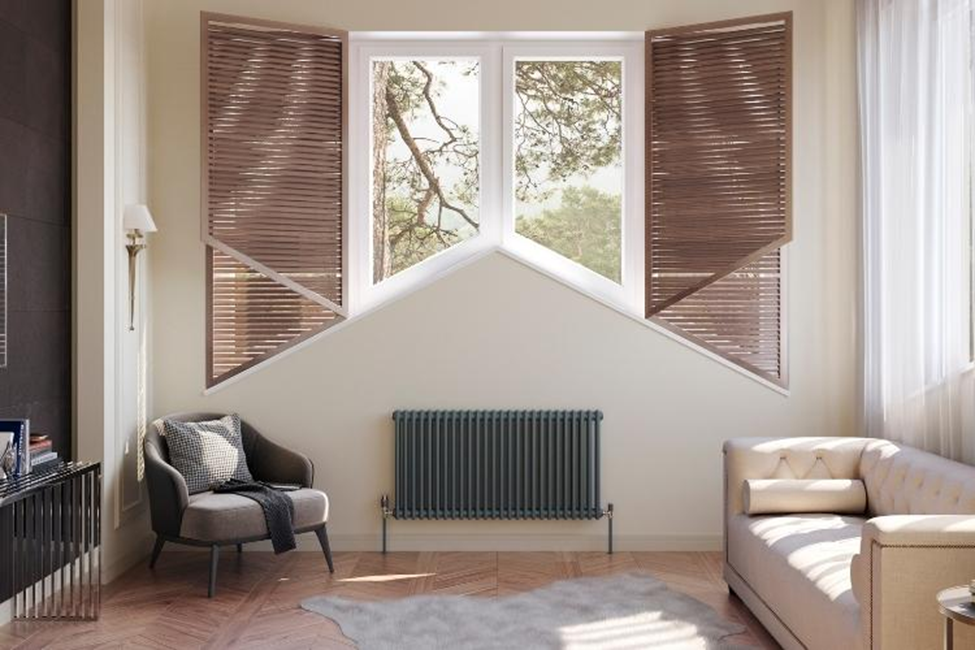
If you’re looking for improved temperature control, consider modern options like a column radiator, which provides consistent heat while fitting naturally into a variety of interior styles. Companies like UK Radiators offer designs that combine efficient heating with a classic appearance, making them suitable for living areas, reading corners, or hobby rooms where steady warmth contributes to a relaxing environment. When a room maintains a stable temperature, it becomes easier to use that space regularly rather than avoid it during colder months.
The Role of Lighting in Creating a Calming Environment
Lighting significantly influences how a space feels. Harsh overhead lights can make a room feel sterile, while thoughtful lighting choices create a more relaxed atmosphere.
Natural light is one of the most effective ways to improve a room’s mood. Positioning a desk, reading chair, or hobby station near a window can bring a sense of openness and calm to the space. When natural light is limited, layered lighting can help recreate a softer environment.
Table lamps, wall lights, and floor lamps offer flexibility that a single ceiling fixture can’t provide. Warm-toned bulbs tend to create a more comfortable atmosphere than bright white lighting, particularly in spaces intended for relaxation.
Another useful approach is to divide lighting by purpose. Task lighting works well for reading or hands-on hobbies, while softer ambient lighting can make the room feel more inviting when the goal is to unwind after a long day.
Improving Layout for Flow and Function
A room’s layout can either support relaxation or quietly work against it. Furniture placement, traffic flow, and the arrangement of objects all influence how comfortable a space feels.
Start by thinking about the room’s primary purpose. If the area is intended for reading or quiet hobbies, seating should be arranged to encourage focus and comfort. A chair placed near a light source with a small table for books or tools creates a practical setup that invites regular use.
Clear walkways are also important. When a room feels cramped or cluttered, it becomes harder to fully relax within it. Rearranging furniture to allow easier movement often improves the feel of the space without requiring any new purchases.
Some homeowners also find that reducing visual clutter helps reinforce the sense of calm they want from their sanctuary. Removing unused furniture, simplifying decorations, and storing unnecessary items elsewhere can dramatically change how a room feels.
Small Improvements That Deliver Long-Term Comfort
Creating a personal retreat at home is rarely about a single major upgrade. Instead, it often comes from a collection of smaller improvements that work together.
Comfortable seating is one of the most practical upgrades. A well-built chair or supportive sofa encourages longer periods of reading, reflection, or creative work. Adding soft textures such as rugs, cushions, and blankets can also make a space feel warmer and more inviting.
Sound control can be another valuable improvement. Thick curtains, bookshelves, and rugs help reduce noise from other parts of the home, creating a quieter atmosphere that supports relaxation.
Heating improvements can also contribute to long-term comfort. UK Radiators, for example, offers options that allow homeowners to upgrade their heating in ways that support both function and interior design. When temperature, lighting, and layout work together, the room becomes a place that people naturally return to.
Building a Space That Supports Post-Service Life
Transitioning from military service into civilian life is a process that unfolds over time. While external responsibilities change, the need for a stable and supportive home environment remains constant.
A personal sanctuary offers a place to recharge, focus on hobbies, or simply enjoy a quiet moment after a busy day. By making thoughtful improvements to lighting, temperature, and layout, veterans can shape their living spaces to support both comfort and routine.
These changes don’t need to happen all at once. Even small adjustments can begin to shift how a space feels and how often it’s used. Over time, those improvements help transform an ordinary room into a place where rest, reflection, and everyday life come together in a balanced way.
Buy Me A Coffee
The Havok Journal seeks to serve as a voice of the Veteran and First Responder communities through a focus on current affairs and articles of interest to the public in general, and the veteran community in particular. We strive to offer timely, current, and informative content, with the occasional piece focused on entertainment. We are continually expanding and striving to improve the readers’ experience.
© 2026 The Havok Journal
The Havok Journal welcomes re-posting of our original content as long as it is done in compliance with our Terms of Use.


