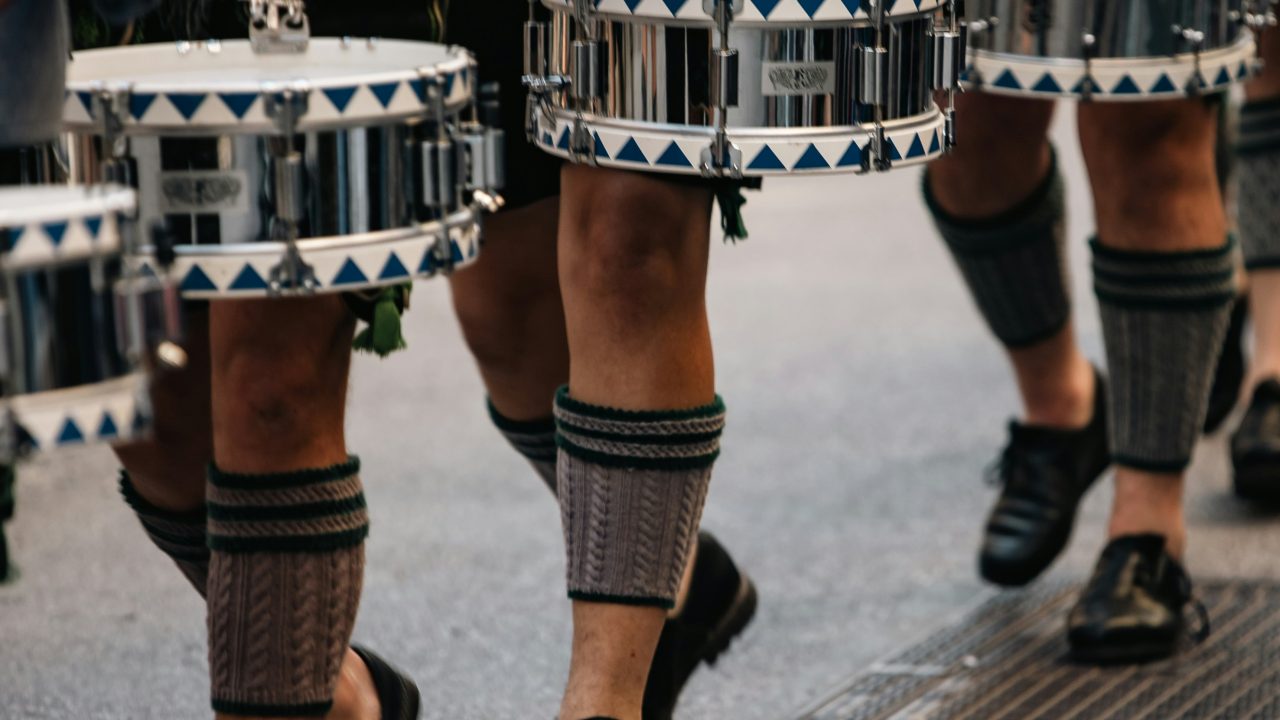
Photo by Shutter Speed on Unsplash
Lederhosen have passed down fashion trends for centuries and are still growing strong. Most people pulling on lederhosen in September for Oktoberfest have no idea what that garment survived to get there.
Bavarian leather breeches started as mountain workwear. Nobles stole it, and Jeans killed it. Later, the Nationalists weaponized the Bavarian lederhosen. Somehow it came back stronger than before.
Finally, Bavarian lederhosen achieved the status of official Oktoberfest outfit and also inspired major fashion trends based on their practicality, durability, and innovative designs.
Alpine Men’s Workwear Origins
The farmers and hunters of Alpine regions required clothing that could withstand the harsh environment while allowing movement. Available fabrics and trousers were not sturdy enough for this job.
Lederhosen were introduced utilizing genuine animal leather for making. The earliest versions were short, gave freedom of movement for climbing, and used traditional tanning methods to keep the hide flexible rather than stiff. Craftsmen in different valleys produced their own variations of leather breeches. Bavaria kept the shortcut in warm brown.
Significant Events that Shaped the Lederhosen Fashion
The sequence of major historical events shaping the lederhosen trends is:
1600s: Inspiration from French Fashion
In the 16th century, the French popularized breeches made with expensive fabrics. Alpine craftsmen borrowed this style of pants and applied it to leather. As a result, leather breeches were created that were more reliable for physical work.
The Hosenlatz, the large front flap, was a Bavarian construction detail. It became so recognizable that by the 1700s, the drop front style carried a specific French name: à la bavaroise which translates to ‘the Bavarian style’.
1800s: Nobles Start Wearing Peasant Trousers
By the 17th century, the upper class started wanting lederhosen. The nobles started wearing embroidered lederhosen for hunting trips and outdoor pursuits. They preferred deerskin over cowhide and added embroidery for decoration, turning a simple workwear item into a status symbol.
This did not last as the fashions shifted and the nobility moved on. The people doing the actual farm work kept wearing them.
1810s: Lederhosen at the First Oktoberfest
In October 1810, the wedding of the crown prince took place, and the whole of Munich city attended in their everyday Alpine clothing. Workers wore cowhide. Wealthier guests came in deerskin. Nobody used the word traditional. It was just what people wore. This was the basis of attending the Oktoberfest in lederhosen.
The idea that lederhosen were traditional dress came decades later, after people had mostly stopped wearing them. Scarcity creates significance.
1883: A Church Ban and a Royal Endorsement of Lederhosen
In 1883, a schoolteacher named Joseph Vogl founded a society to preserve Bavarian traditional outfits. He, along with his students, attended a church service in short cut lederhosen. The priest abolished this act and demanded a ban on lederhosen. King Ludwig II although supported the lederhosen and in this way the royalty endorsed lederhosen.
1887: Oktoberfest Officially Adopts Lederhosen
In 1887, the Oktoberfest organizers declared dirndls and lederhosen the official Oktoberfest clothing. That one decision permanently locked the garment to the annual Munich celebration.
It also changed what lederhosen meant. They stopped being everyday functional clothing and became something worn to mark an occasion and express identity. The garment was no longer about work. It was about heritage. This shift is what made the next century so complicated.
1930s to 1945: Lederhosen Nationalized and Damaged Beyond Quick Recovery
During world war 2, the Nazi regime used dirndls and lederhosen for their hypernationalist agenda. Lederhosen appeared in official photography alongside the visual language of Aryan rural purity and German folk identity. This connection did lasting damage.
After the war, traditional Bavarian dress carried the weight of that association. The garment had not changed. The context around it catastrophically changed.
1950s and 1960s: Lederhosen were replaced with Suits at the Weisen
In the early 1970s, lederhosen disappeared from oktoberfest grounds. The players of the most popular football club, Bayern Munich, such as Gerd Müller, attended the Oktoberfest in suits and ties. This further
Visitors came in ordinary clothes. The idea that lederhosen belonged at Oktoberfest had effectively lapsed. The 1887 rule still existed on paper. Nobody was enforcing it.
1972: The Munich Olympics Gave Bavarian Traditional wear a Global Stage
The 1972 Olympics brought international television cameras to Bavaria on a scale that had never happened before. Hostesses wore traditional Bavarian dress. Bavarian folk culture went out on a global broadcast.
The dirndl recovered more visibly from this than the lederhosen did. The lederhosen revival moved more slowly.
1980s: Return of Natural materials and Lederhosen popularity Among Youth
The environmental movements in Germany and Austria demanded handmade things and natural materials. Tracht fits naturally inside this environmental awareness movement.
Young Germans who had rejected traditional dress as old-fashioned or politically biased found that it supports the environment. Lederhosen made from vegetable-tanned leather, and stitched by hand were exactly what the back-to-nature philosophy was reaching for.
2000s: High Fashion Discovers What Bavaria Had All Along
In the 2000s, the high fashion industry started incorporating elements of the Bavarian Tracht into its collections. Lederhosen inspired pieces appeared in European ready-to-wear.
Prominent stars like Ed Sheeran and Robert Downey Jr attended Oktoberfest in lederhosen. These events gave a new life to the lederhosen. Denver, Milwaukee, Cincinnati, and cities across the US held Oktoberfest events. The expectation grew that attendees would wear lederhosen. The market filled the demand with cheaper alternatives. Authentic handmade pairs started competing with polyester costume versions at thirty dollars a unit. That tension defines the market today.
2010s to Now: Slim Cuts, Women’s Versions, and the Slow Fashion Argument
Lederhosen Store, Oktoberfest Wear, Krueger, and other global tracht brands state that young festival-goers pushed demand for slimmer-cut versions through the 2010s. Women’s lederhosen moved from a niche to a mainstream category as women at Oktoberfest increasingly chose leather breeches over dirndls on active festival days.
The sustainability argument also sharpened. And the verdict is in favor of lederhosen. Each authentic pair requires 15 to 20 hours of handwork and uses only natural materials. The oldest surviving pairs in German museums date from the early 1800s and remain intact.
What Does a Full Lederhosen Journey Look Like?
Lederhosen passed through six distinct cultural phases in less than three centuries. Peasant workwear. Aristocratic novelty. Near-extinction. Political symbol. Post-war shame. Global festival standard.
The leather construction never changed. The craftsmen in Bavaria and Austria still use the same tanning methods, the same stitching techniques, the same animal hides as the first makers did. This journey portrays how an authentic traditional attire withstands changing history and still comes back stronger.
Buy Me A Coffee
The Havok Journal seeks to serve as a voice of the Veteran and First Responder communities through a focus on current affairs and articles of interest to the public in general, and the veteran community in particular. We strive to offer timely, current, and informative content, with the occasional piece focused on entertainment. We are continually expanding and striving to improve the readers’ experience.
© 2026 The Havok Journal
The Havok Journal welcomes re-posting of our original content as long as it is done in compliance with our Terms of Use.


