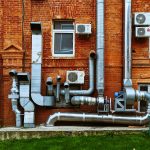
Photo by Marius Matuschzik on Unsplash
Florida heat shows zero mercy during summer afternoons. Indoor air can shift from calm comfort to sticky frustration within minutes as cooling equipment starts to struggle. During AC installation in Zephyrhills, FL, property owners often focus only on unit size or pricing while ignoring airflow planning, drainage setup, insulation strength, or duct condition. Small mistakes during setup can slowly damage cooling performance across future seasons. Smart planning keeps indoor air colder, cleaner, quieter, and far less stressful during brutal heat spikes that attack homes daily.
1. Oversized Units Create Constant Cooling Chaos
Many property owners assume larger cooling equipment means stronger comfort. Reality looks far different. Oversized systems blast cold air rapidly, then shut down before full moisture removal happens. Rooms feel damp. Air feels heavy. Utility bills climb aggressively. Short cycling also places brutal pressure on compressors, capacitors, and blower motors. Components heat up repeatedly during nonstop starting cycles. That pattern slowly damages internal parts.
Proper sizing matters deeply. Contractors usually inspect insulation, room count, ceiling height, sunlight exposure, window placement, and airflow pathways before recommending equipment. Balanced sizing supports colder airflow without forcing equipment into exhausting operation patterns. Steady cooling feels cleaner, calmer, and far more controlled across long summer afternoons.
2. Weak Ductwork Silently Destroys Indoor Comfort
Many cooling problems begin far away from the equipment itself. Damaged ducts leak conditioned air before the cooled airflow even reaches bedrooms or living areas. Some homes lose massive airflow inside attics filled with brutal heat. Crushed duct sections, dirty vents, blocked filters, or loose joints reduce cooling strength dramatically. Rooms near vents may feel cold, while distant spaces stay warm and comfortable.
Property owners calling an AC maintenance company in Zephyrhills, FL, often learn that airflow restriction causes most cooling frustration instead of complete system failure. Strong airflow changes everything. Balanced circulation helps every room maintain stable temperatures. Cleaner airflow also reduces pressure across blower motors and evaporator coils. Small duct repairs can create major indoor comfort improvements without massive equipment replacement costs.
3. Poor Installation Habits Trigger Expensive Damage
Cooling equipment may look impressive during installation day. Hidden problems still develop rapidly after the careless setup work finishes. Loose wiring, bad refrigerant pressure, weak drainage angles, or poor thermostat placement can damage performance within months. Low refrigerant levels create frozen coils. Poor drainage setup may cause water leaks around walls or ceilings. Incorrect thermostat placement causes inaccurate temperature readings, forcing longer operating cycles during hot afternoons.
Careful installation practices support stable cooling during demanding weather conditions. Secure electrical parts, balanced airflow, clean drain lines, and correct refrigerant pressure protect equipment from excessive stress. Residents usually notice quieter operation after proper setup. Indoor temperatures remain more balanced during daytime heat spikes. Cooling equipment also avoids unnecessary cycling patterns that slowly destroy internal components.
4. Humidity Control Matters More Than Most Expect
Florida humidity attacks indoor comfort aggressively. Air can feel sticky even while the cooling equipment runs constantly. Moisture buildup also affects flooring, furniture, curtains, electronics, and wall surfaces over time. Modern cooling systems remove heat while reducing indoor moisture levels. Proper airflow balance plays a major role during that process. Dirty coils or blocked filters reduce moisture removal dramatically.
Balanced humidity creates noticeable comfort improvements across bedrooms, kitchens, and living spaces. Residents often sleep better in cooler, drier environments. Indoor air also feels lighter instead of heavy or damp. Programmable thermostats may also help control indoor temperature swings during peak afternoon heat.
5. Routine Service Stops Summer Breakdowns Fast
Cooling systems collect dirt, debris, and moisture daily. Outdoor units pull leaves, dust, and grime into the condenser sections. Indoor components slowly gather buildup around filters, coils, and drain lines. Ignored buildup creates dangerous strain across important parts. Airflow weakens. Cooling cycles grow longer. Utility costs rise sharply.
Routine inspections help technicians inspect refrigerant pressure, blower operation, electrical parts, thermostat readings, and drainage condition before severe damage develops. Early repairs usually cost far less than emergency replacements during extreme summer temperatures. Consistent maintenance also supports cleaner airflow inside homes. Balanced cooling performance helps equipment operate with reduced stress during long heat waves. Property owners gain stronger comfort while avoiding sudden cooling failure during brutal afternoon temperatures.
Cooling systems work harder when airflow gets blocked, maintenance gets skipped, or humidity starts building indoors. Many homeowners miss the early warning signs until rooms stay warm and energy bills climb higher every month. Strange cycling, weak vents, and uneven cooling usually point toward stress inside the system. Regular inspections, clean airflow paths, and proper setup help an AC run with better balance, lower strain, and steadier comfort during brutal summer temperatures.
Contact RMR Air Conditioning today at (813) 778-3993 for colder airflow, quieter cooling, cleaner indoor comfort, and stronger system performance before summer heat pushes aging equipment into expensive breakdown territory across busy households during brutal afternoon temperatures.
1: Why do homes inside Zephyrhills, FL, feel damp during summer?
High humidity levels across Zephyrhills, FL, often create sticky indoor air. Dirty filters, blocked airflow, poor insulation, or clogged coils may prevent proper moisture removal during long cooling cycles.
2: How often should cooling equipment receive professional service?
Most residential cooling systems benefit from two-yearly inspections. Regular service visits help identify airflow restriction, electrical wear, refrigerant imbalance, or drainage problems before major equipment damage develops.
Buy Me A Coffee
The Havok Journal seeks to serve as a voice of the Veteran and First Responder communities through a focus on current affairs and articles of interest to the public in general, and the veteran community in particular. We strive to offer timely, current, and informative content, with the occasional piece focused on entertainment. We are continually expanding and striving to improve the readers’ experience.
© 2026 The Havok Journal
The Havok Journal welcomes re-posting of our original content as long as it is done in compliance with our Terms of Use.