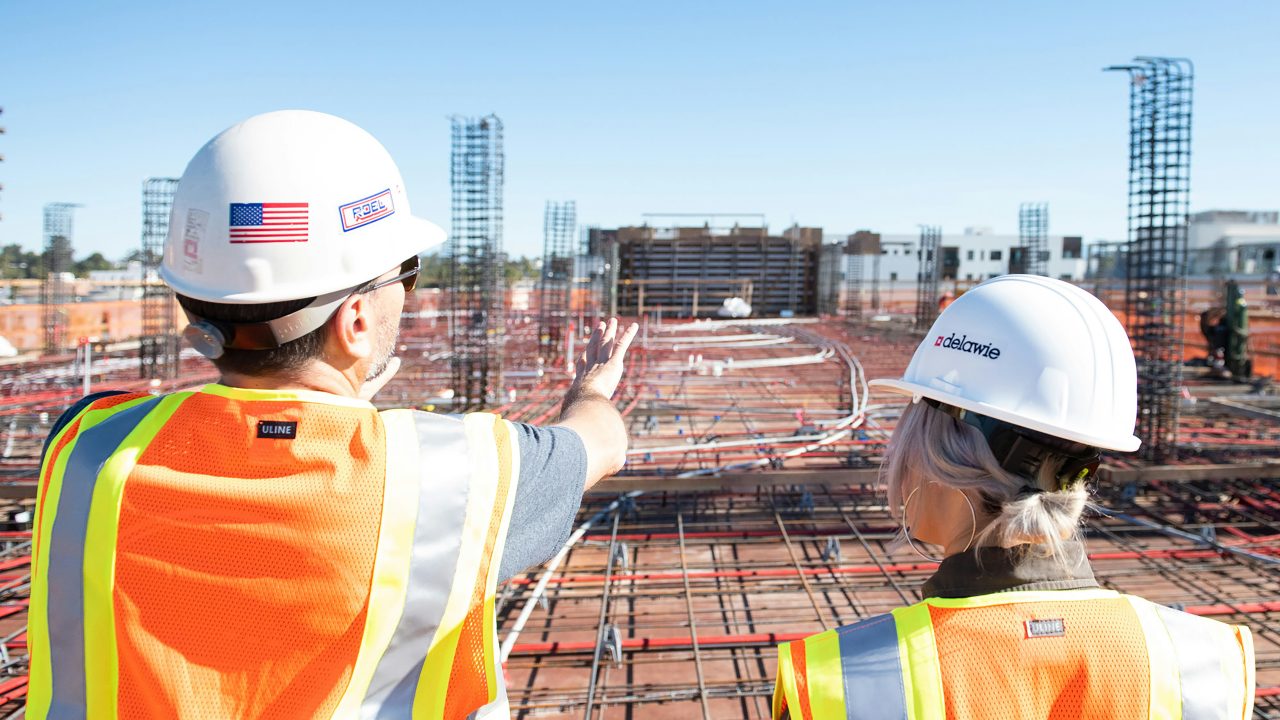
Photo by Joe Holland on Unsplash
Construction sites are high-stakes environments where multiple independent companies—general contractors, subcontractors, and specialized vendors—operate in tight quarters. When a mistake occurs, such as an improperly secured scaffolding plank or a failure to flag a live electrical wire, the resulting injuries are often catastrophic. Determining “who pays” for these damages is rarely as simple as looking at the name on the subcontractor’s hard hat; instead, it requires a deep dive into Illinois liability laws and the specific contractual relationships governing the project.
Under Illinois law, the “exclusive remedy” of workers’ compensation generally prevents you from suing your own employer for a workplace injury. However, construction accidents frequently involve the negligence of a third party, such as a separate subcontractor or the general contractor overseeing the site. Securing a personal injury attorney in Elgin IL, is the most effective way to identify every liable party and ensure you are not limited solely to the capped benefits provided by workers’ comp.
The Doctrine of Retained Control
In many Elgin construction projects, a general contractor (GC) attempts to shift all liability to the subcontractor by claiming they were not involved in the day-to-day “operative details” of the work. However, Illinois follows Section 414 of the Restatement (Second) of Torts, which states that if a GC retains control over any part of the work—specifically, site safety—they can be held liable for injuries caused by a subcontractor’s negligence. If the GC has the authority to stop work for safety violations but fails to do so, they may share the financial burden.
This “retained control” isn’t just about being present on-site; it’s about the authority granted in the master contract. Even if a GC is not standing over a subcontractor’s shoulder, their failure to coordinate safety protocols among different trades can be cited as the proximate cause of an accident. When a lawyer analyzes your case, they will look for evidence that the GC knew about a hazard but allowed the subcontractor to continue working anyway, thereby bridging the gap of liability.
Third-Party Liability and Workers’ Compensation
While workers’ compensation provides immediate help for medical bills and lost wages, it does not account for non-economic damages like pain, suffering, or loss of quality of life. If a worker from a different company—such as an HVAC subcontractor—leaves a floor opening unguarded and you fall through it, you have the right to file a “third-party claim” against that subcontractor. This allows you to seek full compensation that exceeds the statutory limits of a standard work-comp claim.
Third-party claims are the primary way construction workers in Illinois achieve true financial recovery after a major accident. Because Elgin’s job sites are often crowded with various specialists, there is a high probability that your injury was caused by someone other than your direct employer. Identifying these outside entities early in the process ensures that you can hold the negligent party accountable while still receiving your primary benefits.
The Role of Contractual Indemnity Clauses
Every major Elgin job site relies on insurance and indemnity agreements. Most subcontracts include “Indemnification” and “Additional Insured” clauses, requiring subcontractors to cover legal fees or damages the general contractor faces due to their mistakes. This means that if you sue the general contractor, the subcontractor’s insurance usually pays the settlement.
These clauses shift risk to the party closest to the work. In 2026, Illinois courts review these agreements to ensure they comply with the Anti-Indemnity Act, which prevents a company from being indemnified for its own negligence. Understanding which insurance policy is “primary” and which is “excess” is a complex task that requires a legal team to navigate.
Joint and Several Liability in 2026
Illinois law uses “modified joint and several liability” to determine how much each at-fault party pays. As of early 2026, if a defendant, like a masonry subcontractor, is found 25% or more responsible for your injury, they can be held fully liable for all your non-medical damages. This helps you collect your full compensation, even if another negligent party lacks insurance.
If a defendant is less than 25% at fault, they only pay for their share of the damages. The “apportionment of fault” becomes a key issue in construction lawsuits, as the defense often tries to shift blame to reduce their client’s responsibility. A strong legal strategy will demonstrate the subcontractor’s high level of fault to ensure you receive full recovery.
The “Kotecki” Cap and Contribution Claims
In Illinois construction law, the “Kotecki Cap” limits how much a third party, like a negligent general contractor (GC), can recover from your employer in a settlement. Usually, your employer’s liability is capped at the amount of workers’ compensation they’ve already paid, complicating settlements when multiple contractors are involved.
Many Elgin area construction contracts include a “Kotecki Waiver,” where the employer gives up this cap to secure the job. It’s important for your lawyer to check for this waiver. If the cap is waived, more insurance money is available for your damages, ensuring that each party’s contribution reflects their true level of fault.
OSHA Violations as Evidence of Negligence
A violation of an OSHA regulation does not automatically mean you have a personal injury case, but it is strong evidence of negligence. If a subcontractor receives an OSHA citation for not providing fall protection or for improper trench shoring after your accident, that citation can help show they failed in their duty to keep you safe. It acts as clear proof that the company disregarded standard safety practices.
Starting in 2026, OSHA is focusing more on “multi-employer” worksite policies. This means they can cite both the subcontractor who created the hazard and the general contractor who did not fix it. Your legal team will keep track of any OSHA investigations related to your site to obtain these reports. Linking a federal safety violation to your injury is often the key factor that pushes an insurance company to offer a fair settlement.
Proving Liability Through Site Documentation
Winning a construction injury case depends on evidence collected before the accident, such as daily logs, safety meeting notes, maintenance records, and site photos. If the equipment was faulty, logs may show skipped inspections. If hazards were reported but ignored, daily logs can prove contractors were aware.
Since this evidence belongs to the companies being sued, it can be lost or deleted. Your attorney can send a spoliation letter to protect it. By piecing together the site’s history, your legal team can show that the accident was predictable due to a failure to follow safety plans.
Buy Me A Coffee
The Havok Journal seeks to serve as a voice of the Veteran and First Responder communities through a focus on current affairs and articles of interest to the public in general, and the veteran community in particular. We strive to offer timely, current, and informative content, with the occasional piece focused on entertainment. We are continually expanding and striving to improve the readers’ experience.
© 2026 The Havok Journal
The Havok Journal welcomes re-posting of our original content as long as it is done in compliance with our Terms of Use.


