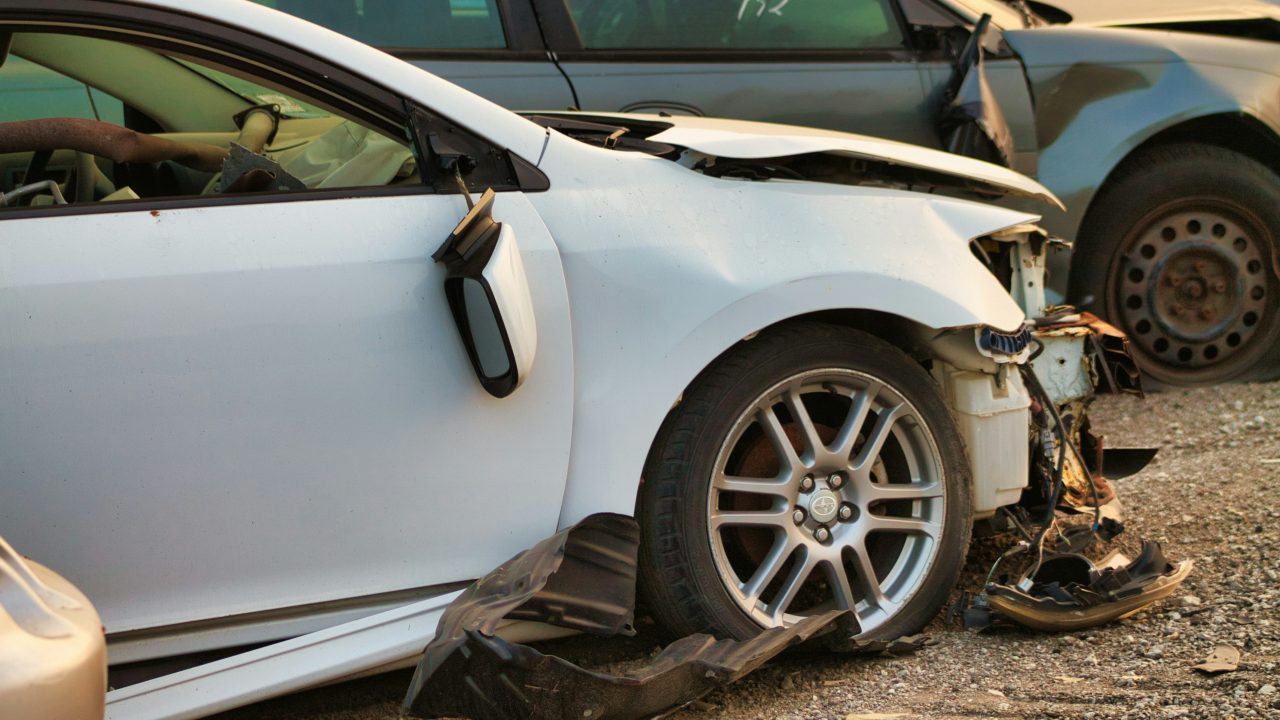
Photo by Josh Sonnenberg on Unsplash
A totaled vehicle can create stress long after the crash scene is cleared. For many people, a car is not just transportation. It is how they get to work, take children to school, attend medical appointments, buy groceries, and stay independent. When that vehicle is suddenly gone, daily life can become difficult fast.
The insurance process may sound simple. The vehicle is inspected, the company decides whether repairs make sense, and payment is issued if the car is a total loss. In reality, questions about value, loan balances, rental coverage, replacement costs, and injury claims can quickly appear.
A Total Loss Is Not Always Obvious
A car does not have to look completely destroyed to be totaled. Sometimes the damage is clear, such as a crushed front end, deployed airbags, or a bent frame. Other times, the car may still look repairable from the outside.
Insurance companies usually compare the cost of repairs to the vehicle’s value before the accident. If repairs cost too much compared to that value, the insurer may declare the vehicle a total loss. Hidden frame damage, damaged sensors, parts costs, and labor charges can all affect that decision.
The First Estimate May Change
The first repair estimate is often only the starting point. Once a shop looks deeper, more damage may appear. A car that seemed repairable may become a total loss after the frame, suspension, airbags, or electronics are checked.
This can be frustrating. The owner may wait days expecting repairs, then learn the vehicle will not be fixed. Keeping estimates, photos, and inspection reports can help show how the decision was made.
Actual Cash Value May Feel Too Low
When a vehicle is totaled, the insurance company usually looks at the car’s actual cash value before the crash. This may depend on age, mileage, condition, options, accident history, and local market prices.
The problem is that actual cash value may not match the real cost of replacing the vehicle. Taxes, registration fees, dealer charges, and higher used-car prices can make replacement more expensive than expected. The payment may feel fair on paper but still leave the owner short.
A Loan Balance Can Create More Stress
A totaled car can become more stressful when the owner still owes money on it. If the insurance payment is less than the loan balance, the owner may still owe the lender even though the vehicle is gone.
Gap insurance may help in this situation. It may cover the difference between the vehicle’s value and the remaining loan balance. Without gap coverage, a person may face payments on a car they can no longer drive while also trying to buy another one.
Rental Coverage May End Quickly
After a crash, transportation becomes urgent. A rental car can help, but rental coverage is often limited. The policy may only cover a certain number of days or a certain daily amount. Some insurers stop paying soon after they declare the vehicle a total loss.
This can leave the vehicle owner rushing to find a replacement. Delays in paperwork, valuation, or payment can make the problem worse. Ask how long rental coverage will last and what steps must be completed.
Remove Personal Items and Check Add-Ons
Before the vehicle is taken away, the owner should remove personal belongings. This may include work tools, child seats, documents, chargers, parking passes, sunglasses, medical devices, and items stored in the trunk or glove box.
Aftermarket parts may also matter. Custom wheels, upgraded sound systems, tool racks, or accessibility changes may not be included in the first valuation. Photos, receipts, and installation records can help show their value.
The First Offer Can Be Reviewed
An insurance company’s total-loss offer is not always the final word. The owner can review the valuation report and check whether the make, model, trim, mileage, and condition were listed correctly.
Comparable vehicle listings may also help. If similar vehicles in the area are selling for more, that information may support a request for review. A small mistake in mileage, trim, or condition can affect the payment.
Vehicle Claims and Injury Claims Are Different
The property damage claim usually deals with the vehicle, towing, storage, rental coverage, and replacement value. The injury claim deals with medical bills, pain, lost income, future care, and other personal losses.
These claims may move at different speeds. Settling the vehicle damage does not always end the injury claim, but every document should be read carefully before signing. If a release is too broad, it could affect more than the car. When injuries are involved, the best Roseville auto accident lawyer for your case can help review the situation and protect the injury claim while the property damage claim is handled.
A Totaled Car Can Disrupt Daily Life
The loss of a vehicle can affect work, school, medical care, errands, and family responsibilities. A person may miss shifts, cancel appointments, rely on rides, or spend money on transportation they did not need before.
These problems should be documented. Ride-share receipts, missed work records, rental expenses, childcare changes, and appointment delays may help show how the accident affected daily life.
Safety May Be the Reason for the Total Loss
Some owners want their vehicle repaired instead of totaled. That is understandable, especially if they depend on it. But repair is not always safe or practical.
Modern cars include sensors, cameras, airbags, and complex electrical systems. If those systems are damaged, repair may be expensive and uncertain. A total-loss decision may reflect safety concerns, not just visible damage.
When the Loss Is More Than a Car
A totaled vehicle is often treated as a property damage issue, but the impact can be much bigger. Losing a car can affect work, medical care, family routines, finances, and independence.
The key is to slow down and review each part of the process carefully. Keep the police report, crash photos, tow receipts, storage bills, repair estimates, valuation reports, loan statements, rental receipts, and insurance messages. A fair resolution should consider the vehicle’s value, loan balance, rental needs, replacement challenges, and any injury claim connected to the crash. When the vehicle is gone, but the consequences remain, clear records and careful decisions can make recovery more manageable.
Buy Me A Coffee
The Havok Journal seeks to serve as a voice of the Veteran and First Responder communities through a focus on current affairs and articles of interest to the public in general, and the veteran community in particular. We strive to offer timely, current, and informative content, with the occasional piece focused on entertainment. We are continually expanding and striving to improve the readers’ experience.
© 2026 The Havok Journal
The Havok Journal welcomes re-posting of our original content as long as it is done in compliance with our Terms of Use.


