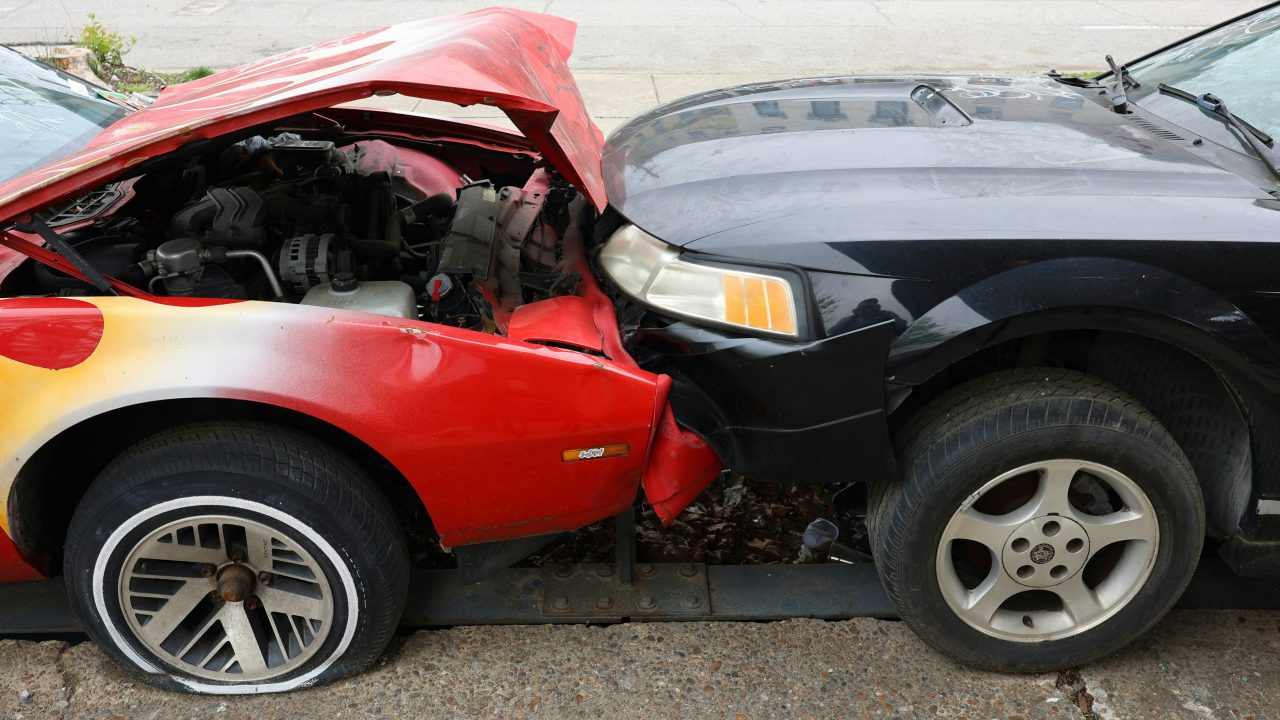
Photo by Scott Greer on Unsplash
After a severe collision, the scene can look chaotic. Vehicles may be damaged, debris may be scattered across the road, and people involved may remember the crash differently. In serious cases, it may not be enough to rely only on what drivers say happened. Experts may need to study the physical evidence to understand how the collision occurred.
Collision reconstruction can help explain speed, direction of travel, braking, visibility, impact points, and driver actions. These details may become important when injuries are serious and fault is disputed. Accident victims who are dealing with difficult questions after a crash may turn to Seattle Injury Law for help understanding how evidence can support a legal claim.
The Final Position of the Vehicles
One of the first things experts may review is where the vehicles came to rest after the collision. The final position can reveal clues about the force of impact, the direction each vehicle was moving, and whether one vehicle was pushed, spun, or redirected. This information can help create a clearer picture of the crash sequence.
The final resting place is not the whole story, but it is an important starting point. A vehicle that ends up far from the impact area may suggest a high-speed collision or a strong secondary movement. Experts may compare the final positions with damage patterns, roadway marks, and witness accounts to see whether the evidence fits together.
Damage Patterns on Each Vehicle
Vehicle damage can tell a detailed story. Experts often examine dents, crush zones, broken lights, paint transfer, deployed airbags, and the location of impact marks. The height, depth, and direction of damage can help show which parts of the vehicles made contact and how the crash unfolded.
This can be especially useful when drivers disagree about fault. For example, damage to the front of one vehicle and the side of another may support a different explanation than damage to two front ends. In some cases, the damage pattern can help show whether a driver failed to yield, ran a light, followed too closely, or made an unsafe lane change.
Skid Marks, Gouges, and Roadway Evidence
The roadway itself can provide important clues. Skid marks may show where a driver began braking, while yaw marks may suggest that a vehicle was sliding sideways or losing control. Gouge marks, scrape marks, fluid trails, and debris fields may help identify the point of impact.
These details can disappear quickly because of traffic, weather, road cleanup, or repairs. That is why photographs and measurements taken soon after the crash can be valuable. Experts may use roadway evidence to estimate speed, reaction time, and whether a driver had enough distance to avoid the collision.
Traffic Signals, Signs, and Road Design
Experts may also look at the surrounding traffic controls and road layout. Stop signs, traffic lights, lane markings, merge areas, crosswalks, turn lanes, and speed limits can all affect how the crash happened. In some cases, the design of the road may help explain why drivers had trouble seeing each other.
Visibility is another important issue. Experts may consider whether a hill, curve, parked vehicle, construction barrier, poor lighting, or blocked sign affected the drivers’ ability to react. Understanding the road environment can help explain whether the collision was caused by driver error, unsafe conditions, or a combination of both.
Electronic Data and Video Footage
Modern vehicles often contain electronic data that may be useful after a serious crash. Event data recorders may show information such as speed, braking, throttle use, seatbelt status, and airbag deployment. This data can help confirm or challenge what a driver says happened before impact.
Video footage can also be powerful evidence. Traffic cameras, dash cameras, security cameras, and nearby business cameras may capture the moments before or after the crash. Even if the impact itself is not visible, footage may show vehicle speed, traffic light timing, lane position, or whether a driver stopped or continued moving.
Driver Behavior Before the Impact
Accident reconstruction examines a driver’s actions before a crash to understand why it happened and if it could have been avoided. Experts may look at issues like:
- Speeding: A driver’s speed can affect stopping distance, reaction time, and the force of the impact.
- Distraction: Phone use, looking away from the road, or focusing on something inside the vehicle may show why a driver failed to react.
- Impairment: Alcohol, drugs, or certain medications can slow judgment, coordination, and response time.
- Fatigue: A tired driver may react slowly, drift out of a lane, or fail to notice changing traffic conditions.
- Aggressive driving: Tailgating, unsafe lane changes, sudden acceleration, or road rage may help explain how the collision occurred.
- Delayed braking or reaction: Vehicle data, skid marks, and witness statements may show whether a driver waited too long to slow down or stop.
- Supporting evidence: Phone records, police reports, witness accounts, and vehicle data can all help connect driver behavior to the crash.
When the other side tries to blame the injured person, this type of reconstruction can help show how the driver’s actions contributed to the collision.
Injury Patterns and Crash Forces
In severe collisions, the injuries themselves may help experts understand the crash. The location and type of injuries can sometimes match the direction of impact, seat position, airbag deployment, or force of movement inside the vehicle. This does not replace medical evidence, but it can support the overall reconstruction.
For example, a side-impact crash may cause different injuries than a rear-end or head-on collision. Experts may compare medical records with vehicle damage and crash forces to explain how the impact harmed the occupants. This can help connect the collision to the injuries being claimed.
Reconstruction Can Bring Clarity to a Disputed Crash
A severe crash can leave many unanswered questions. Drivers may disagree, witnesses may remember only part of the event, and insurance companies may look for reasons to reduce responsibility. Collision reconstruction helps organize the available evidence into a clearer explanation of what likely happened.
This process can be especially important when the injuries are serious, the crash involved multiple vehicles, or fault is not obvious. By reviewing vehicle damage, road evidence, video footage, electronic data, and human behavior, experts can help reveal the truth behind a collision. That clarity can make a meaningful difference for victims trying to move forward after a devastating crash.
Buy Me A Coffee
The Havok Journal seeks to serve as a voice of the Veteran and First Responder communities through a focus on current affairs and articles of interest to the public in general, and the veteran community in particular. We strive to offer timely, current, and informative content, with the occasional piece focused on entertainment. We are continually expanding and striving to improve the readers’ experience.
© 2026 The Havok Journal
The Havok Journal welcomes re-posting of our original content as long as it is done in compliance with our Terms of Use.