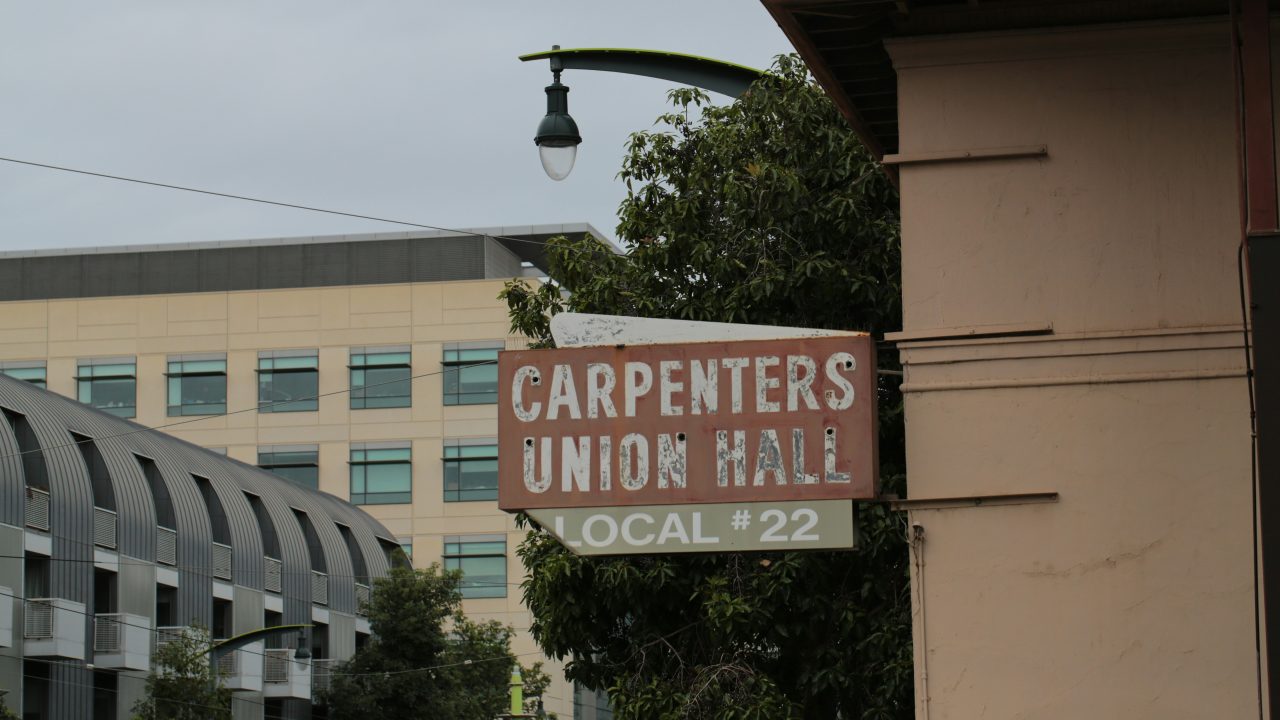
Photo by Sean Thoman on Unsplash
Have you ever wondered what rights you have at work and how they protect you each day? Many people go to work without knowing what the law says about fair pay, safe spaces, and respect. This can lead to fear or confusion when problems come up.
Learning about workers’ rights can help you feel strong and sure. It can also help you speak up when something feels wrong. In this blog post, you will learn the basics of workers’ rights and how to use them to protect yourself at work every day.
Why Workers’ Rights Matter Every Day
Workers’ rights are rules that protect people at work. These rules help make sure you are treated in a fair and safe way. They cover things like pay, hours, breaks, and safety.
Without these rules, some workers might be treated badly or paid too little. Workers’ rights matter because most adults spend many hours at work. If your job is not safe or fair, it can harm your health and your family life.
When workers know their rights, they can ask for better treatment. This helps create strong and healthy workplaces for everyone. When you understand workers’ rights, you are less likely to feel helpless.
You know what the law allows and what it does not allow. This knowledge gives you power in a calm and legal way.
The Right To Fair Wages
One of the most basic workers’ rights is the right to fair pay. This means you must be paid at least the minimum wages set by law. In some cases, you must also be paid extra for working long hours.
This extra pay is often called overtime pay. Fair wages help workers pay for food, rent, and other needs. If an employer does not pay the right amount, that is against the law.
You have the right to ask questions about your pay and to see clear records of your hours. Equal pay is also part of fair wages.
Workers who do the same job should be paid the same amount, no matter their gender or background. This rule helps stop unfair treatment and supports respect in the workplace.
The Right To A Safe Workplace
Every worker has the right to a safe place to work. A safe workplace means tools and machines are in good shape. It also means there are clear rules to prevent accidents.
Employers must fix known dangers and give proper training. If you are asked to do something unsafe, you have the right to speak up. You should not be punished for reporting a danger.
The law protects workers who report safety issues in good faith. When an injury happens at work, you may have the right to medical care and support.
In some cases, a Montgomery workers compensation lawyer can help explain your options and guide you through the process. This can be helpful if your claim is denied or delayed.
The Right To Reasonable Work Hours And Breaks
Workers’ rights also include limits on work hours. While some jobs require long shifts, the law often sets rules to prevent abuse. These rules can include daily or weekly limits and required rest times.
Breaks are important for health and safety. Short rest breaks and meal breaks give your body time to recover. Without breaks, workers can become tired and make mistakes that lead to injury.
Employers must follow the rules about hours and breaks. If they do not, workers can raise the issue with a supervisor or a labor office. Knowing these rules helps you protect your time and your well being.
Protection From Discrimination And Harassment
Workers have the right to be treated with respect. This means no one should face unfair treatment because of race, gender, age, religion, or disability. Discrimination at work is against the law in many places.
Harassment is also not allowed. This includes hurtful words, unwanted actions, or threats that make a worker feel unsafe. Employers must take steps to stop harassment when they learn about it.
If you believe you are facing discrimination or harassment, you can report it. Many workplaces have a human resources office to handle these concerns. Laws protect workers who report problems from being punished for speaking up.
The Right To Join Together And Speak Up
Workers also have the right to join with others to improve their jobs. This can include joining a union or forming a group to talk about work conditions. When workers act together, their voices are often stronger.
Speaking up about pay, safety, or unfair rules is part of workers’ rights. You should not lose your job just for asking fair questions. The law in many places protects workers from being fired for raising concerns.
Open talk between workers and employers can solve many problems. When both sides listen, they can build trust. This leads to better teamwork and a safer work space.
How To Advocate For Yourself At Work
Knowing your rights is only the first step. You also need to know how to use them. Start by keeping records of your hours, pay, and any problems you face.
Clear notes can help if you need to prove your case. Talk to your supervisor in a calm and clear way. Explain the issue and share any proof you have.
Many problems can be fixed through simple talk. If the problem does not improve, you can contact a government labor office or seek legal advice.
There are groups that offer free or low cost help. Taking action may feel scary, but standing up for your workers’ rights can protect you and others.
Strong Knowledge Builds Strong Workers
Understanding workers’ rights is a key step toward a safe and fair work life. When you know about fair wages, safe workplaces, and legal protections, you can stand up for yourself with calm and courage. You do not have to accept unfair treatment or unsafe conditions.
Learning your rights helps you make smart choices and speak with confidence. Keep asking questions and stay informed about changes in the law. Your voice matters at work, and your rights are there to protect you each day.
Did this guide help you? Browse the rest of this section for more advice on a variety of topics.
Buy Me A Coffee
The Havok Journal seeks to serve as a voice of the Veteran and First Responder communities through a focus on current affairs and articles of interest to the public in general, and the veteran community in particular. We strive to offer timely, current, and informative content, with the occasional piece focused on entertainment. We are continually expanding and striving to improve the readers’ experience.
© 2026 The Havok Journal
The Havok Journal welcomes re-posting of our original content as long as it is done in compliance with our Terms of Use.


