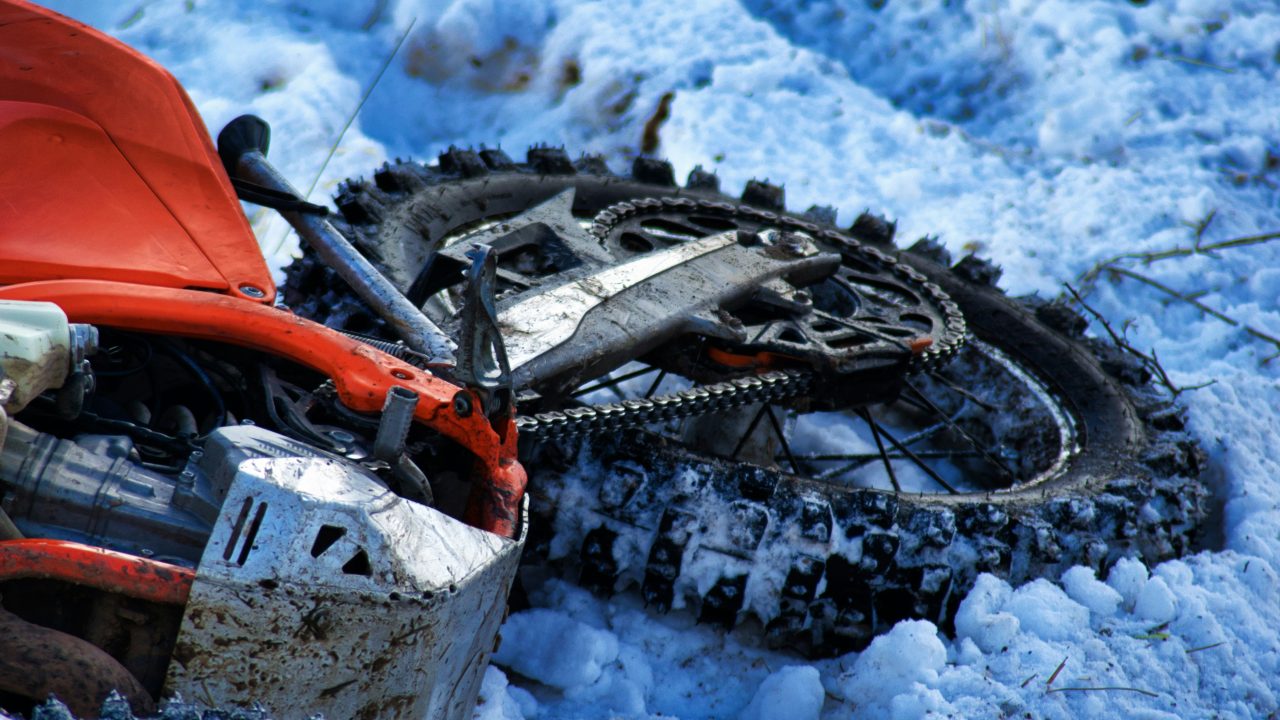
A distracted motorist can affect even the most careful rider. One second, you are cruising along a back road; the next, you’re on the ground trying to make sense of what just happened.
“Most motorcycle accident cases depend not on the crash itself, but on how quickly and clearly victims understand their legal options. Confusion in the early days after a crash leads to missed deadlines, lowball offers, and unnecessary stress,” says attorney Michael McCready of McCreadyLaw Injury Attorneys.
If you have been in a motorcycle accident in Illinois, this article could help address your concerns.
Common Causes of Motorcycle Accidents in Illinois
Despite taking all the necessary precautions, many Illinois motorcyclists still end up in accidents. The most common cause of these accidents is negligence. When turning or changing lanes, drivers often neglect to check their blind spots.
Collisions at intersections are another big hazard. A vehicle makes a left turn, and a motorcyclist goes straight; it’s an instant lapse with terrible results.
And then there is distracted driving. Whether a driver is staring at their phone or extending their hand for a coffee, those instances of distraction lead to more bike crashes than most know.
Assigning Fault and Establishing Negligence
It may be clear who was responsible for the crash, but establishing fault isn’t always simple. Illinois employs a comparative negligence system, wherein fault can be partial and impacts your settlement.
Say the driver ran a red light, but you were going a little bit over the speed limit. That may decrease your compensation if the insurer argues you were at fault somehow.
Evidence is everything with this. Photographs, traffic cam footage, witness statements, and police reports all help prove what occurred, not just what someone says.
Types of Compensation Available to Riders
You may be entitled to more than just your medical bills. State laws allow for both economic and non-economic damages.
Compensation includes lost wages if you’re out of work, plus pain and suffering. That is the part that tries to account for your physical pain, emotional stress, and lost quality of life.
In some cases, punitive damages may be imposed, but their use is rare. They are often used only when the at-fault driver was reckless, like fleeing the scene or driving impaired.
Statute of Limitations
The statute of limitations is the timeframe within which a person can file a lawsuit. If you fail to file a lawsuit during this time, you will forfeit your right to seek compensation, meaning the court will not hear your case. It ensures timely justice, encourages prompt action, and protects defendants from stale claims. These limitations differ from state to state and claim type.
In the Prairie State, you have two years from the accident day to file a personal injury claim. Waiting too long can jeopardize your claim even if you’re filing within the time. Evidence disappears, memories become cloudy, and insurance companies are less cooperative.
If property damage is your only concern, a five-year grace period applies. But with injuries, timing is much more critical.
Why Legal Representation Matters After a Crash
Dealing with insurance adjusters seems easy at first. Initially, they may seem pleasant and gather information, but eventually, they offer you a settlement that is far too low.
A trustworthy lawyer can bring everything to a reasonable level. They can estimate your future treatment costs, lost income, and how pain affects your life outside the ER.
Furthermore, they keep you from making the kind of errors that could drown your case, i.e., giving an audiotaped interview or signing things you shouldn’t.
Closing Thoughts
No one wants to have legal issues after an accident. You just want to heal, fix your bike, and get back to normal life, but getting sound legal advice in time can be a lifesaver.
It’s not about further complicating things; it is about not paying for someone else’s mistake. If you’re unsure, it is best to consult an experienced Illinois attorney for the best path to a favorable resolution.
Buy Me A Coffee
The Havok Journal seeks to serve as a voice of the Veteran and First Responder communities through a focus on current affairs and articles of interest to the public in general, and the veteran community in particular. We strive to offer timely, current, and informative content, with the occasional piece focused on entertainment. We are continually expanding and striving to improve the readers’ experience.
© 2026 The Havok Journal
The Havok Journal welcomes re-posting of our original content as long as it is done in compliance with our Terms of Use.


