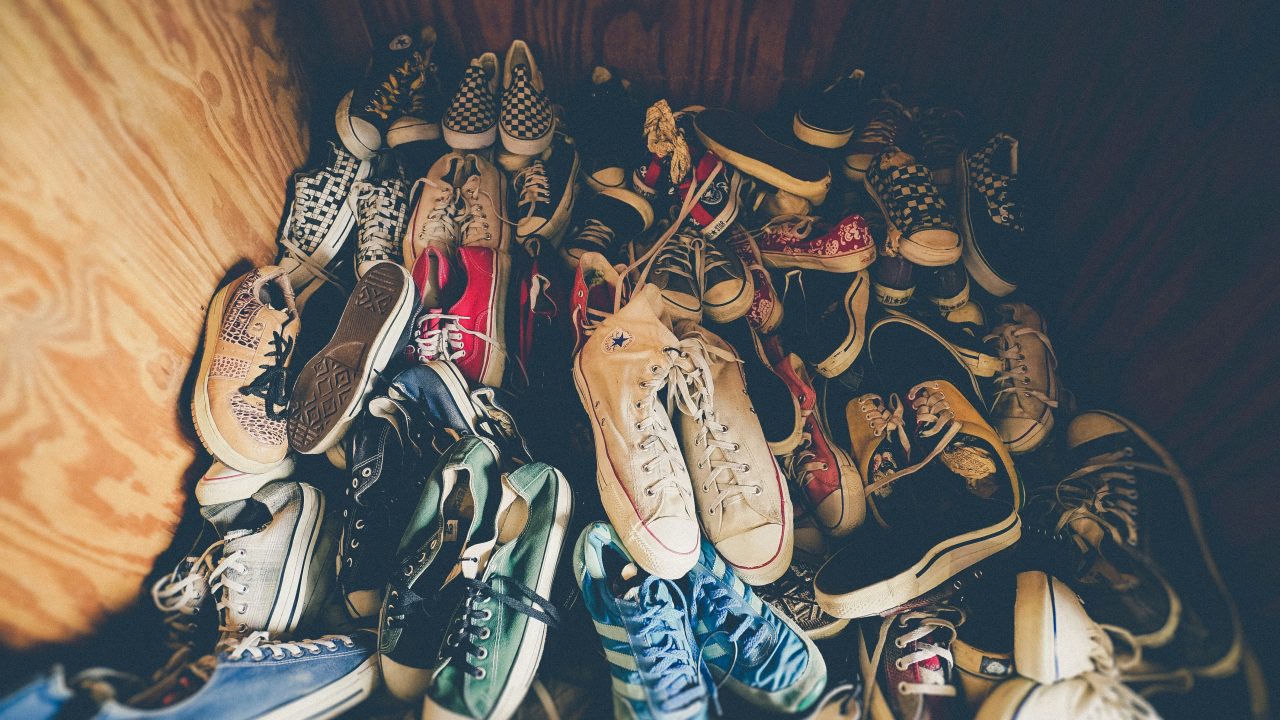
Photo by Jakob Owens on Unsplash
Most people who get hurt in a slip and fall never think twice about what they had on their feet. They are focused on the pain, the medical bills, and figuring out what to do next. But the moment a claim is filed, the insurance company starts looking at everything, including your shoes. Your footwear becomes evidence, and insurers know exactly how to use it against you.
The good news is that understanding how this works puts you in a stronger position. When you know what insurers look for, you can protect yourself from tactics designed to shift blame onto you. Knowledge is genuinely your best defense here. The more prepared you are, the harder it becomes for an insurer to minimize what your injury is worth.
What a Clothing Audit Actually Means
When an insurance company investigates a slip and fall claim, they quietly audit everything the injured person was wearing. Adjusters are trained to ask specific questions about footwear because the answers can be used to argue you contributed to your own fall. Most injury victims never see this coming. It is a standard part of the process that happens in almost every premises liability claim.
The clothing audit is not always obvious either. An adjuster might casually ask what you were wearing during a recorded statement, making it sound routine. But your answer directly affects how much fault gets assigned to you. Being aware that this question is coming lets you respond carefully without handing the insurer a reason to cut your compensation.
Why Your Shoes Are the First Thing Insurers Look At
Shoes tell a story that insurance adjusters are very good at reading. The type of sole, the heel height, and the condition of the tread all become factors in how an insurer evaluates your share of responsibility. A worn-out sole or a high heel can be used to argue your footwear caused the fall, not the dangerous property condition. That argument is used far more often than most people realize.
If you have been injured in a slip and fall, speaking with a Tulsa premises liability lawyer early gives you the guidance you need before the insurer builds that narrative. An experienced attorney will advise you to preserve your shoes as evidence and photograph the accident scene right away. Those early steps can make an enormous difference in how your claim develops.
Footwear Details Insurers Zero In On
Insurance companies focus on very specific shoe characteristics when investigating a slip and fall. Here are the details they examine most closely:
- Sole condition and tread wear, because a worn sole reduces grip and can be blamed for the fall instead of the surface.
- Heel height, because high heels affect balance and make falls easier to attribute to the wearer.
- Shoe fit and fastening, because a loose shoe or untied lace creates instability, adjusters will point to.
- Sole material because leather soles provide far less traction than rubber on wet or polished surfaces.
- Appropriateness for the environment because wearing flip flops in a grocery store gives adjusters an opening to argue assumed risk.
Knowing which details get scrutinized helps you understand exactly what the insurer is building a case around.
How Comparative Fault Makes Footwear Evidence So Powerful
Oklahoma follows a modified comparative fault system. If you are found partially responsible for your fall, your compensation is reduced by your percentage of fault. If an insurer convinces a court that your shoes were 30 percent responsible, your total payout drops by that same amount. That is a significant financial hit tied entirely to what you had on your feet.
This is why insurers invest so much energy into the clothing audit. Shifting even a small percentage of blame onto you saves them money. A good premises liability attorney counters this by building evidence that focuses responsibility back on the property owner. The condition of the floor, lighting, and the absence of warning signs all become powerful counterarguments.
What Property Owners Are Actually Responsible For
It is easy to lose sight of the bigger picture when an insurer makes your shoes the centerpiece of their defense. Property owners in Oklahoma have a clear legal duty to keep their premises reasonably safe for visitors. That duty does not disappear because a visitor wore heels or slip-on shoes. The responsibility to fix hazardous conditions exists regardless of what anyone is wearing.
Common hazards property owners are responsible for include wet floors without warning signs, broken flooring, poor lighting, and loose rugs. When an owner fails to address these conditions in a reasonable time, they are legally accountable for the injuries that result. Understanding this helps injury victims push back confidently when an insurer tries to make the conversation about shoes instead of unsafe property.
How to Protect Your Footwear Evidence Right Away
The shoes you were wearing are physical evidence and need to be treated that way immediately. Many injury victims keep wearing their shoes after the accident, which alters the sole and weakens their evidentiary value. Others throw them away without realizing how important they might become later. Both mistakes can seriously hurt a claim.
Put the shoes in a bag and store them somewhere safe as soon as possible. Take clear photos of every angle, including the sole, heel, and any visible wear, before anything changes. Your attorney will use these photos and the physical shoes to counter any argument that your footwear was unsuitable. Protecting this evidence early is one of the simplest things you can do for your case.
Building a Claim That Withstands the Clothing Audit
A strong premises liability claim starts with thorough documentation from the very beginning. The more evidence you have about the property condition and the owner’s failure to act, the less room the insurer has to make your case the story. Strong claims are built on multiple layers of evidence that point responsibility back at the property owner.
Work with your attorney to gather surveillance footage, maintenance records, and witness statements. Medical records that clearly connect your injuries to the fall are equally important. A well-documented claim supported by an experienced attorney is the strongest defense against tactics designed to minimize what you are rightfully owed.
Buy Me A Coffee
The Havok Journal seeks to serve as a voice of the Veteran and First Responder communities through a focus on current affairs and articles of interest to the public in general, and the veteran community in particular. We strive to offer timely, current, and informative content, with the occasional piece focused on entertainment. We are continually expanding and striving to improve the readers’ experience.
© 2026 The Havok Journal
The Havok Journal welcomes re-posting of our original content as long as it is done in compliance with our Terms of Use.


