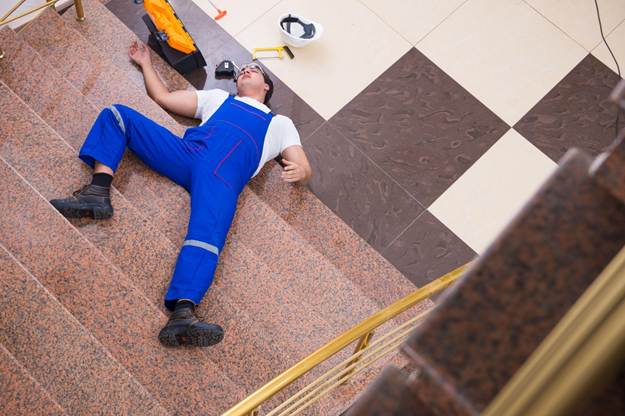
A missing “wet floor” sign can feel like a clear sign of negligence after a fall, but Florida law does not treat it as an automatic win. Whether you have a valid claim in Gainesville depends on why the hazard existed, how long it was there, what the property owner knew or should have known, and whether your own conduct contributed to the fall.
Why Warning Signs Matter In Florida
A warning sign is one way property owners try to reduce risk, and its absence can support an argument that the area was not handled with reasonable care. Still, a sign is not the legal standard on its own, and most claims hinge on notice and whether the owner’s response was reasonable. That is the kind of issue a Gainesville personal injury lawyer at Meldon Law would review when evaluating premises liability facts.
Florida courts typically focus on whether the owner or operator acted reasonably under the circumstances, including inspection routines, cleaning practices, staff training, and how quickly hazards are addressed. A sign can carry more weight when the hazard is temporary and foreseeable, such as a freshly mopped entryway during rainy weather. Even so, warning signs are only part of a larger legal duty property owners owe to people on the premises.
The Duty To Keep Premises Reasonably Safe
In most slip and fall situations, you are treated as an invitee when you are on property open to the public, such as a store, restaurant, or apartment common area. For invitees, the owner must use reasonable care to maintain the premises and to address conditions that pose an unreasonable risk of harm.
That duty is different if you are a social guest or someone on the property without permission, and the legal obligations can narrow sharply. Facts like where you were allowed to be, what the area was used for, and whether the condition was hidden can shape the duty analysis.
Proving Notice When A Spill Is Involved
For many Gainesville slip and falls involving a spill or other “transitory foreign substance” in a business, Florida Statutes section 768.0755 requires you to prove the business had actual or constructive knowledge of the dangerous condition and should have taken action. Actual knowledge can include an employee seeing the spill, causing it, or being told about it.
Constructive knowledge is often shown through circumstantial evidence, such as the condition existing long enough that the business should have discovered it, or the condition occurring with enough regularity that it was foreseeable. Details like track marks, dirt, drying edges, or prior similar incidents can become important, even when no warning sign was posted.
How Defenses Can Limit Recovery
Florida also allows the defense that a condition was open and obvious, meaning a reasonable person would have noticed it, which can reduce or defeat liability depending on the context. Even with an obvious hazard, owners may still have duties to maintain safe conditions, but the visibility of the danger can affect fault allocation.
Fault allocation matters because Florida applies a modified comparative negligence rule for most negligence claims, where recovery is barred if you are found more than 50 percent at fault. If you are 50 percent or less at fault, your damages are reduced by your share of responsibility, which makes evidence about lighting, distractions, footwear, and where you stepped relevant.
Evidence That Often Makes Or Breaks A Claim
Strong cases often begin with timely documentation: photos or video of the area, the substance, lighting conditions, and any nearby cones, mats, or barriers. Incident reports, witness names, and prompt requests for surveillance footage can matter, since recordings are often overwritten.
Medical records link the fall to your injuries and help establish damages, including concussions that may not be obvious right away. Early evaluation and consistent follow-up can document symptoms and support causation, and timing also matters because Florida shortened the statute of limitations for many negligence cases to two years for causes of action accruing after March 24, 2023, while older incidents may fall under prior deadlines based on the date of injury.
Where This Leaves Your Claim
A missing warning sign can be meaningful, but Florida slip and fall claims usually rise or fall on notice, reasonableness, and evidence you can preserve early. If you are considering a Gainesville claim, focus on documenting the scene, identifying witnesses, obtaining medical care, and understanding the specific rule that applies to the type of property and hazard involved.
Buy Me A Coffee
The Havok Journal seeks to serve as a voice of the Veteran and First Responder communities through a focus on current affairs and articles of interest to the public in general, and the veteran community in particular. We strive to offer timely, current, and informative content, with the occasional piece focused on entertainment. We are continually expanding and striving to improve the readers’ experience.
© 2026 The Havok Journal
The Havok Journal welcomes re-posting of our original content as long as it is done in compliance with our Terms of Use.


