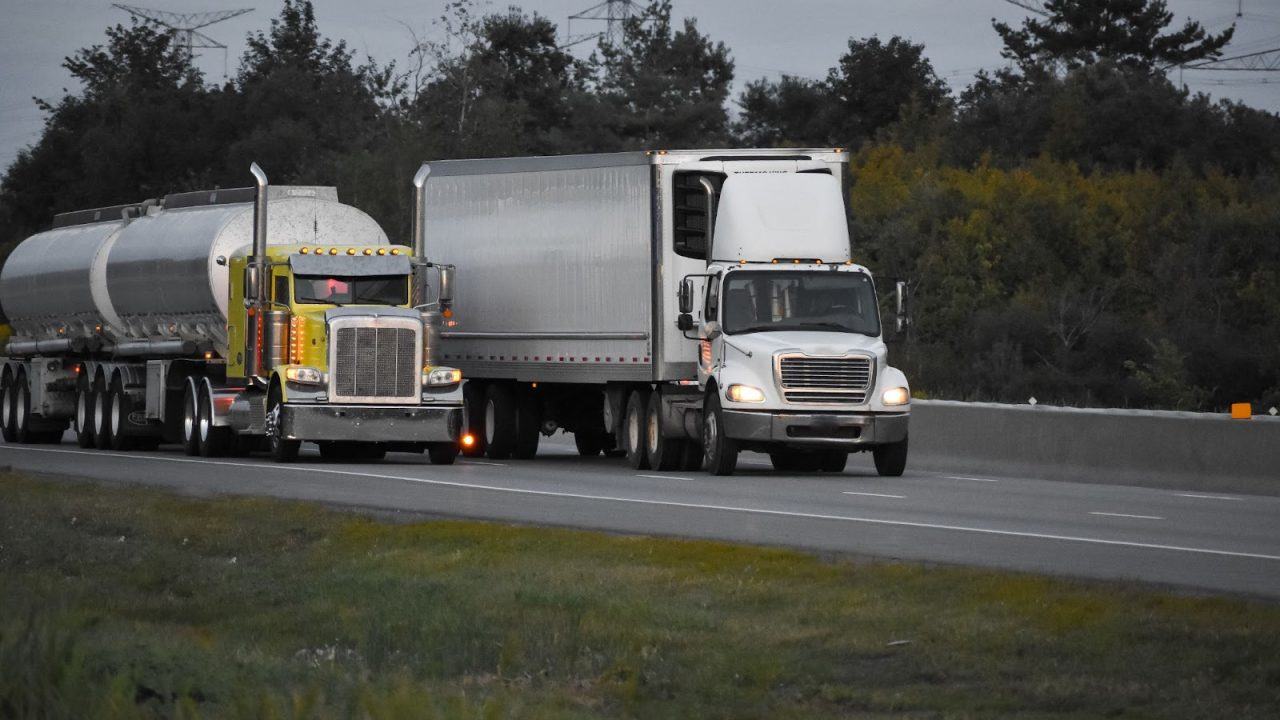
Austin’s continued population growth between 2023 and 2025 placed added pressure on Interstate 35, one of Texas’s most heavily traveled freight corridors. I-35 runs directly through central Austin, carrying daily commuter traffic alongside regional and interstate commercial trucking activity. State and city data released during this period show consistent truck-involved crash activity, steady serious injury totals, and recurring fatal incidents along this corridor.
This overview references TxDOT Annual Crash Reports (2023–2024 releases with 2025 preliminary updates), Austin data from the TxDOT Crash Records Information System (CRIS), the City of Austin Vision Zero Dashboard (2023–2025 updates), and regional transportation planning reports discussing I-35 corridor conditions.
Truck Crash Totals on I-35 (2023–2025)
Truck crashes represent a measurable portion of overall traffic collisions in Travis County each year.
According to TxDOT crash summaries and CRIS city-level data:
2023:
Austin recorded over 13,000 total traffic crashes citywide. Heavy commercial vehicles were involved in hundreds of those incidents. Serious injury crashes across all vehicle types approached 1,200 for the year, with several occurring along I-35.
2024:
TxDOT’s 2024 statewide report documented 4,150 traffic deaths across Texas and 14,905 serious injury crashes statewide. Austin fatal crash counts remained near prior-year levels based on Vision Zero tracking. I-35 continued to rank among the highest-volume corridors for injury-related collisions.
2025 (preliminary updates):
City dashboard updates indicate fatal and serious crashes remain consistent with 2023–2024 patterns. Large multi-vehicle crashes involving commercial trucks were reported along the I-35 corridor during the year.
While total crash counts fluctuate month to month, the overall trend from 2023 through 2025 shows no major decline in serious truck-related crash exposure on I-35.
Injury Severity and Fatal Outcomes
Crash severity is a major focus when reviewing truck accident data. Commercial trucks weigh significantly more than passenger vehicles, which increases impact force during collisions.
Vision Zero tracking between 2023 and 2025 shows:
- Fatal crashes remain steady year over year.
- Serious injury crashes did not return to the lower 2020 levels.
- High-speed corridors like I-35 continue to account for a large share of life-threatening crashes.
Multi-vehicle incidents on I-35 often involve chain-reaction collisions. When traffic slows suddenly near construction zones or merge areas, commercial vehicles require longer stopping distances. Failure to reduce speed in time contributes to higher injury severity levels.
State crash reports frequently list contributing factors such as:
- Speeding
- Failure to control speed
- Following too closely
- Driver inattention
When heavy trucks are part of these collisions, injury outcomes tend to be more severe due to vehicle size differences.
High-Risk Areas Along the Austin I-35 Corridor
Transportation planning reports and city dashboards identify specific segments of I-35 as higher-risk zones.
Areas near major interchanges and construction activity show elevated crash counts. Examples include:
- I-35 near US-183 interchange
- I-35 near Riverside Drive
- North Austin segments are undergoing expansion work
- Downtown Austin central corridor lanes
Construction phases between 2023 and 2025 contributed to lane shifts and temporary traffic pattern changes. Work zone adjustments increase driver confusion and sudden braking events. Congestion levels during peak hours also increase rear-end collision risk. Commercial trucks traveling through stop-and-go traffic face constant speed adjustments, raising crash probability during high-volume periods. Crash clustering near merging ramps suggests that roadway design and traffic density play measurable roles in incident frequency.
Freight Traffic Volume and Growth Impact
I-35 functions as a primary freight route linking Mexico, Central Texas, and national distribution centers. Regional planning data shows commercial truck volume has steadily increased over the past several years.
Between 2023 and 2025:
- Population growth in the Austin metro area continued.
- Construction and retail expansion increased freight delivery demand.
- Daily commuter traffic returned to pre-pandemic levels.
Higher traffic volume creates more interaction between passenger vehicles and commercial trucks. Increased freight movement does not automatically cause crashes, though higher exposure levels raise the probability of vehicle conflict. Austin surpassed one million residents during this growth cycle. Metro area expansion led to heavier daily use of I-35, which contributes to sustained crash activity along the corridor.
Legal and Reporting Considerations After Truck Accidents
Truck accident investigations often involve additional documentation compared to standard passenger vehicle crashes.
State crash reports may include:
- Commercial driver logbook review
- Vehicle inspection records
- Employer safety compliance checks
- Event data recorder information
Texas follows a modified comparative fault system. Liability percentages influence compensation calculations in injury claims. Accurate crash reports, medical documentation, and vehicle data become important when determining responsibility. Individuals reviewing crash documentation or insurance settlement offers sometimes consult firms such as Zinda Law Group for guidance regarding liability review and medical cost evaluation.
Sustained truck crash totals from 2023 through 2025 indicate that legal case activity involving commercial vehicles is likely to remain consistent unless corridor safety improvements significantly reduce serious collisions.
Safety Programs and Infrastructure Projects
Austin’s Vision Zero initiative continues focusing on reducing fatal and serious injury crashes. Between 2023 and 2025, efforts included:
- Corridor redesign studies
- Speed management programs
- Public safety education campaigns
- Improved crash data transparency
In addition, the Texas Department of Transportation advanced long-term I-35 Capital Express projects. These projects aim to expand capacity, reduce congestion, and redesign certain interchange segments. Infrastructure upgrades take time to complete. During construction, temporary lane shifts may increase short-term crash risk. Long-term design changes aim to improve traffic flow and reduce sudden braking events. Speed enforcement and distracted driving enforcement remain active components of safety planning.
What Data Trends Suggest for 2026
Current patterns suggest stabilization rather than immediate reduction in truck crash totals.
Factors influencing 2026 projections include:
- Completion progress on I-35 expansion projects
- Continued population growth
- Freight shipping demand levels
- Ongoing Vision Zero safety efforts
If roadway redesign reduces congestion bottlenecks, serious injury crashes may gradually decline. If growth outpaces infrastructure improvements, crash totals may remain near current levels.
Based on 2023–2025 data patterns, 2026 is likely to reflect:
- Continued high traffic exposure on I-35
- Stable yet elevated truck crash risk
- Ongoing serious injury crash monitoring
- Active infrastructure adjustments
Austin’s I-35 truck accident statistics from 2023 through 2025 show sustained crash activity tied to freight movement, congestion, and population growth. Official crash reports confirm consistent injury severity levels and recurring fatal incidents along the corridor. As expansion projects move forward and safety initiatives continue, future data will reveal whether long-term redesign efforts produce measurable reductions in serious truck collisions.
Buy Me A Coffee
The Havok Journal seeks to serve as a voice of the Veteran and First Responder communities through a focus on current affairs and articles of interest to the public in general, and the veteran community in particular. We strive to offer timely, current, and informative content, with the occasional piece focused on entertainment. We are continually expanding and striving to improve the readers’ experience.
© 2026 The Havok Journal
The Havok Journal welcomes re-posting of our original content as long as it is done in compliance with our Terms of Use.


