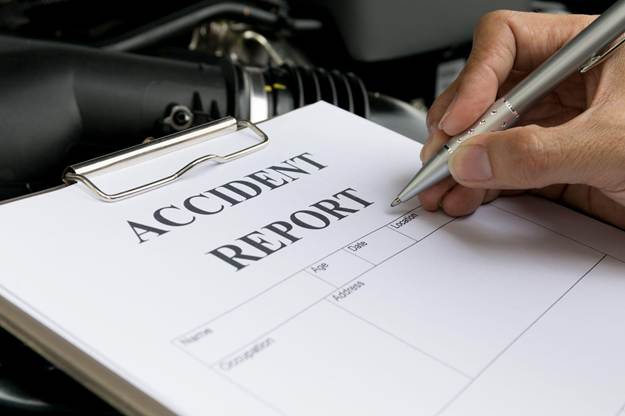
Evidence in a personal injury case does not wait for you to recover before it starts to vanish. Surveillance footage gets overwritten on 24- to 72-hour cycles, witnesses scatter, skid marks fade, and physical conditions at the scene change. In Oceanside, where coastal weather, heavy beach traffic, and busy roadways all factor into accident dynamics, the window for gathering usable evidence is often shorter than people expect. Knowing what to collect and how to preserve it can make the difference between a well-supported claim and one that relies entirely on disputed accounts.
Why Evidence Disappears So Quickly After an Accident
The hours and days immediately following an accident are when the most probative physical evidence still exists in its original form. According to a personal injury lawyer in Oceanside, one of the most common problems in local claims is that clients wait too long to begin documenting conditions at the scene, particularly in cases involving commercial properties or public roadways where maintenance crews may alter conditions within days. The legal doctrine of spoliation, which addresses the destruction or loss of evidence, can create complications if you later need to argue that a responsible party failed to preserve relevant material.
California courts have recognized adverse inference instructions in civil cases where evidence is shown to have been destroyed after a party had notice of potential litigation. That protection, however, does not recover evidence that was simply lost before anyone thought to preserve it. Acting promptly to document and secure evidence is something you control in those first critical hours.
Photographing and Documenting the Scene
Your phone is your most immediate documentation tool, and the scope of what you photograph matters. Wide shots that establish the overall scene, close-ups of specific hazards or points of impact, and images that capture lighting conditions, signage, and road markings all serve different evidentiary purposes. If your injury involves a slip and fall on commercial property in Oceanside, photographs of the floor surface, the absence of warning signs, and any visible liquid or debris are far more persuasive than a written description alone.
Date and time stamps embedded in photo metadata can independently verify when images were taken, which may become relevant if the condition of a scene is later disputed. Take photographs from multiple angles and distances, and do not limit yourself to only the most obvious points of damage or injury. Courts and juries evaluate accident scenes based on what the evidence actually shows, and gaps in a photographic record tend to work against the party that had the best opportunity to document.
Securing Surveillance Footage Before It Is Overwritten
Businesses along Oceanside’s commercial corridors, intersections with traffic cameras, and nearby residential properties with security systems may all have footage relevant to your accident. Most commercial surveillance systems retain footage for between 24 hours and two weeks before it is automatically overwritten, and that window narrows quickly. Identifying which cameras had a sightline to the incident and sending a written preservation request to the relevant property owner or operator is something that should happen within 24 to 48 hours of the accident when possible.
California law does not impose a general statutory duty on private businesses to preserve surveillance footage absent a litigation hold or court order. Still, once a party reasonably anticipates litigation, a duty to preserve relevant evidence attaches. A written demand sent promptly puts the recipient on notice and creates a record of when they were made aware that footage was being requested. If footage is then overwritten after that notice, it may support a spoliation argument in subsequent proceedings.
Collecting Witness Information While Memories Are Fresh
Witnesses to an accident often disperse within minutes, and locating them later can be difficult or impossible. Names, phone numbers, and email addresses collected at the scene are worth far more than vague recollections of a bystander who seemed willing to talk. In Oceanside’s busier areas near the pier, the strand, and major intersections, bystander witnesses may have no connection to either party and can provide neutral accounts of what they observed.
California Evidence Code Section 1237 allows prior inconsistent statements and certain prior consistent statements under defined conditions, but the most straightforward form of witness evidence is a contemporaneous account taken while events are still fresh. If a witness is willing to provide a brief written summary of what they saw at the time, that document can serve as a reference point if their memory shifts over the months between the accident and any eventual trial or deposition.
Preserving Your Own Medical Documentation from Day One
Medical records generated in the immediate aftermath of an accident establish a clinical baseline for your injuries. Seeking evaluation promptly, even for injuries that seem minor, creates a contemporaneous record that links your condition to the accident. Delayed treatment is frequently cited by insurance adjusters as evidence that injuries were not serious or that they arose from a separate cause.
California Civil Code Section 3333 allows recovery for all medical expenses that are a direct result of the defendant’s negligence. That chain of causation is most clearly established through consistent medical documentation starting from the date of injury. Keep copies of every record, bill, referral, and prescription, and maintain a personal log of symptoms, limitations, and how your condition changes over time. That log can support the non-economic portion of your damages in ways that medical records alone do not always capture.
What Your Evidence Record Should Look Like Before Any Claim Is Filed
A well-organized evidence file going into a personal injury claim in Oceanside includes photographs with metadata intact, written witness contact information, any video footage that was successfully preserved, a complete set of medical records from all treating providers, and a personal written account of the accident prepared as soon as possible after it occurred. Each category fills a different gap, and the absence of any one of them tends to make other elements harder to use effectively. The work of assembling that record begins at the scene. It continues through every medical appointment and every piece of correspondence with an insurer, and the thoroughness of that effort shapes what your claim is ultimately able to demonstrate.
Buy Me A Coffee
The Havok Journal seeks to serve as a voice of the Veteran and First Responder communities through a focus on current affairs and articles of interest to the public in general, and the veteran community in particular. We strive to offer timely, current, and informative content, with the occasional piece focused on entertainment. We are continually expanding and striving to improve the readers’ experience.
© 2026 The Havok Journal
The Havok Journal welcomes re-posting of our original content as long as it is done in compliance with our Terms of Use.


