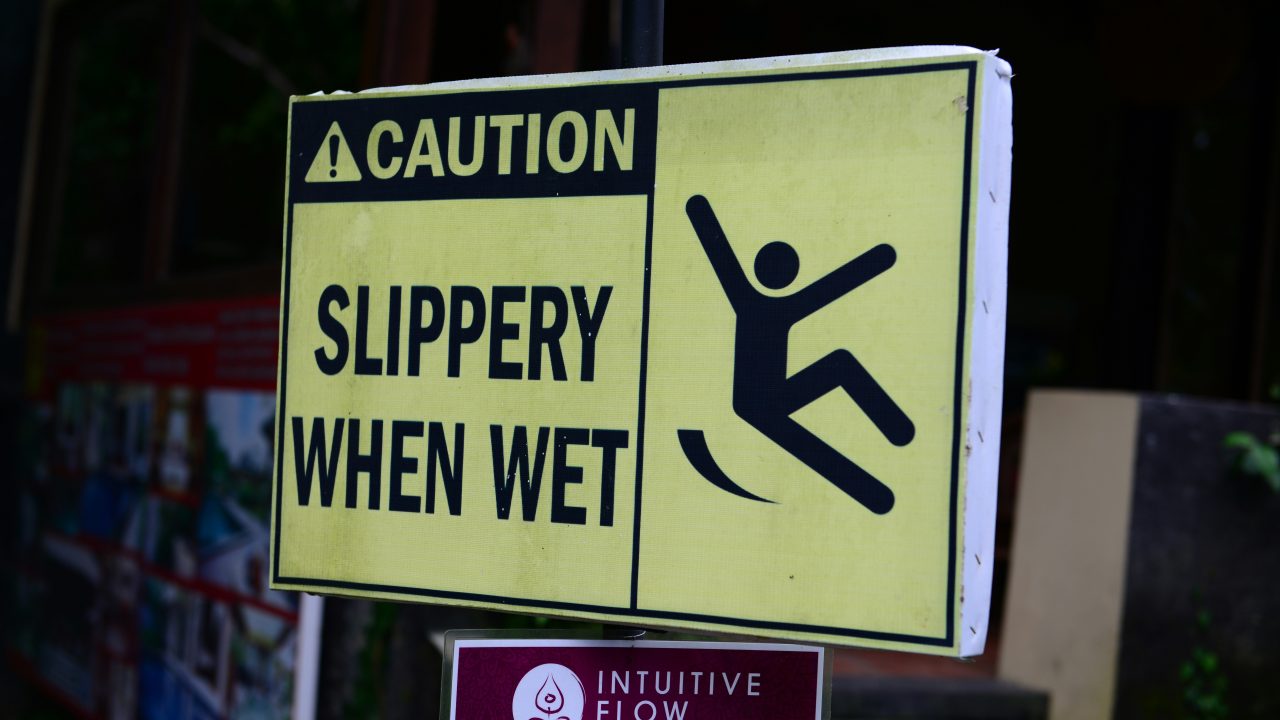
Photo by Odd Fellow on Unsplash
Newark is a city defined by constant movement. Millions of people pass through its streets, office buildings, retail spaces, and public transit systems every week, making it one of the most active urban environments in New Jersey. But that same density and pace create conditions where property hazards go unnoticed, unreported, and unaddressed far too often. A poorly maintained stairwell, a spill left unattended, and a cracked parking lot surface—these are not minor oversights in a city this busy.
They are genuine dangers, and when they cause injuries, the question of who is legally responsible becomes anything but simple. Property owners in Newark have a clear duty to maintain safe conditions for anyone on their premises, and when they fail, the burden of proving that failure falls on the injured party and their legal team. Knowing where to find legal help for slip and fall injuries is the critical first step toward holding negligent property owners accountable and securing the compensation you deserve.
Identifying Dangerous Conditions
Lawyers start by identifying the dangers that caused an injury to a person. Some frequently encountered hazards are wet sidewalks, cracked walkways, poor illumination, or cluttered sidewalks. Then, they meticulously examine every detail of the area where the incident occurred. Documenting these dangerous situations builds the foundation for the attorneys to file a strong case. Support for these claims is often detailed photos and written observations.
Gathering Evidence at the Scene
Evidence must be collected promptly at the accident scene. They gather surveillance video, incident reports, and witness statements. Sometimes video recordings capture the fall itself, revealing the unsafe condition. Witnesses talk about how it was before and how it was after. Current photographs guarantee the preservation of the scene, even if the area undergoes future changes.
Proving Knowledge of the Hazard
And in particular, they will be checking whether there were signs that the danger had existed for a long time. Records of maintenance logs, cleanliness, and complaints from past visitors become priceless. If other people complained of similar problems before this, the information supports the claim that the defect was not dealt with promptly.
Establishing Failure to Act
After identifying the risk, lawyers show that the property owner failed to remedy or warn about it. It should have been marked off so that no one was walking there. Attorneys say that reasonable precautions were taken only if those measures were present. Failing to rectify a hazard is tantamount to neglect of the visitor’s safety.
Demonstrating Causation
One critical step is linking the hazard with harm. Attorneys need to connect that dangerous condition directly to the accident that hurt you. Medical records and expert testimony often establish this connection. A doctor can tell his mama that the injuries are consistent with the fall and say her son fell off the porch. This, then, is evidence against counterfactuals and contributes to a positive case for the claim.
Addressing Comparative Fault
When a defendant seeks to reduce his or her liability, he or she can often do so by arguing that the injured person was somehow partially responsible for his or her accident. Lawyers try to counter by showing their client was reasonable. If one wears appropriate footwear and pays attention to their surroundings, any fault may be minimal. Details on what both parties did before the accident can usually be obtained through surveillance footage or witness statements.
Highlighting Previous Incidents
However, showing a pattern of negligence can strengthen the case. Lawyers search to see if there have been prior incidents at the premises. Such behavior indicates a failure to institute necessary improvements to safety protocols if records show multiple complaints or injuries, which can demonstrate a disregard for the safety of individuals on the premises. Evidence of systematic property owner negligence through repeated incidents strengthens the overall case.
Calculating Damages
Once negligence is established, the next step is determining the full scope of damages caused by the injury. Legal professionals gather medical bills, lost wage documents, and pain or suffering statements. This information reveals the cost of recovery. A timely evaluation ensures the consideration of all losses, both monetary and psychological, in the process of claiming damages.
Conclusion
This means that slip and fall attorneys must have a good amount of proof, as well as a comprehensive investigation done to show negligence on the property. Focus on dangerous conditions, knowledge of the owner, failure to act/abate, and the effect on the victim to create a strong case. Those who are impacted by unsafe premises also gain from knowing these strategies, as they can better understand how to identify unsafe conditions, gather necessary evidence, and present their case effectively. This knowledge allows individuals to defend their rights and seek compensation when they are harmed by another person acting carelessly.
Buy Me A Coffee
The Havok Journal seeks to serve as a voice of the Veteran and First Responder communities through a focus on current affairs and articles of interest to the public in general, and the veteran community in particular. We strive to offer timely, current, and informative content, with the occasional piece focused on entertainment. We are continually expanding and striving to improve the readers’ experience.
© 2026 The Havok Journal
The Havok Journal welcomes re-posting of our original content as long as it is done in compliance with our Terms of Use.


