Photo by Scott Greer on Unsplash
Injury victims after a car accident invariably ask themselves how much is my case worth? The question is a logical one but the answer is not always easy. Several factors affect car accident injury claims, such as the severity of the injuries, evidence available, insurance coverage and the long-term effects of the accident.
The value of a claim is not calculated from a single medical bill or repair bill for the car. Rather they perform a comprehensive investigation of all of the evidence, documentation, and factors involved in the accident. This will make it easy for them to identify the good and bad sides of the case, as well as the compensation they may receive and a good legal strategy.
It is important to understand how a personal injury attorney reviews car accident injury claims, so accident victims can have realistic expectations and make informed choices during their case.
Why Claim Evaluation Matters
All personal injury cases start with an evaluation. This preliminary evaluation is used to see if there is any valid claim to evaluate and what factors might affect the claim.
Understanding the Value of a Personal Injury Claim
A number of people think that injury claims are valued in a straightforward manner. Attorneys take into account various factors in reality to estimate potential compensation. The evaluation isn’t just about counting damages, it’s about figuring out how likely it is that you’ll be able to establish your liability and collect damages.
A minor injury case with clear liability might be handled differently from a catastrophic injury case where multiple parties are involved in the liability dispute. Attorneys engage in a careful review of the legal and practical aspects before giving guidance to their clients.
Factors That Influence Compensation
There are a number of factors that will typically impact the claim value and they include:
- The severity of injuries.
- Length of medical treatment
- Lost income
- Future medical expenses
- Pain and suffering
- Insurance policy limits
- Strength of evidence
- Comparative fault issues
These all are components of an overall evaluation of a claim.
The First Step: Reviewing Liability
Any attorney trying to assess damages will have to establish who’s liable for the crash.
Determining Who Was at Fault
One of the most crucial elements of any injury claim is liability. Without fault being established, it is much harder to obtain compensation.
When reviewing an accident report, attorneys will look at the evidence, including photographs, videos, witness statements, and the accident itself, to gain insight into how the accident happened. Some common car accident causes involve careless driving, failure to stop, speeding, intoxication, and distracted driving.
The greater the evidence showing that negligence has occurred, the stronger will be the claim in general.
Evidence Used to Establish Liability
To use multiple sources of evidence, attorneys will typically use:
| Type of Evidence | Purpose |
| Police Reports | Official documentation of the accident |
| Witness Statements | Independent observations |
| Photographs | Visual evidence of damage and conditions |
| Surveillance Footage | Objective record of events |
| Dashcam Videos | Direct evidence of the collision |
| Expert Analysis | Accident reconstruction when needed |
Multiple types of evidence can be helpful in establishing a more complete picture of the accident.
Assessing the Severity of Injuries
After determining liability, car accident attorney try to grasp the full extent of the injuries sustained by the victim.
Medical Records and Treatment History
Medical documentation is a key aspect to the evaluation of claims. Allocation of attorneys to review emergency room records, physician reports, diagnostic imaging and surgical records, physical therapy notes and treatment documents.
These records can provide answers to some vital questions:
- What injuries occurred?
- What are the consequences of their inability?
- What kind of medical attention was needed?
- Is the victim totally recovered?
- Does future treatment need to be considered?
Full medical records provide a linkage between the accident and the damages sought.
Long-Term Impact of Injuries
Not all injuries heal quickly. In some cases, the injury can cause a permanent disability, chronic pain, decreased mobility or continued medical complications.
Lawyers thoroughly consider the impact that injuries have on a person’s ability to work, live their daily lives, and enjoy their lives. A complete broken bone might be worth less than a spinal injury that is going to require treatment for the rest of his life.
The long-term effects of an injury can be an important factor in calculating compensation.
Calculating Economic Damages
Economic damages are quantifiable and measurable monetary losses.
Medical Expenses
One of the biggest expenses in a personal injury case is usually the medical expenses. Attorneys go over all accident related health care costs, such as:
- Emergency treatment
- Hospital stays
- Surgeries
- Physical therapy
- Rehabilitation
- Prescription medications
- Medical equipment
- Future treatment costs
The objective is to cover the medical costs that have occurred and are expected due to the accident.
Lost Income and Future Earnings
With the injuries making it impossible to work, lost income is a factor in the claim.
Attorneys may review:
- Pay stubs
- Tax returns
- Employment records
- Employer statements
If the injuries are severe, experts may be called in to calculate the victim’s future lost earning potential.
Property Damage
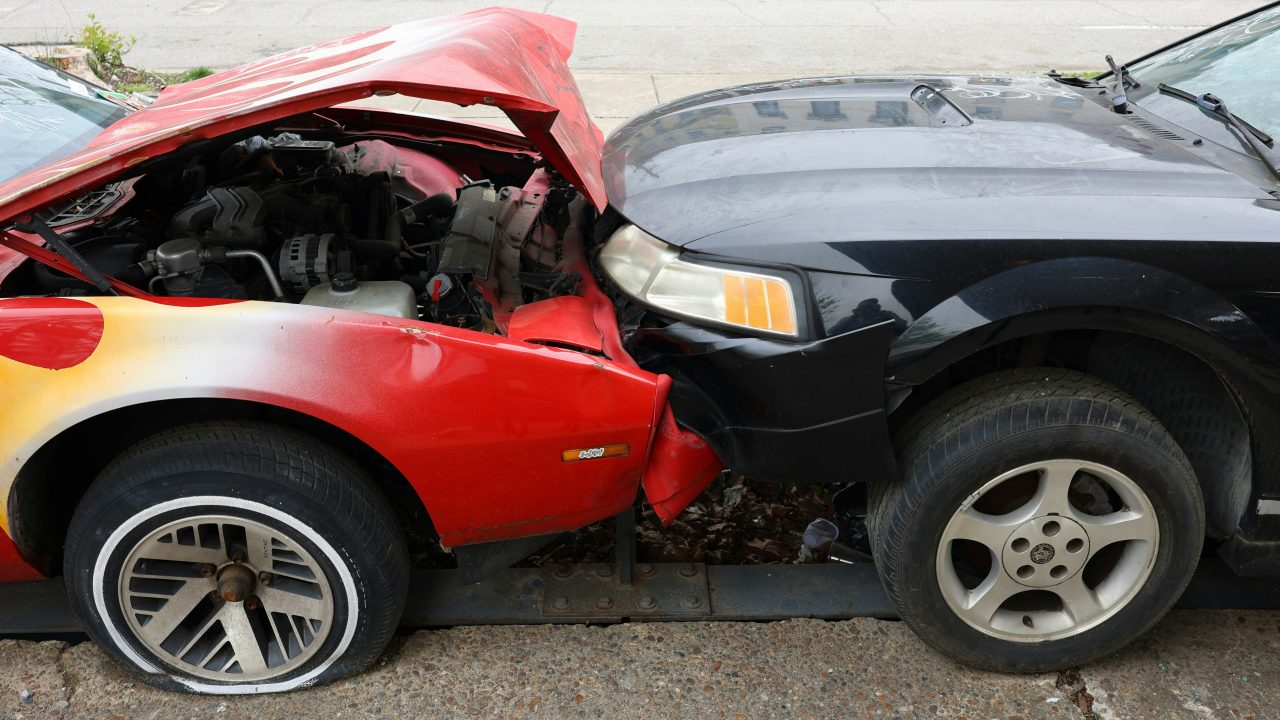
The cost of replacing the vehicle or repairing it is also taken into account in the evaluation. Although claims for property damage are frequently sorted out in conjunction with an injury claim, they can also be useful in determining the seriousness of a collision.
When the force of impact and resulting injuries are questions to be addressed, significant damage to vehicles can sometimes provide evidence.
Evaluating Non-Economic Damages
There are some losses that we do not have a receipt or invoice for. These are known as non-economic damages.
Pain and Suffering
Pain and suffering compensation deals with the physical pain and suffering resulting from the injuries. Significant injuries can lead to long recovery times, chronic pain and continued physical restrictions.
When determining these damages, attorneys will review medical records, the length of treatment and physician opinions.
Emotional Distress
Accidents can impact beyond the physical. Numerous accident victims suffer from anxiety, depression, insomnia, post-traumatic stress and other emotional issues after the crash.
Mental health treatment records and professional evaluations can help to document emotional suffering.
Loss of Enjoyment of Life
People become unable to do the things they used to enjoy as a hobby, recreational activity, in the family or in their everyday lives because of some injuries.
These lifestyle changes are taken into account by attorneys in assessing non-economic damages. However, these losses are not as concrete as medical costs, and can contribute to the total loss.
The Role of Insurance Coverage
Even a robust injury claim can be impacted by any available insurance coverage.
Policy Limits
There are coverage limits in insurance policies that will limit the amount that can be compensated. Attorneys check the insurance policy of the driver at fault to see what coverage may be available.
For example:
| Coverage Type | Potential Purpose |
| Bodily Injury Liability | Covers injury-related damages |
| Property Damage Liability | Covers vehicle damage |
| Medical Payments Coverage | Helps pay medical expenses |
| Personal Injury Protection | Provides certain benefits regardless of fault |
Limits may play a big role in insurance settlements.
Uninsured and Underinsured Drivers
Unfortunately, not everyone is insured properly. If there is insufficient coverage from the at-fault party, attorneys may consider other coverage options that may be available, such as uninsured or underinsured motorist coverage.
These scenarios frequently call for further research and planning.
Comparative Fault and Its Impact
Sometimes, more than one party may be at fault in accidents. Attorneys closely analyze if the injured individual is also at any fault.
Examples include:
- Speeding
- Distracted driving
- Failure to abide by traffic signals.
- Unsafe lane changes
If there is comparative fault, the injured party may be held partially liable for the damages and receive a lower payout. It is an important factor to consider in assessing the total worth of a claim.
How Attorneys Use Evidence to Strengthen Claims
The basis of any successful personal injury case is evidence. Efficiently collecting, compiling and investigating evidence for clients is a time-consuming process for attorneys.
Important evidence could be:
- Medical records
- Expert opinions
- Accident reconstruction reports
- Employment documentation
- Witness testimony
- Surveillance footage
- Photographs and videos
Strong evidence is not only useful in determining the liability but also in determining the amount of damages. The better a claim is documented, the more convincing it will be in a negotiation or litigation.
Why Every Car Accident Case Is Different
A major error that people make is believing that all personal injury cases have a simple template that can be followed. However, each accident has its own set of facts and issues.
Injuries to two individuals can be identical but the amount of compensation they receive will differ in regard to:
- Age
- Occupation
- Medical history
- Recovery timeline
- Insurance coverage
- Available evidence
- Degree of fault
This is due to the various factors involved, so attorneys cannot rely on average estimates and will consider each case on its own merits.
Conclusion
When evaluating a car accident injury claim, there’s far more to it than just totaling medical bills. When determining the value of a claim, attorneys consider a myriad of factors, including liability, medical evidence, financial losses, insurance coverage, and long-term effects.
It involves a great deal of knowledge of both legal theory and actual realities for the victim of an injury. Every part of the accident can impact compensation, from determining fault to calculating damages for the future.
Knowing the evaluation process can be beneficial for accident victims to gain insight into the process and help them have realistic expectations. The more evidence and the more damages are documented, the stronger the claim is. If you’ve been injured in a crash, a Miami Accident Attorney at Suarez & Montero can walk you through what your claim may be worth.
Buy Me A Coffee
The Havok Journal seeks to serve as a voice of the Veteran and First Responder communities through a focus on current affairs and articles of interest to the public in general, and the veteran community in particular. We strive to offer timely, current, and informative content, with the occasional piece focused on entertainment. We are continually expanding and striving to improve the readers’ experience.
© 2026 The Havok Journal
The Havok Journal welcomes re-posting of our original content as long as it is done in compliance with our Terms of Use.