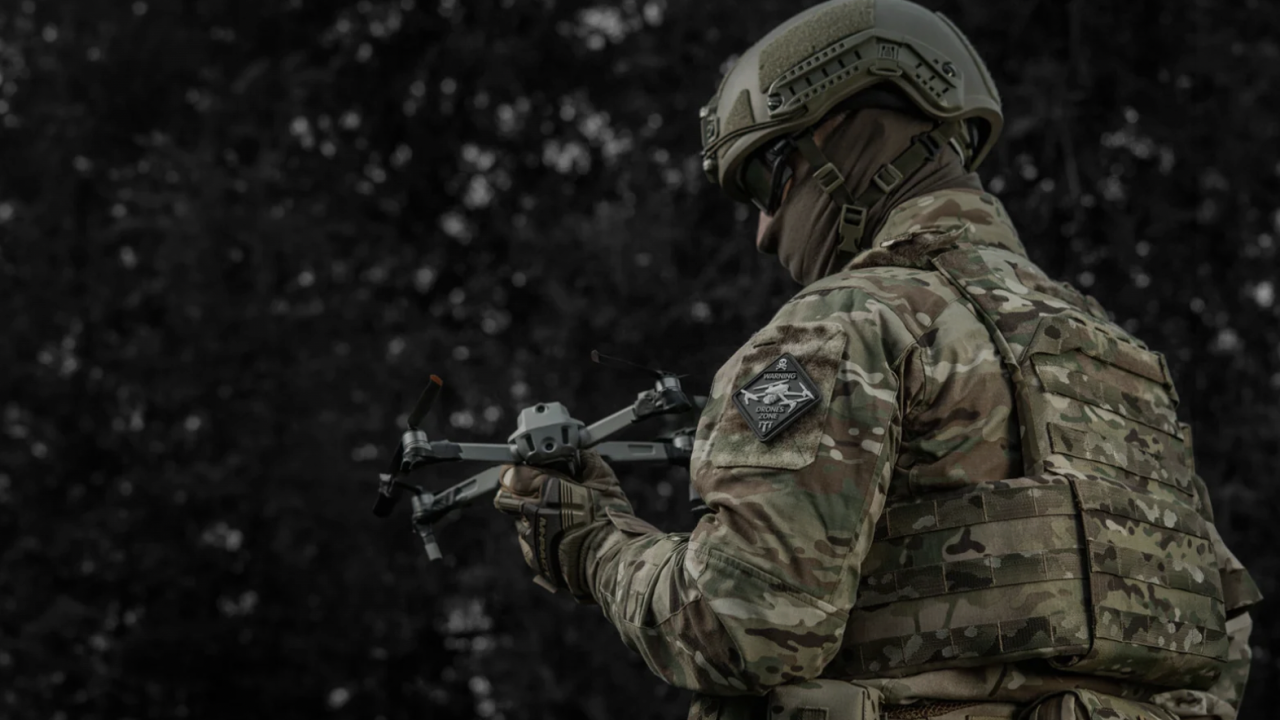
Walk into any surplus store or scroll through a tactical gear retailer online, and you’ll find hundreds of options that all claim to be “battle tested” or “mission ready.” Most of it is marketing. The gear that actually holds up under real conditions, whether that’s a training exercise, a hunting trip, or an actual deployment, tends to share a handful of traits that have nothing to do with how aggressive the product photos look.
For veterans, current service members, and civilians who take their outdoor and tactical gear seriously, understanding what separates functional equipment from costume-grade knockoffs can save both money and, in some cases, real discomfort or risk.
Camouflage Is Not One-Size-Fits-All
One of the most common mistakes people make when buying tactical gear is assuming that camouflage is interchangeable. Olive drab, woodland, and green patterns get lumped together constantly, but they are designed for different environments and serve different purposes. A pattern optimized for dense forest cover will not perform the same way in arid or mixed terrain, and the wrong choice can mean the difference between blending in and standing out.
This is a topic that gets oversimplified a lot online, mostly by people who have never had to rely on their gear in the field. For a breakdown that actually comes from someone with hands-on military experience rather than a marketing team, the folks at M-Tac put together a solid comparison of olive versus green camouflage and which pattern actually holds up depending on the environment. It’s a useful read if you’ve ever wondered why two patterns that look almost identical on a screen behave completely differently once you’re actually wearing them outside.
Fabric and Construction Matter More Than Branding
Beyond pattern selection, the biggest differentiator between gear that lasts and gear that falls apart is construction quality. Ripstop fabrics, reinforced stitching at stress points, and quality zippers and buckles are not glamorous details, but they’re the difference between a jacket that survives a season of hard use and one that tears at the seams after a few weeks.
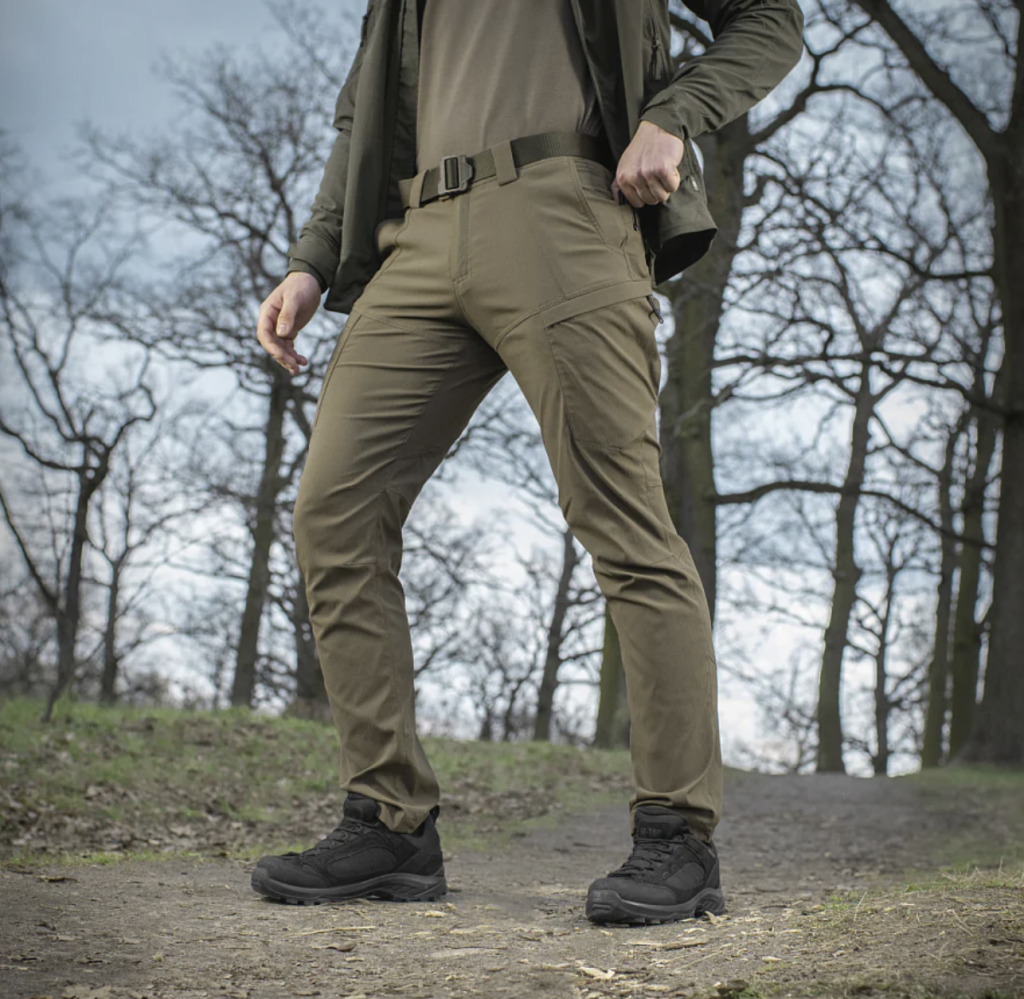
This is especially true for pieces that see constant movement and abrasion, like tactical cargo pants, which need to hold up to kneeling, crawling, and repeated loading of pockets without the fabric giving out or the seams splitting. A pair built with proper double-stitched seams and durable ripstop material will outlast a cheaper look-alike by years, even if the price tag suggests otherwise.
Function Should Drive the Purchase, Not Aesthetics
It’s easy to get drawn in by gear that looks aggressive or tactical for the sake of looking tactical. But every serious buyer, whether they’re a veteran outfitting themselves for hunting season, a prepper building a bug-out kit, or a current service member supplementing issued gear, should be asking the same basic questions before buying anything:
- Does this material perform in the specific environment I’ll actually be in?
- Will the stitching and hardware hold up to repeated stress?
- Is the fit designed for actual movement, or just for standing still in a catalog photo?
- Has anyone with real field experience actually tested this, or is the marketing copy written by someone who has never worn it?
That last question matters more than people give it credit for. A lot of gear reviews online are written by people with no relevant background, recycling specs from a product page. Content written by people who have actually served and actually used the gear in question tends to be far more reliable, even if it’s less polished.
Why This Matters Beyond the Battlefield
Not everyone reading this is currently in uniform, and that’s fine. A lot of the same principles apply to hunters, campers, search and rescue volunteers, and anyone who spends serious time outdoors in demanding conditions. Camouflage effectiveness, fabric durability, and honest field-tested reviews matter just as much whether you’re navigating a training exercise or trying to stay warm and dry on a multi-day hike.
The bigger point is this: tactical gear is a category flooded with noise, and it takes a bit of skepticism to sort the functional from the flashy. Looking for brands and writers with actual military backgrounds, rather than pure marketing departments, is one of the simplest ways to filter out the noise.
Bottom Line
Good tactical gear isn’t about looking the part. It’s about materials that hold up, patterns that actually match your environment, and construction that survives real use rather than a photoshoot. Whether you’re a veteran, a current service member, or a civilian who takes their outdoor gear seriously, it pays to do a little homework before you buy, and to trust sources that have actually been in the field rather than just written about it.
Buy Me A Coffee
The Havok Journal seeks to serve as a voice of the Veteran and First Responder communities through a focus on current affairs and articles of interest to the public in general, and the veteran community in particular. We strive to offer timely, current, and informative content, with the occasional piece focused on entertainment. We are continually expanding and striving to improve the readers’ experience.
© 2026 The Havok Journal
The Havok Journal welcomes re-posting of our original content as long as it is done in compliance with our Terms of Use.


