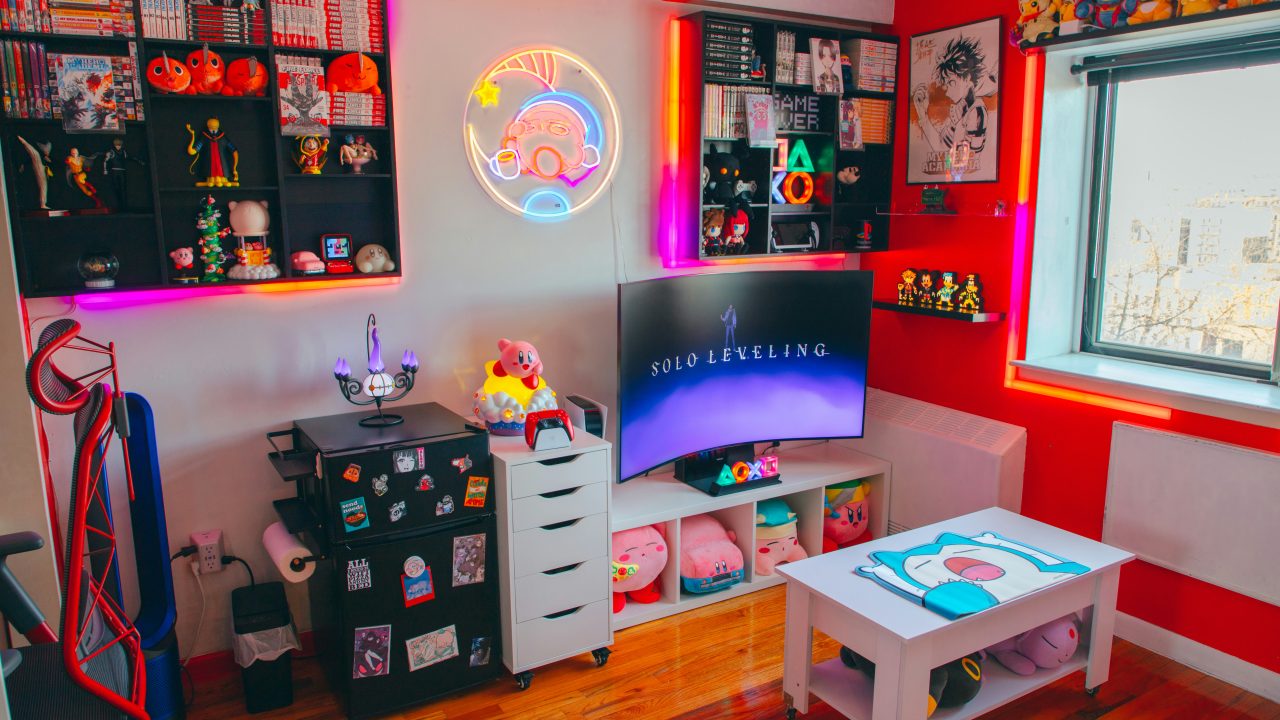
Photo by Branden Skeli on Unsplash
Limited-edition collectible figures for modern fans have become more than toys on a shelf—they’re conversation pieces, status markers, and sometimes surprisingly shrewd purchases. This is especially true in the world of playstation collectibles, where nostalgia, global fandom, and controlled production runs converge around franchises tied to PlayStation. Whether someone collects out of love for a specific game universe, to support a designer or licensed release, or with an eye toward future resale, today’s market blends boutique craftsmanship, fast-moving digital hype cycles, and worldwide access through ecommerce and drops. This article breaks down what actually makes a figure “limited,” why contemporary collectors are drawn to them, how production and authentication work, and practical strategies for buying, storing, and—if desired—selling pieces later without falling prey to artificial scarcity or short-lived hype.
What Defines a Limited-Edition Collectible Figure
A limited-edition collectible figure is defined by constraints placed on its availability, a deliberate cap on how many units exist, how long it’s available, or both. That scarcity can be expressed in several ways: a fixed production run (for example, 500 units), a numbered certificate that ties a particular figure to a finite sequence, or time-limited releases where a design is sold for a short window only.
Beyond numbers, limited-edition status often includes unique attributes that set pieces apart from mass-market counterparts. These attributes can include variant paint schemes, alternate accessories, hand-painted details, artist signatures, or exclusive packaging. Sometimes figures are tied to events, conventions, anniversaries, or collaborations, which further distinguishes them.
Two other common elements help define limited editions:
- Exclusivity mechanics: Preorder-only drops, subscription boxes, or retailer-exclusive variants create different layers of access.
- Provenance markers: Certificates of authenticity, artist notes, or serialized packaging that document a figure’s origin and place within a run.
Understanding these distinctions matters for collectors because they affect not only the emotional value of an item but also how the piece should be stored, displayed, insured, or marketed later.
Why Modern Fans are Drawn to Limited Editions
Modern fans gravitate toward limited editions for a mix of emotional and practical reasons.
Emotionally, limited runs signal a connection. Owning a numbered piece or an exclusive collaboration can feel like belonging to a smaller, more engaged community. The tactile quality of premium materials and thoughtful design also creates an enjoyable, sensory experience that mass-produced items often lack.
Culturally, the collectible figure space taps into fandom rituals: drops, unboxings, and community trading create shared narratives that feed enthusiasm. Social media amplifies that dynamic; a rare variant shown online can spark instant interest, conversations, and friendships.
Practically, limited editions can hold or increase value. Collectors who do their assignments sometimes find that certain runs appreciate because of low supply and sustained demand. But it’s not guaranteed; success depends on factors discussed later, like condition, rarity, and provenance.
Finally, modern production techniques and artist-driven projects have elevated expectations. Fans now expect cinematic detail, premium materials, and storytelling in design. Limited editions often fulfill those expectations by allowing creators to invest more time and resources per unit, producing something collectors genuinely covet.
How Limited Editions are Designed and Produced
Design and production of limited-edition figures blends creative vision with manufacturing realities. Projects typically begin with concept, sketches, 3D sculpts, and color studies, followed by prototype development. Prototypes are crucial: they allow artists and manufacturers to test proportions, articulation, and paint applications before committing to a full run.
Once a prototype is approved, manufacturers determine feasible production quantities based on costs, tooling, and expected demand. Limited runs often use smaller manufacturing facilities or specialized subcontractors to preserve detail and ensure quality control.
Materials and finishing techniques vary widely. Resin and polystone enable fine sculptural detail, while PVC and ABS are useful for articulated figures. Hand-painting or tampo printing adds nuance, and premium packaging, foam inserts, magnetic cases, or embossed boxes, reinforce exclusivity.
Key Characteristics to Look For
- High-quality sculpt and paint apps: Look for crisp lines, consistent paint edges, and careful shading.
- Durable assembly: Joints, pegs, and sockets should feel precise, not loose or brittle.
- Quality packaging: Removable foam, serialized boxes, and artist notes add to both displayability and preservation.
- Clear numbering or certificates: A printed serial number or COA (certificate of authenticity) ties an item to its limited run.
Production Runs, Numbering, and Variants
Production runs can be absolute (e.g., 250 units worldwide) or tiered (e.g., 250 standard, 50 deluxe). Numbering schemes differ: some pieces are individually numbered (“#23/250”), while others rely on batch codes. Variants, repaints, chase (random rare insert), or retailer exclusives, complicate matters but also create opportunities for collectors to chase specific configurations.
Manufacturers sometimes reissue popular designs, which can affect value. Reissues may carry a disclaiming change (like a different base or packaging) to distinguish them from the original run, but collectors should always check how reissues are announced to avoid surprises.
Where to Find and Verify Authenticity
Finding limited-edition figures and confirming their authenticity requires a mix of vigilance, source knowledge, and basic forensic checks.
Official Drops, Retailers, and Direct-to-Consumer Releases
The most reliable sources are official channels: the manufacturer’s online store, authorized retailers, and sanctioned event booths. Direct-to-consumer releases, either from the brand or the artist, are often the cleanest path to guaranteed authenticity. Fans should subscribe to newsletters, follow verified social channels, and join official communities to get drop details and preorder links.
Retailer exclusives at brick-and-mortar stores or online retailers sometimes require local pickup or timed reservations: these can be excellent opportunities for collectors who prefer to inspect items in person.
Secondary Marketplaces and Auction Platforms
Secondary marketplaces, auctions, resale platforms, and enthusiast forums are essential for rare finds but come with higher risk. Auction houses can be trustworthy for high-value pieces, offering provenance documentation. Resale sites and collector forums can yield steals, but pricing varies widely and depends on seller reputation.
When buying used on the secondary market, ask for high-resolution images, original packaging shots, and any certificates. If possible, request video verification of serial numbers and unique identifiers.
Authentication Tips and Red Flags to Avoid Fakes
- Compare photos with official images: Small sculpt differences or sloppy paintwork often signal counterfeit pieces.
- Check serial numbers and COAs against manufacturer registries when available.
- Inspect packaging: counterfeiters often skimp on inner foam, holographic seals, or embossing.
- Beware of prices that seem too good: extremely low listings for “rare” variants are a common bait.
- Trust the seller’s history: long-standing sellers with detailed feedback and real-world presence are safer.
If uncertainty remains, collectors can consult established community authentication threads or pay for third-party authentication services for high-ticket items.
How to Buy Smart: Strategies for Modern Collectors
Buying limited-edition figures smartly requires planning, discipline, and an awareness of market rhythms.
Preorders, Waitlists, and Drop-Day Tactics
Preorders are the primary route to secure highly anticipated releases. Joining waitlists, setting calendar reminders, and creating accounts ahead of drops reduces friction. For timed drops, having multiple payment methods and autofill details helps speed checkout.
Drop-day tactics include using multiple devices or browsers to increase chances (while respecting seller terms), monitoring official social feeds for last-minute confirmations, and coordinating with collector groups that share real-time updates.
Budgeting, Prioritizing, and Avoiding Impulse Buys
Collecting can get expensive fast. Modern collectors benefit from a clear budget and priority list: decide which licenses, artists, or scales matter most and stick to that hierarchy. Avoid impulse buys by waiting 24–48 hours on unplanned purchases: time often clarifies whether an item is essential.
A simple rule: allocate a fixed percentage of disposable income to collecting and tracking purchases to avoid overspending. For business-minded collectors, record keeping, purchase dates, receipts, and condition notes pay dividends later.
Using Technology: Alerts, Bots, and Verified Seller Tools
Technology levels the playing field. Alerts from marketplaces, restock trackers, and community bots can send instant notifications when items appear. Some collectors use purchase bots for high-demand drops, but they come with ethical and platform-risk considerations: they may violate store policies and can result in canceled orders.
Verified seller tools and buyer protection features (like escrow services or payment disputes) are safer tech options for the secondary market. Always prioritize platforms that offer recourse if a transaction goes wrong.
Caring, Storing, and Displaying Collectible Figures
Preserving limited-edition figures preserves both sentimental and potential monetary value. Proper care starts with the right environment and continues through thoughtful display choices.
Best Practices for Long-Term Preservation
- Avoid direct sunlight: UV exposure fades paint and weakens plastics.
- Control temperature and humidity: stable, moderate conditions (60–75°F, 40–55% humidity) reduce material stress.
- Handle minimally and with clean hands or gloves to prevent oils and dirt from degrading finishes.
- Retain original packaging: boxes, inserts, and COAs significantly increase resale value and ease future transport.
- Use archival materials: acid-free tissue, silica gel packets for moisture control, and soft microfiber cloths for cleaning.
Display Options that Balance Aesthetics and Protection
Display choices should balance visibility with protection. Glass or acrylic cases shield figures from dust and curious fingers while maintaining visibility. For articulated figures, consider stands with adjustable clamps to reduce strain on joints.
Rotate displays occasionally. Long-term static positions can stress joints or develop uneven light exposure. Also, keep high-value or fragile pieces in climate-controlled cabinets if possible.
Label displays with provenance notes, where and when the item was acquired, edition number, and any restoration or repair history. Those small records make pieces more attractive to future buyers or heirs.
Investment and Resale Considerations
Some collectors treat limited editions as part of an informal investment strategy. While that’s valid, it’s critical to approach resale with realistic expectations.
How Rarity, Condition, and Provenance Affect Value
- Rarity: Scarcity drives interest. Lower production numbers often command higher premiums, especially when demand remains steady.
- Condition: Mint-in-box items almost always outperform opened or damaged pieces. Even minor paint chips, loose joints, or missing accessories can sharply reduce value.
- Provenance: A documented chain of ownership, original receipts, and COAs enhance trust and often boost the final sale price.
Other factors that influence value include the popularity of the underlying franchise, the reputation of the designer or manufacturer, and cultural moments that renew interest (anniversaries, media reboots, or high-profile endorsements).
Timing Your Sale and Choosing the Right Marketplace
Timing can matter. Selling immediately after a drop may capture demand from late buyers but usually yields prices near retail. Waiting can pay off if the market tightens or the franchise gains momentum. Conversely, long waits carry storage costs and the risk of fading interest.
Choosing a marketplace depends on item value and audience. Auction houses and specialist dealer platforms suit high-ticket, rare items with provenance. General marketplaces and enthusiast forums work for mid-range pieces and provide a broader reach. Always factor in fees, shipping insurance, and the platform’s dispute resolution processes when calculating net returns.
Conclusion
Limited-edition collectible figures occupy a sweet spot between fandom and craftsmanship. For modern fans, whether they collect for joy, community, or potential resale, success depends on understanding what makes an edition limited, verifying authenticity, and practicing disciplined buying and caring habits.
Collectors who plan, document purchases, and treat their items with proper care enjoy the best of both worlds: the daily pleasure of well-made objects on display and the optional upside of future value. With insight, patience, and a clear set of priorities, limited-edition figures can be rewarding cultural artifacts and thoughtful assets in any modern collection.
Buy Me A Coffee
The Havok Journal seeks to serve as a voice of the Veteran and First Responder communities through a focus on current affairs and articles of interest to the public in general, and the veteran community in particular. We strive to offer timely, current, and informative content, with the occasional piece focused on entertainment. We are continually expanding and striving to improve the readers’ experience.
© 2026 The Havok Journal
The Havok Journal welcomes re-posting of our original content as long as it is done in compliance with our Terms of Use.


