Photo by Rozam Ali on Unsplash
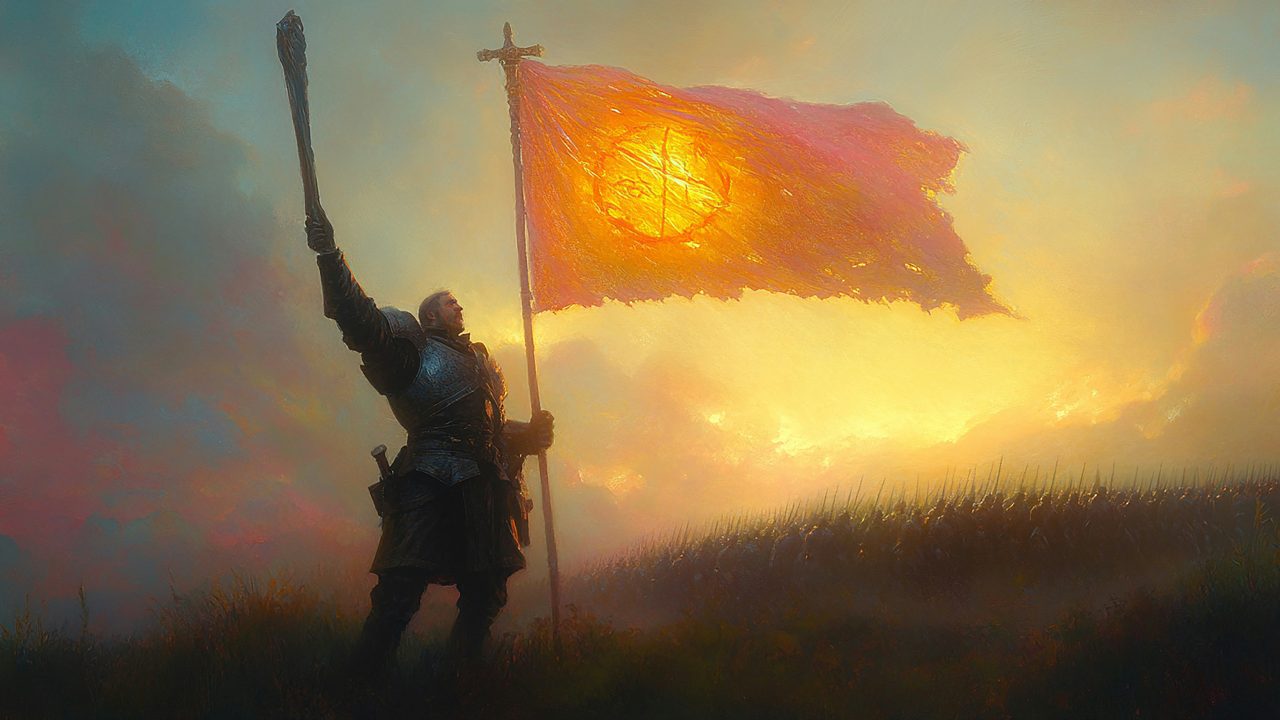
Long before drones and night vision, warriors trained their bodies and minds in ways that look almost quaint now. No screens, no sights that do the aiming for you, just years of repetition until a skill became instinct. It would be easy to file these old disciplines under nostalgia. The funny thing is how well they hold up. Strip away the romance and a lot of ancient warrior training was really about attention, control, and mastery of the self, which never goes out of date.
What the old warriors really trained
The popular image is muscle and bloodshed. The reality was closer to a lifelong apprenticeship in focus. A samurai spent decades on form. A mounted archer learned to control a galloping horse, a bow, and his own breathing all at once. These were not brutes. They were craftspeople whose craft happened to be combat.
The common thread was patience. Mastery came from thousands of unglamorous repetitions, the kind most modern people abandon after a week. That willingness to grind toward competence is the part worth stealing.
Horsemanship and the art of partnership
Riding into battle meant trusting an animal that outweighed you several times over. Warriors learned to read a horse, to communicate through pressure and posture rather than force. It was a partnership built on calm authority, not domination.
That skill survives today in equestrian sport and ranch work, but the lesson is broader. Reading another being, staying composed enough that your nerves do not transmit, leading without bullying: these translate directly into how people manage teams and high-pressure situations now.
Swordsmanship as moving meditation
Sword arts look like fighting and feel like meditation. Practitioners describe a state where the analytical mind quiets and the body simply responds. Modern fencing and kendo preserve this, and people who practice them talk about the same mental clearing that ancient texts described centuries ago.
For anyone whose head runs hot, an activity that demands total presence is genuinely therapeutic. You cannot ruminate on tomorrow while someone is trying to score a touch on you right now. The blade forces you into the moment, which is exactly where most of us struggle to stay.
Archery: the warrior skill with the cleanest comeback
Of all these disciplines, archery has aged the best. It needs no horse, no sparring partner, and no risk of getting cut. What it does demand is precision, stillness, and a frustrating amount of self-control. The bow rewards the calm and punishes the rushed, which is why it has quietly become one of the more popular ways for adults to test themselves.
Picking it up no longer means tracking down a reclusive master either. Structured archery lessons make the fundamentals accessible to anyone willing to put in the hours, and a good coach gets you past the early frustration that makes people quit. Within a few sessions you understand why archers across history treated the practice as a discipline of the mind as much as the arm.
Why these skills land differently for service members
People with a military background often take to these old arts faster than most. The patience, the respect for form, the comfort with repetitive drilling, all of it is already there. What ancient warrior training and modern service share is the understanding that competence is built, not given, and that the boring repetitions are the point.
That shared philosophy is probably why veterans gravitate toward archery, martial arts, and the like. The packaging is centuries old, but the values underneath feel like home.
Old disciplines, modern purpose
None of this is about pretending we live in a different era. Nobody is suggesting you defend your home with a longbow. The value is in what the practice does to you. These skills build the kind of focus and patience that screens and shortcuts have quietly eroded in most of us.
Reaching back to how warriors once trained is really a way of reclaiming attention spans and self-control that modern life keeps chipping away. The arrow does not care what century it is. It only flies true when you have done the work, and that lesson is as useful now as it ever was.
Buy Me A Coffee
The Havok Journal seeks to serve as a voice of the Veteran and First Responder communities through a focus on current affairs and articles of interest to the public in general, and the veteran community in particular. We strive to offer timely, current, and informative content, with the occasional piece focused on entertainment. We are continually expanding and striving to improve the readers’ experience.
© 2026 The Havok Journal
The Havok Journal welcomes re-posting of our original content as long as it is done in compliance with our Terms of Use.


