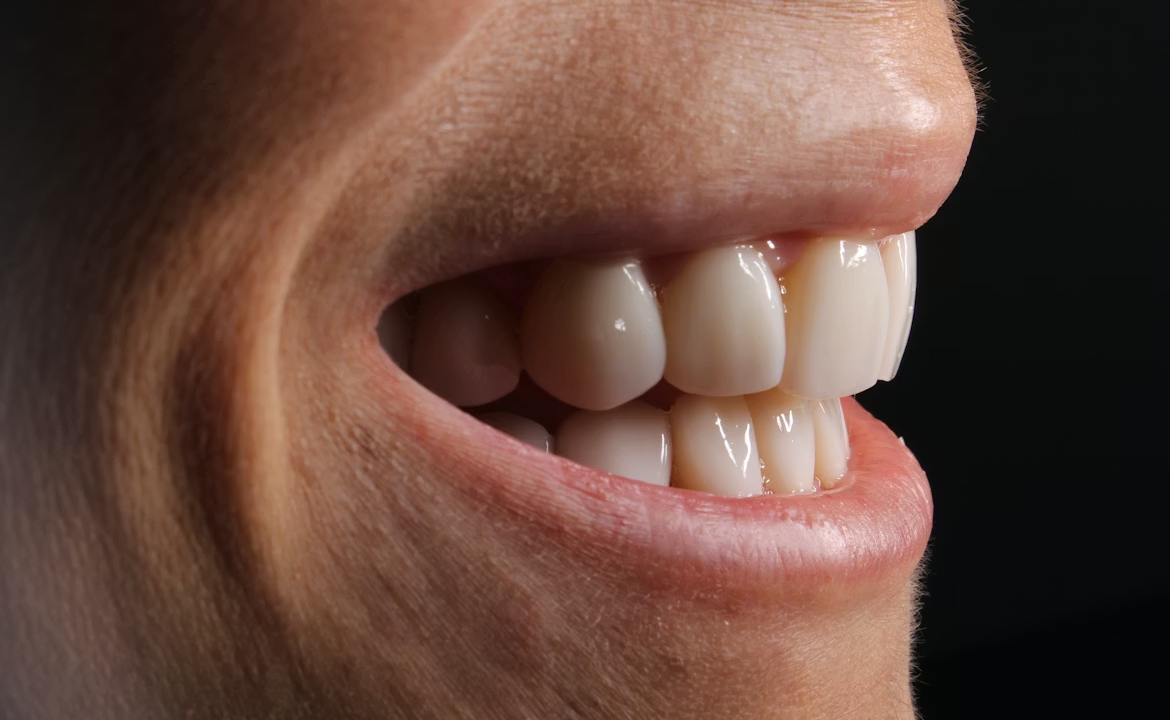
The American Dental Association reports that cosmetic dental procedures have increased by over 300% in the past decade, with porcelain veneers leading the surge as the most requested smile enhancement. Unlike temporary fixes or invasive reconstructions, veneers represent a permanent shift in how your teeth look, feel, and function — which means they also change how you navigate everyday activities. As dental technology has advanced to make veneers thinner and more durable, the integration process has become smoother, but it’s not seamless.
For anyone considering this investment in their smile, the practical reality extends far beyond the dentist’s chair. Your morning coffee routine, evening skincare, weekend social plans, and even how you sleep can all require adjustments during the first few months with new veneers. Understanding these daily life changes upfront helps set realistic expectations and prevents the surprise challenges that catch many patients off guard during their adjustment period.
How Porcelain Veneers Fit Into Everyday Life
The most immediate change you’ll notice isn’t visual — it’s tactile. Your tongue will spend the first few weeks exploring the slightly different thickness and texture of your new veneers, which can affect everything from how you pronounce certain words to how you bite into an apple. Most patients describe a brief “awareness period” where their mouth feels different, similar to the sensation of having a retainer but less pronounced.
Your eating habits will require the most significant adjustments, particularly in the first month. While porcelain veneers are remarkably strong, they’re not indestructible. Hard foods like ice, nuts, or crusty bread can chip the porcelain if you bite directly into them with your front teeth. This means developing new strategies: tearing lettuce instead of biting it, cutting corn off the cob, and using your back teeth for anything that requires significant force.
The adjustment period typically involves relearning some basic oral habits. Many patients find themselves initially over-thinking simple actions like brushing or flossing, worried about damaging their investment. This hyperawareness usually fades within two to three weeks as the veneers begin to feel like natural teeth. However, certain activities — like opening packages with your teeth or biting your nails — need to be permanently eliminated to protect the porcelain.
Sleep patterns can also shift temporarily. Some patients clench or grind their teeth more during the adjustment period, particularly if the bite feels different. A night guard becomes essential not just for protecting the veneers, but for preventing jaw tension that can develop as your mouth adapts to the new tooth contours.
What to Expect From the Porcelain Veneer Procedure
The veneer placement process typically unfolds over two to three appointments, with the most significant changes happening during the preparation visit. During this appointment, your dentist will remove a thin layer of enamel — usually about 0.5 millimeters — from the front surface of each tooth receiving a veneer. This removal is permanent and irreversible, which is why the decision to get veneers requires careful consideration.
Temporary veneers protect your teeth between the preparation and final placement appointments, usually lasting one to two weeks. These temporaries give you a preview of your new smile, though they’re made from a different material that’s more fragile and less refined than the final porcelain versions.
Preparing for Porcelain Veneer Placement
Modern veneer preparation emphasizes enamel preservation wherever possible. Advanced techniques allow dentists to create ultra-thin veneers that require minimal tooth reduction, sometimes as little as 0.3 millimeters. This conservative approach maintains more of your natural tooth structure while still providing the dramatic cosmetic improvements veneers are known for.
The preparation process begins with detailed impressions and shade matching, often using digital scanning technology for precision. Your dentist will also photograph your existing smile from multiple angles, creating a roadmap for the final result. Local anesthesia ensures comfort during enamel removal, though some patients report mild sensitivity for a few days afterward.
Bite analysis plays a crucial role during preparation. Your dentist will evaluate how your upper and lower teeth come together, adjusting the veneer thickness and positioning to maintain proper function. This step prevents problems like TMJ issues or excessive wear that can develop if the bite isn’t properly balanced with the new restorations.
Steps During Veneer Placement
The final placement appointment transforms your smile in a single visit, though the process requires patience and precision. Each veneer must be individually positioned, checked for fit, and permanently bonded using specialized adhesive systems. The bonding process itself involves multiple steps: etching the tooth surface, applying bonding agents, and curing each veneer with high-intensity light.
Color matching occurs throughout the placement process, with final adjustments made before the permanent bonding. Once bonded, veneers cannot be easily removed or significantly modified, making this stage critical for achieving the desired result. Professional Wicker Park veneer solutions typically involve extensive pre-planning to ensure optimal outcomes during this irreversible step.
The immediate post-placement period involves checking bite alignment and making minor adjustments to ensure comfortable function. Your dentist will also provide specific instructions for the first 24 hours, during which the bonding process continues to strengthen and full chewing function gradually returns.
Advantages and Disadvantages of Porcelain Veneers
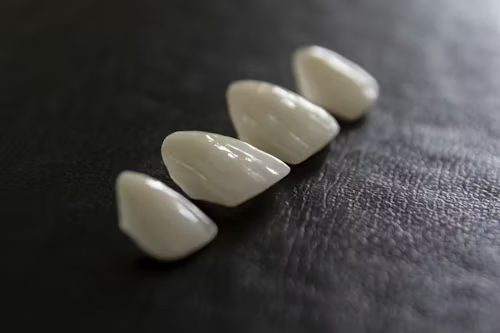
Porcelain veneers offer unparalleled aesthetic versatility, capable of correcting multiple cosmetic issues simultaneously — from severe discoloration that whitening can’t address to gaps, chips, and minor misalignments. Unlike crowns, which require significant tooth reduction, veneers preserve most of your natural tooth structure while delivering dramatic visual improvements. The porcelain material itself resists staining better than natural tooth enamel, maintaining its appearance for years with proper care.
The durability factor sets porcelain apart from other cosmetic options. High-quality veneers can last 15-20 years with appropriate maintenance, making them cost-effective over time despite the higher initial investment. The strength of modern porcelain also allows for normal eating habits once the adjustment period ends, though certain precautions remain necessary throughout their lifespan.
However, the permanence that makes veneers appealing also represents their primary limitation. The enamel removal required for placement means your teeth will always need some form of restoration — if a veneer fails, it must be replaced rather than simply removed. This creates a lifelong commitment to maintaining these restorations.
Sensitivity issues affect some patients, particularly in the weeks following placement. The enamel removal process can expose microscopic tubules in the tooth, leading to increased sensitivity to hot and cold temperatures. While this usually resolves as the tooth adapts, some patients experience persistent sensitivity that requires ongoing management.
The cost consideration extends beyond the initial procedure. Veneer maintenance, potential repairs, and eventual replacement represent ongoing expenses that can accumulate over decades. Additionally, not all dental insurance plans cover cosmetic procedures, leaving patients responsible for the full cost in most cases.
Maintaining Porcelain Veneers for Long-Term Success
Daily care for porcelain veneers closely mirrors natural tooth care, with a few critical modifications. Non-abrasive toothpaste becomes essential, as whitening toothpastes and those with baking soda can gradually dull the porcelain surface. Regular brushing and flossing remain crucial, though the technique around veneer margins requires extra attention to prevent plaque buildup where the restoration meets natural tooth structure.
The biggest threat to veneer longevity isn’t decay — it’s mechanical damage from habits and accidents. Chewing ice, opening packages, or using teeth as tools can fracture even high-quality porcelain. Night grinding requires a custom guard to distribute forces evenly and prevent catastrophic failure during sleep.
Porcelain Veneer Aftercare Tips
Professional maintenance appointments become more critical with veneers, typically recommended every six months rather than the standard annual cleaning. During these visits, your hygienist will use specialized tools that won’t damage the porcelain surface while removing plaque and tartar buildup around the veneer margins.
Stain prevention requires ongoing vigilance despite porcelain’s resistance to discoloration. While the veneer itself won’t stain, the bonding material around the edges can darken over time, creating visible lines between the restoration and natural tooth. Limiting exposure to coffee, red wine, and tobacco helps maintain the seamless appearance.
Emergency protocols matter significantly with veneers. Unlike natural teeth, which can often wait for routine appointments when problems arise, veneer issues typically require prompt professional attention. A loose veneer that remains in place might seem manageable, but the underlying adhesive failure can allow bacteria to penetrate, potentially causing decay in the prepared tooth structure underneath.
Addressing Common Challenges and Misconceptions
Many patients assume veneers eliminate the need for careful oral hygiene, but the opposite is true. The junction between veneer and natural tooth creates additional areas where plaque can accumulate, making thorough daily cleaning even more important than before treatment. Gum disease around veneers can lead to recession that exposes the preparation margins, compromising both aesthetics and function.
The misconception that veneers last forever often leads to disappointment when replacement becomes necessary. Even perfectly maintained veneers will eventually require renewal due to normal wear, changes in gum position, or shifting of adjacent teeth. Planning for this eventuality, both financially and practically, helps maintain realistic long-term expectations.
Bite changes represent another common challenge that’s often underestimated. Even minor alterations in tooth thickness can affect jaw function, potentially leading to TMJ symptoms or increased clenching. These issues typically resolve as patients adapt, but some cases require bite adjustments or additional dental work to restore comfortable function.
Longevity and Durability Compared to Other Options
Porcelain veneers typically outlast composite alternatives by a significant margin, with average lifespans of 15-20 years versus 5-7 years for composite veneers. This durability difference stems from porcelain’s superior resistance to wear, staining, and fracture under normal use conditions. The initial cost premium for porcelain often balances out over time when replacement cycles are considered.
Material strength varies considerably between veneer types. Porcelain withstands bite forces up to 200 pounds per square inch without damage, while composite materials begin showing wear patterns much earlier. However, when porcelain does fail, the fractures tend to be more extensive and typically require complete replacement rather than simple repair.
Compared to crowns, veneers preserve significantly more natural tooth structure but cover less surface area. This makes them ideal for cosmetic improvements on healthy teeth but unsuitable for teeth with extensive decay or large existing fillings. Crowns provide superior protection for compromised teeth but require more aggressive preparation that weakens the remaining tooth structure.
The decision between veneer types often comes down to balancing longevity against cost and invasiveness. While porcelain veneers require the highest initial investment and most permanent tooth alteration, they provide the most durable and aesthetically superior long-term result. For patients committed to maintaining their investment through proper care and regular professional maintenance, porcelain typically delivers the best value proposition over decades of use.
Understanding these trade-offs helps ensure veneer patients make decisions aligned with their long-term oral health goals rather than focusing solely on immediate cost considerations. The daily routine changes that come with any veneer type become more manageable when viewed as protecting a significant investment in both function and aesthetics.
Buy Me A Coffee
The Havok Journal seeks to serve as a voice of the Veteran and First Responder communities through a focus on current affairs and articles of interest to the public in general, and the veteran community in particular. We strive to offer timely, current, and informative content, with the occasional piece focused on entertainment. We are continually expanding and striving to improve the readers’ experience.
© 2026 The Havok Journal
The Havok Journal welcomes re-posting of our original content as long as it is done in compliance with our Terms of Use.