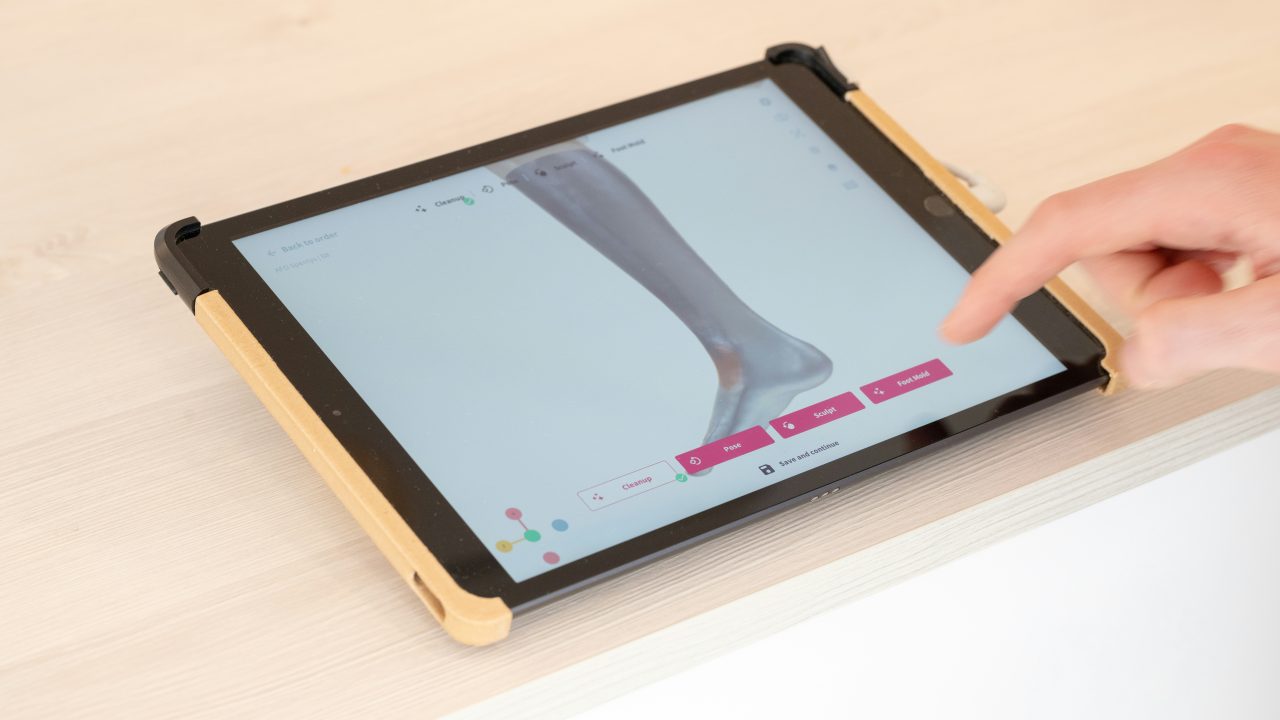
Photo by Tom Claes on Unsplash
In today’s healthcare ecosystem, custom MedTech software is more than a tool—it’s a necessity. Hospitals, clinics, research labs, and medical device manufacturers rely on specialized software to manage patient data, streamline workflows, support diagnostics, and integrate devices. However, with this reliance comes a non-negotiable requirement: regulatory compliance. Any MedTech solution must meet rigorous legal and ethical standards designed to protect patient safety, ensure data security, and promote transparency. For organizations engaged in custom MedTech software development, understanding and ensuring compliance is as crucial as the code itself.
Why Compliance Matters in MedTech Software
Unlike general-purpose applications, MedTech software directly impacts patient care and sensitive health data. Errors or security failures can result in clinical misjudgments, data breaches, legal penalties, or loss of trust. Regulatory compliance ensures that software meets predefined safety, security, and performance standards before it is deployed in clinical environments.
Compliance also protects developers and healthcare providers. By aligning with global and local regulations, they reduce legal risks, streamline market entry, and demonstrate accountability to stakeholders and patients alike.
The Regulatory Landscape
Compliance in MedTech software is complex and varies across regions. Developers must understand which standards apply based on the software’s function, intended users, deployment region, and whether it is considered a medical device.
1. United States (FDA)
In the U.S., the Food and Drug Administration (FDA) regulates medical software that meets the definition of a medical device. The FDA’s regulations (21 CFR Part 820 and others) require software to undergo validation, risk assessment, documentation, and sometimes premarket approval. For software as a medical device (SaMD), additional guidance applies regarding cybersecurity, clinical evaluation, and human factors.
2. European Union (MDR and IVDR)
Under the EU Medical Device Regulation (MDR) and In Vitro Diagnostic Regulation (IVDR), any software that plays a role in diagnosis, monitoring, or treatment may be classified as a medical device. The regulations require conformity assessments, CE marking, post-market surveillance, and detailed technical documentation.
3. Other Regions
Countries like Canada (Health Canada), Australia (TGA), and Japan (PMDA) have their own standards, many of which align with the International Medical Device Regulators Forum (IMDRF) guidelines. Developers often aim to follow ISO and IEC standards (e.g., ISO 13485, IEC 62304) to ensure broader international compliance.
Key Areas of Compliance in Custom MedTech Software
Successful compliance is not a one-time task but a continuous process built into every stage of development. Below are the core areas that demand attention.
1. Risk Management
Before writing any code, developers must perform a detailed risk assessment. This involves identifying potential hazards related to the software’s use, such as incorrect outputs, loss of connectivity, or user errors. For each risk, developers must define mitigation strategies and evaluate residual risks.
Tools like Failure Mode and Effects Analysis (FMEA) and Hazard Analysis and Risk Control (HARPC) are commonly used. Documentation of this process is critical for audits and regulatory reviews.
2. Software Lifecycle Management (IEC 62304)
IEC 62304 is the internationally recognized standard for the software life cycle in medical devices. It defines processes for software development, maintenance, configuration management, and problem resolution.
Key elements include:
- Planning: Outlining tasks, responsibilities, and timelines.
- Requirements Analysis: Gathering and documenting functional and safety requirements.
- Design and Implementation: Building according to documented architecture.
- Verification and Validation: Ensuring the software meets all requirements and works as intended.
- Maintenance: Managing updates, patches, and bug fixes without introducing new risks.
Following IEC 62304 ensures a structured, traceable development process that meets regulatory expectations.
3. Cybersecurity and Data Protection
With patient data involved, cybersecurity is a central compliance concern. Regulatory bodies expect software to have built-in protections against unauthorized access, tampering, and data loss.
Key practices include:
- End-to-end encryption for data transmission.
- Role-based access control (RBAC).
- Regular vulnerability testing and threat modeling.
- Secure user authentication.
In the EU, GDPR also applies, mandating transparent data collection, consent management, and the right to be forgotten. In the U.S., HIPAA sets strict requirements for protecting health information. Developers must build features that support these laws natively—like audit logs, anonymization tools, and access tracking.
4. Clinical Evaluation and Validation
For software that affects diagnosis or treatment, clinical validation is often mandatory. This involves proving that the software performs as intended in real-world scenarios and benefits patients without introducing new risks.
This may include:
- Usability testing with healthcare professionals.
- Comparative studies with existing tools or manual processes.
- Post-market surveillance plans to track software performance after deployment.
Regulators may request clinical data before granting approval, especially for higher-risk classifications.
5. Documentation and Traceability
Every line of code, design decision, and test result must be traceable. Custom MedTech software development teams must produce detailed documentation covering:
- Requirements traceability matrices.
- Test protocols and results.
- Source code versioning.
- Design diagrams and architecture overviews.
- User manuals and training materials.
This documentation ensures that the development process is transparent and that any issues can be investigated quickly. It also helps facilitate audits and regulatory inspections.
Best Practices for Ensuring Compliance
1. Integrate Compliance from the Start
Compliance should not be treated as a final checkbox. It must be integrated into each development phase—from planning and design to testing and release. Early involvement of regulatory specialists can help identify which standards apply and what documentation will be needed.
2. Use Established Frameworks
Leveraging established compliance frameworks like ISO 13485 for quality management and IEC 62304 for software lifecycle helps maintain structure. These standards are widely recognized and often expected by regulatory bodies.
3. Invest in Automated Testing and Validation
Automated test suites reduce human error, speed up verification processes, and ensure consistency across releases. These systems can track compliance metrics and generate reports for audits.
4. Maintain Ongoing Monitoring
Post-deployment, the job isn’t over. Continuous monitoring, bug tracking, and user feedback are essential for identifying new risks. Regular updates should be planned and thoroughly tested to maintain compliance and performance.
5. Train Your Teams
Developers, product managers, QA testers, and designers must be trained in compliance standards relevant to medical software. Knowledge-sharing across teams ensures that compliance is maintained throughout the development lifecycle.
Conclusion
In custom MedTech software development, regulatory compliance is not an optional extra—it is an intrinsic part of the process. From the first line of code to long-term maintenance, developers must prioritize safety, security, and legal adherence. By following established standards, integrating compliance from the ground up, and documenting every step, organizations can build reliable, future-ready software that meets both market and regulatory expectations.
Ensuring compliance may seem complex, but the cost of non-compliance—whether legal, financial, or reputational—is far greater. In a field where lives and trust are on the line, getting it right is not just smart—it’s essential.
Buy Me A Coffee
The Havok Journal seeks to serve as a voice of the Veteran and First Responder communities through a focus on current affairs and articles of interest to the public in general, and the veteran community in particular. We strive to offer timely, current, and informative content, with the occasional piece focused on entertainment. We are continually expanding and striving to improve the readers’ experience.
© 2026 The Havok Journal
The Havok Journal welcomes re-posting of our original content as long as it is done in compliance with our Terms of Use.


