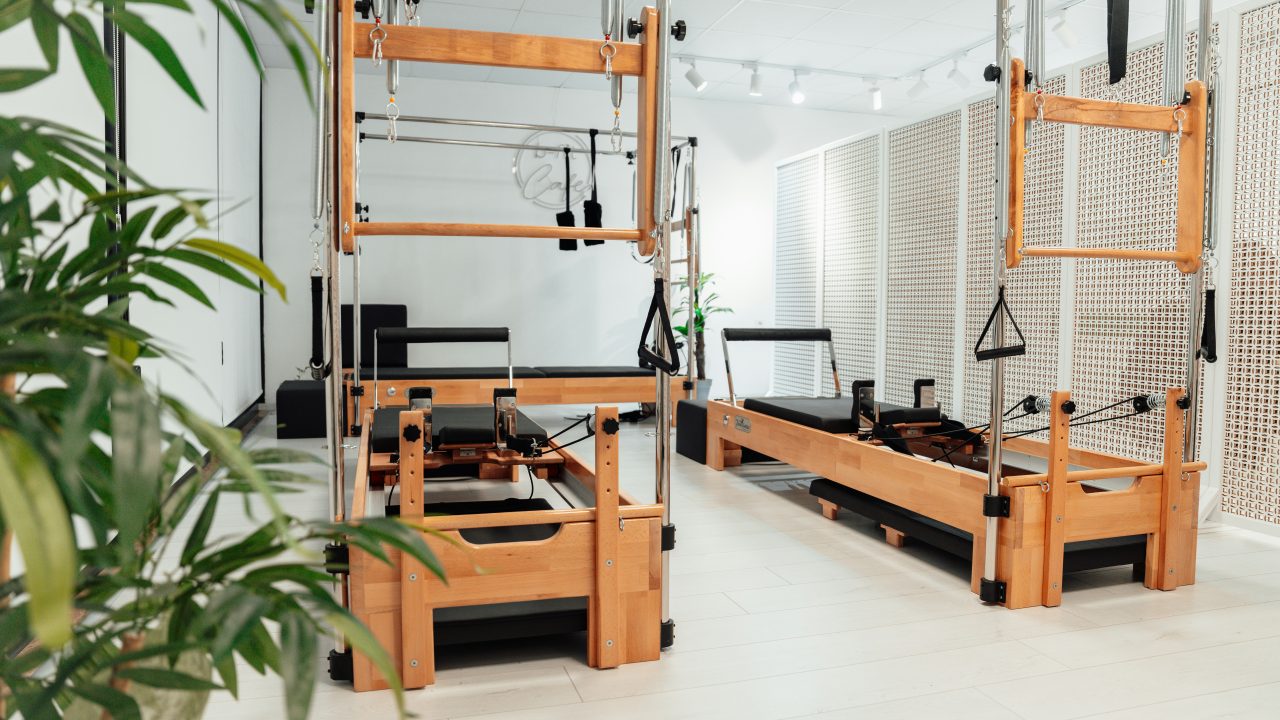
Photo by Ahmet Kurt on Unsplash
Pilates has become one of Australia’s most popular forms of exercise, valued for its ability to improve strength, posture, flexibility, and overall wellbeing. However, not all Pilates studios are created equal. Choosing the right Pilates studio for your body and personal goals is essential to achieving safe, effective, and long-lasting results.
Whether you are new to Pilates, returning after injury, or looking to advance your practice, this guide will help you make an informed decision and find a Pilates studio that truly supports your needs.
Understand Your Goals and Physical Needs
Before researching pilates studios, take time to clearly define your goals. Pilates can serve many purposes, and studios often specialise in different approaches.
Ask yourself:
- Are you seeking rehabilitation or injury prevention?
- Do you want to improve posture, mobility, or core strength?
- Are you training for sport or looking for low-impact exercise?
- Do you prefer a gentle pace or a more challenging workout?
Your body’s history is equally important. If you have chronic pain, past injuries, are pregnant, or post-natal, you will benefit from a studio experienced in clinical or modified Pilates. Being clear about your objectives will narrow your search and help you choose a studio aligned with your needs.
Check Instructor Qualifications and Experience
Instructor expertise is one of the most critical factors when choosing a Pilates studio in Australia. Pilates is a precise method, and incorrect technique can lead to injury or ineffective results.
Look for studios where instructors:
- Hold comprehensive Pilates certifications (not just short courses)
- Have training in anatomy, biomechanics, and injury management
- Undertake ongoing professional development
- Have experience working with clients similar to you
In Australia, reputable instructors often have backgrounds in exercise science, physiotherapy, or allied health. Do not hesitate to ask about instructor qualifications or experience. A professional studio will welcome these questions.
Consider Studio Type: Mat vs Reformer Pilates
Understanding the difference between Mat Pilates and Reformer Pilates will help you select the right environment.
Mat Pilates focuses on body-weight exercises performed on the floor and is often offered in larger group classes. It can be effective but may provide limited individual feedback.
Reformer Pilates uses specialised equipment with springs and resistance, allowing exercises to be tailored to different bodies and abilities. It is particularly beneficial for rehabilitation, beginners, and those wanting more personalised progression.
If you are new to Pilates or managing physical limitations, a studio offering small group or private Reformer Pilates sessions may be the safest and most effective option.
Class Size and Individual Attention
Class size has a direct impact on your results and safety. Large classes can limit instructor feedback and increase the risk of poor technique going unnoticed.
When evaluating Pilates studios, consider:
- How many clients are in each class?
- Does the instructor offer hands-on corrections or modifications?
- Are beginners supported appropriately?
Studios that prioritise smaller class sizes typically provide more personalised instruction, ensuring exercises are adapted to suit your body and goals.
Assess the Studio Environment and Equipment
A professional Pilates studio should feel clean, welcoming, and well organised. Quality equipment is essential, particularly for Reformer Pilates.
Look for:
- Well-maintained reformers and apparatus
- Adequate space for safe movement
- A calm, supportive atmosphere
- Clear safety procedures and hygiene standards
Many Australian Pilates studios offer introductory sessions or trial classes. This is an excellent opportunity to assess whether the studio environment suits you before committing.
Location, Schedule, and Accessibility
Consistency is key to seeing results from Pilates. Choosing a studio that fits easily into your lifestyle will make regular attendance more achievable.
Consider:
- Proximity to home or work
- Availability of class times that suit your schedule
- Ease of parking or access to public transport
- Flexible membership or class pack options
A convenient location and practical timetable can make the difference between maintaining a routine and giving up after a few weeks.
Read Reviews and Ask for Recommendations
Online reviews can provide valuable insight into a Pilates studio’s reputation, teaching quality, and client experience. Look for consistent feedback about professionalism, results, and instructor knowledge rather than just atmosphere.
In addition, personal recommendations from friends, family, or health professionals such as physiotherapists can be particularly trustworthy.
Ensure the Studio Aligns with Your Values
Finally, consider whether the studio’s philosophy aligns with your expectations. Some studios focus heavily on fitness and aesthetics, while others prioritise movement quality, long-term health, and injury prevention.
The right Pilates studio should make you feel supported, respected, and confident in your practice, regardless of age, fitness level, or body type.
Final Thoughts
Choosing the right Pilates studio for your body and goals is an investment in your health. By prioritising qualified instructors, appropriate class sizes, quality equipment, and a supportive environment, you can ensure your Pilates practice is safe, effective, and enjoyable.
Taking the time to research and trial studios will help you find a Pilates studio in Australia that not only meets your current needs but supports your long-term wellbeing and movement goals.
Buy Me A Coffee
The Havok Journal seeks to serve as a voice of the Veteran and First Responder communities through a focus on current affairs and articles of interest to the public in general, and the veteran community in particular. We strive to offer timely, current, and informative content, with the occasional piece focused on entertainment. We are continually expanding and striving to improve the readers’ experience.
© 2026 The Havok Journal
The Havok Journal welcomes re-posting of our original content as long as it is done in compliance with our Terms of Use.


