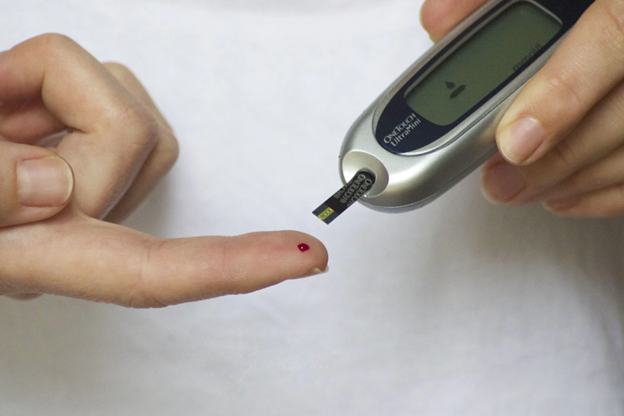
Chronic conditions, such as diabetes, hypertension, and asthma, affect millions of individuals worldwide and pose significant challenges to both patients and healthcare systems. Effectively managing these conditions requires a comprehensive approach that addresses acute symptoms and fosters long-term health and wellness. Primary care is crucial in this journey, offering personalized care plans, continuous monitoring, and preventive measures. This article will explore how primary care can help manage chronic conditions.
Personalized Care Plans
Primary care providers are often the first point of contact for individuals seeking medical care, giving them a unique chance to build strong relationships with their patients and understand their needs. By considering a patient’s medical history, lifestyle, and preferences, primary care providers at https://www.convivacarecenters.com/ can create personalized care plans that address symptoms and the underlying causes of chronic conditions. For instance, a diabetic patient may benefit from a customized nutrition plan and regular exercise recommendations tailored to their dietary restrictions and preferences. These customized approaches enhance treatment adherence and improve overall health outcomes. As primary care continues to prioritize continuity, monitoring, and personalized support, services like Acelpa Health fit seamlessly into a broader, patient-centered approach to managing long-term health needs over time.
Continuous Monitoring and Follow-up
Unlike specialty care, primary care offers continuity of care, meaning that the same provider follows up with patients over an extended period. This allows for comprehensive monitoring of chronic conditions and early detection of any changes or complications. Primary care providers can track patients’ progress through regular check-ups, routine lab work, and medication reviews.
In addition to physical monitoring, primary care providers also play a crucial role in offering emotional support and education to individuals with chronic conditions. These professionals understand that managing a chronic illness can be overwhelming, so they strive to create a welcoming environment where patients feel comfortable discussing their concerns. By regularly checking in with patients, they can assess not only physical health but also emotional well-being, which is vital for holistic care.
Preventive Measures
While managing chronic conditions can be challenging, primary care also focuses on preventive measures to reduce the risk of developing these conditions in the first place. Primary care providers can identify and address risk factors, such as smoking, obesity, and sedentary lifestyle, through behavioral counseling and referrals to specialists or community resources.

Moreover, primary care offers vaccinations for preventable diseases that could worsen chronic conditions. For example, individuals with diabetes are at a higher risk of developing complications from influenza or pneumonia. By receiving annual flu shots and pneumococcal vaccines, individuals with diabetes can significantly reduce their risk of hospitalization or death due to these infections.
Coordination of Care
Another vital aspect of primary care in managing chronic conditions is coordinating care among various healthcare providers. Chronic conditions often require the expertise of multiple specialists, such as endocrinologists for diabetes or cardiologists for hypertension. Primary care providers are the central hub, facilitating communication and collaboration between patients and specialists.
This ensures that all patient health aspects are considered and managed effectively. By coordinating treatment plans, sharing important information, and focusing on the patient’s overall well-being, primary care providers help prevent fragmented care and ensure comprehensive support throughout their healthcare journey.
Primary care is essential in managing chronic conditions by providing personalized care plans, continuous monitoring and follow-up, and preventive measures. By taking a holistic approach to healthcare, primary care providers help individuals live healthier lives and reduce the burden of chronic conditions on patients and healthcare systems. Regular visits to a primary care provider should be integral to any chronic disease management plan for optimal health outcomes.
Buy Me A Coffee
The Havok Journal seeks to serve as a voice of the Veteran and First Responder communities through a focus on current affairs and articles of interest to the public in general, and the veteran community in particular. We strive to offer timely, current, and informative content, with the occasional piece focused on entertainment. We are continually expanding and striving to improve the readers’ experience.
© 2026 The Havok Journal
The Havok Journal welcomes re-posting of our original content as long as it is done in compliance with our Terms of Use.


