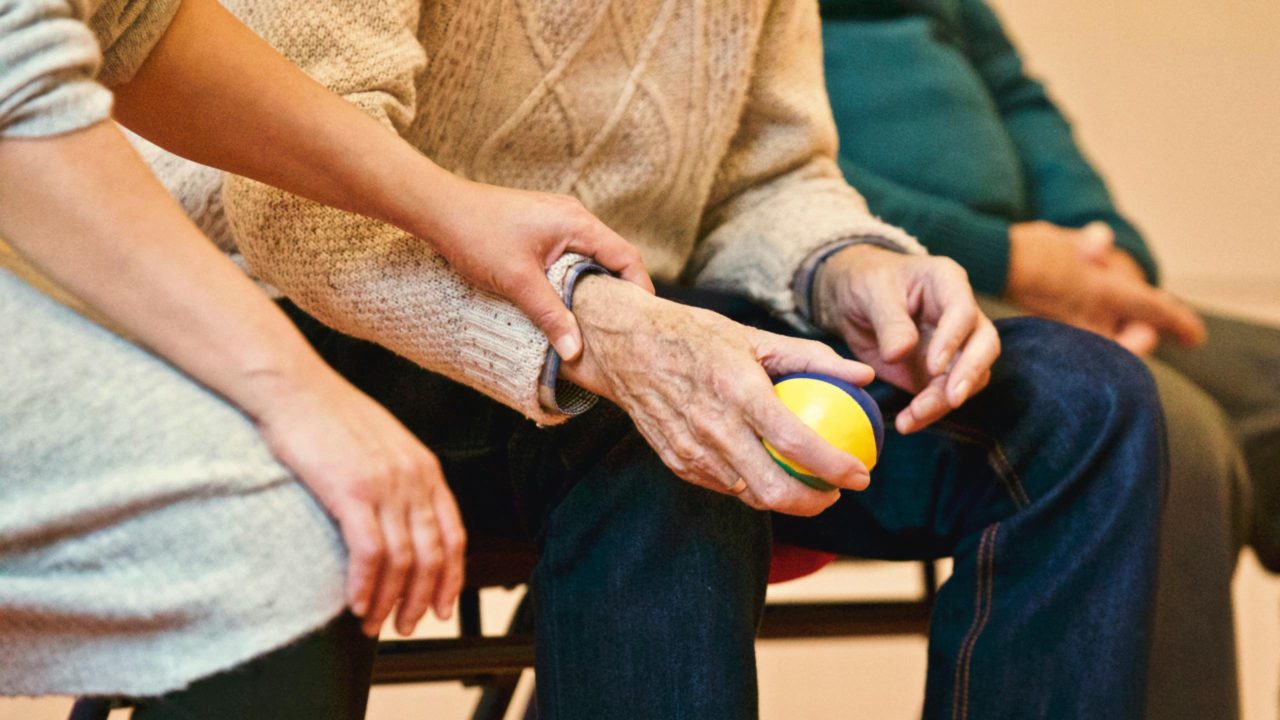
Home-based care within the hospice setting can be defined as an ultimate compassionate way of giving end-of-life care that will see the patient pass on while at home, in warmth and comfort. Such care focuses heavily on the patient’s and family’s physical, emotional, and spiritual support. Understanding what home hospice care entails will demystify the process and actually show why this service is very important.
What is Hospice Care at Home?
This is a specialized form of health care that provides great comfort and support to patients suffering from terminal illnesses. Home hospice care allows these patients to be attended to while still remaining in the comfort of their homes, unlike the in-patient form of care, which mainly consists of the hospital. This not only grants maximum comfort but also allows personalized care that will best suit the needs of the patient.
The Hospice Home Team
A hospice home team focuses on a dedicated, multidisciplinary group of professionals for service delivery. The basic membership of the team may be doctors and nurses, with additional professionals like social workers, chaplains, or trained volunteers for symptom management, emotional support, and assistance with daily functions. Their coordination ensures that the patient’s needs are effectively met.
Everyday Care
- Morning Routine
The hospice home care day begins with the nurse’s initial assessment. This would include vital signs, assessing the patient’s current pain level, and assessing the patient’s overall well-being. The other critical component of the morning routine is medication management, which ensures that proper dosages of pain relief and other medications are given to the patient. Personal care and hygiene are also attended to, like bathing and dressing, which gives the patient a sense of dignity and comfort.
- Mid-Morning Activities
Mid-morning is usually reserved for physical therapy sessions, if required, to ensure the patient can move around and is at ease. Patients with terminal diseases also receive emotional and psychic counseling from hospice personnel. The hospice team offers patients and their families various coping mechanisms to enable them to cope with the psychological shock that often characterizes life-limiting illnesses. Families are always advised to stay close to the patient, communicate with them, and spend some time with them since that is part of hospice care.
- Lunch and Rest Period
Meal preparation is based on the patient’s diet preferences and needs. The hospice team ensures that meals are nutritious and easy to take. Rest is encouraged during the afternoon since patients usually need this for their well-being.
- Afternoon Care
Afternoon patients participate in socialization and activities that keep their minds active and spirits high. Pain and symptom management is a priority at this time, as the hospice team responds to changes in condition. Spiritual care and counseling provide support, comfort, and peacefulness during this phase of life.
- Evening Routine
As the day ends, evening medications are administered, and comfort measures are taken as needed. Wound care and all other medical needs are addressed to keep the patient as comfortable as possible for the night.
- Night Care
Patients are supervised during the night, as the hospice team offers continuous care. When a patient’s rapid deterioration requires emergency procedures, the hospice team can intervene, and help will always be available when needed.

Challenges in Home Hospice Care
Home hospice care has many challenges, such as managing complex medical needs at home and being emotionally draining on the family. Support and resources can help overcome these challenges. Clear communication with your hospice team, joining a support group, and using respite care will help you find solutions and cope.
Benefits of Home Hospice Care
The benefits of home hospice care are numerous. Patients often feel more comfortable and at ease in their own homes, surrounded by familiar sights and sounds. This personalized care approach ensures that patients receive attention tailored to their unique needs, improving their overall quality of life.
Real-life experiences from patients and families highlight the positive impact of home hospice care. Many families express gratitude for the compassionate care their loved ones received and the peace it brought during their final days.
Why do People Choose Home Hospice?
Choosing home hospice care offers other benefits, such as comfort and a familiar environment. More often than not, patients feel relatively better, at ease, and less stressed when they are in their own homes, surrounded by things they are familiar with and people they adore.
Care at home hospice also gives one more control over the process of care. Patients and their families may decide on the kind of care they intend to have, hence ensuring it conforms to their preferences and values. That kind of control can be empowering—serenity during a really tough time.
Another significant advantage is the improved quality of life that home hospice care can offer. In terms of comfort and symptom management, hospice care helps patients at the end of life live their days to the fullest by reducing pain and distress.
Moreover, hospice care at home reduces repeated hospital visits and numerous interventions that can be exhausting and, thus, disturbing. As the care will be provided in the patient’s own homes, it would save them from further suffering and discomforts of hospitalization; hence, they can spend more quality time with their families.

FAQ
What is the role of a hospice nurse?
The hospice nurse is responsible for managing the symptoms, dispensing medications, and giving emotional support to the patient and their relations.
How is pain managed under home hospice care?
The pains experienced by the patients under home hospice care are managed individually. Controlling pain sensations could be through medication, physical therapy, and any other method of comfort.
Does hospice care have any nonterminal conditions?
While hospice care is essentially terminal, some specific programs can take palliative care under nonterminal circumstances to quality-of-life care.
How does home hospice care assist family members?
Home hospice care assists the family in attending to the emotional needs of these family members, educating them on how to care during the person’s last days, and even giving caregivers breaks from time to time with respite care.
What should families expect in the last days?
During the very last days of life, families can expect increased support from the hospice team, focused on comfort measures for the patient, along with supportive emotional assurance of peaceful transition.
Buy Me A Coffee
The Havok Journal seeks to serve as a voice of the Veteran and First Responder communities through a focus on current affairs and articles of interest to the public in general, and the veteran community in particular. We strive to offer timely, current, and informative content, with the occasional piece focused on entertainment. We are continually expanding and striving to improve the readers’ experience.
© 2026 The Havok Journal
The Havok Journal welcomes re-posting of our original content as long as it is done in compliance with our Terms of Use.


