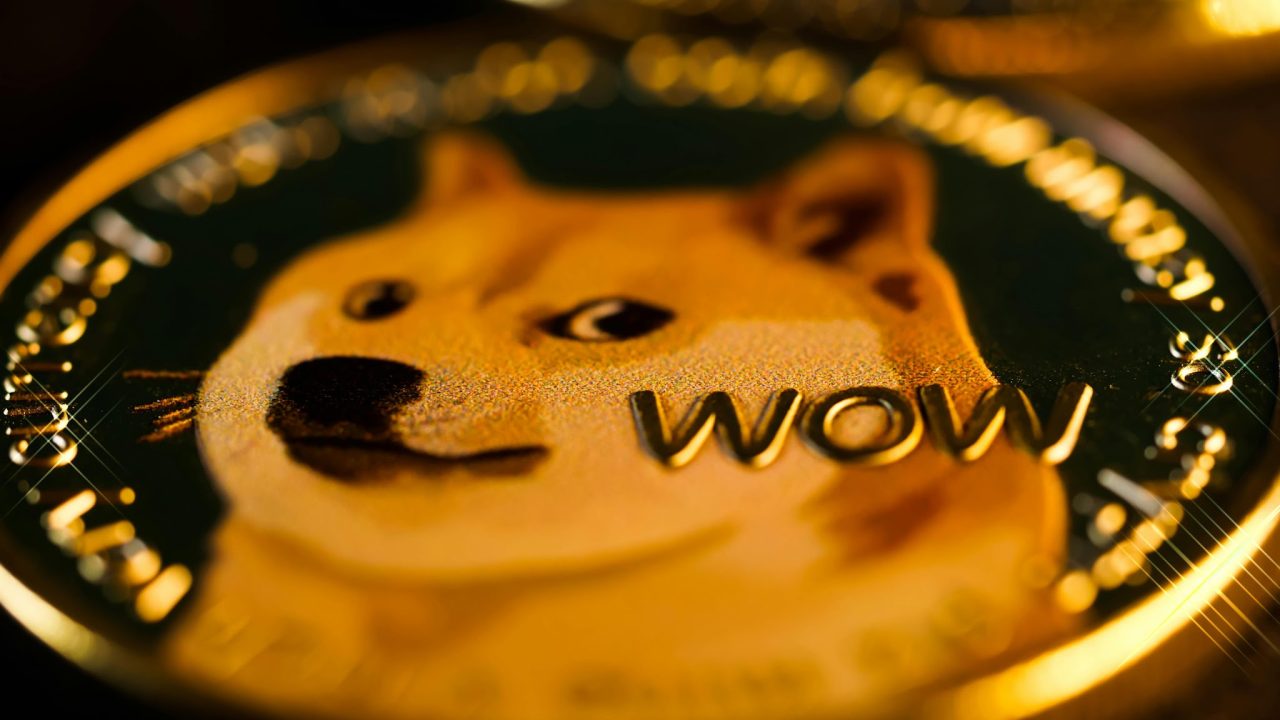
Public attention now moves with unusual speed. It gathers around an image or a phrase, turns that burst of interest into traffic and conversation, and eventually into money. Crypto gives that process a tradable form. A token can carry a mood in the way a headline once did. The SEC’s 2025 staff statement on meme coins describes them as assets people often buy for entertainment and cultural purposes, with value driven mainly by demand and speculation. That wording says quite a lot. You are looking at finance shaped by attention, and attention shaped by culture.
That helps explain why this corner of the market keeps resurfacing in current affairs coverage. The Reuters Institute Digital News Report 2025 says audiences keep shifting toward social media and video platforms for information, while younger adults often come across news while doing something else online. Pew’s 2025 work on young adults and news adds a sharper detail. Among Americans aged 18 to 29, 76% get news from social media at least sometimes, and 38% regularly get news from news influencers. That is the setting in which these tokens thrive. They live where news and market action meet each other in public.
A token can function like a headline with a price
Take Pepe. On Binance’s live Pepe price page, updated March 26, 2026, PEPE traded at about $0.0000034 per token, with a market cap of $1.4 billion and 24-hour trading volume of $289 million. Binance also describes it as a meme-based cryptocurrency on Ethereum inspired by Pepe the Frog, introduced in April 2023 and driven mainly by speculation, community engagement, and online visibility. It’s a useful case study because the token’s story sits right on the surface. You can see the culture, the market, and the crowd all in one place. Binance’s page also showed 95.6 million views on its PEPE tag, which gives you a rough sense of how attention itself becomes part of the asset.
That blend of spectacle and liquidity tells you something broader about the digital age. Public notice now carries exchange value. A subject attracts conversation, the conversation attracts curiosity, the curiosity attracts buying, and the buying creates fresh conversation. The cycle is familiar from politics, media, and celebrity culture, though here it appears in a sharper financial form. A token needs recognisability and enough cultural energy to keep people looking at it for one more hour.
Social platforms shape the price of attention
Research has started to catch up with this. A 2025 paper in Research in International Business and Finance found that greater social-network attention leads to more stock purchases, and that forum-wide attention herding can produce sizeable trading effects in retail markets. A 2026 study in the Journal of Behavioral Finance examined meme coins specifically and found that categorized Twitter sentiment relates to cryptocurrency returns, with different sentiment types showing different effects across major crypto and meme-token segments. Put more simply, the crowd looks at a thing together, speaks about it together, and then trades it together.
That group behaviour helps explain why these assets feel so tied to current events even when they carry little formal connection to policy or statecraft. They are public-attention instruments. They register temperature. They capture what people feel like amplifying in the moment. Sometimes that mood reflects irony. Sometimes it reflects defiance, boredom, enthusiasm, or tribal identity. Sometimes it reflects a weekend on the internet when everyone seems to have agreed, briefly and heartily, that a frog has become a financial category.
The cultural layer now sits inside finance
At first, it’s hard to see what all this has in common with traditional finance. Meme tokens show you a market in which story and price arrive together. But traditional investing has always had narratives, of course. This corner simply strips away the more respectable tailoring. You get the slogan and the social feed in one view. Richard Teng, Binance CEO, expressed the larger direction in institutional terms: “Global adoption often starts with a single domino. Now that crypto is being recognized as a legitimate financial instrument within one of the world’s largest retirement systems, the question is no longer what – but when.” His remark sits comfortably beside the broader trend. Digital assets now span a wide range, from serious market mechanics to highly social tokens that behave like cultural snapshots.
Fintech also plays a role here, because the tools for trading and monitoring have become faster and easier to use. A person can see a topic trend, open an app, check a chart, and act within minutes. That speed compresses the distance between public chatter and financial behaviour. The older boundary between noticing and trading has grown much thinner. In that environment, a meme token becomes one of the fastest ways to see attention turn into measurable market activity.
Usefulness begins with reading the signal correctly
For readers who follow wider public debate, the lesson here is less about picking winners and more about understanding growing trends. These tokens show how collective focus behaves under digital conditions. Pew’s 2025 research says young adults often encounter news incidentally, and 70% of those aged 18 to 29 say they mostly get political news because they happen to come across it rather than seek it out. That same environment favours assets that spread through recognition and repetition. If you want to understand how narratives travel now, these markets offer a live demonstration every day.
Yi He, Binance co-founder, put the shift in broader terms: “Crypto isn’t just the future of finance – it’s already reshaping the system, one day at a time.” That reshaping includes a change in what counts as financially legible. A joke can carry value. A mascot can hold a billion-dollar market cap. A piece of internet folklore can sit on a major exchange and attract nine-figure daily volume. That shows you where public attention now gathers, and how quickly it can turn culture into capital. In the digital age, that is a useful thing to understand.
Buy Me A Coffee
The Havok Journal seeks to serve as a voice of the Veteran and First Responder communities through a focus on current affairs and articles of interest to the public in general, and the veteran community in particular. We strive to offer timely, current, and informative content, with the occasional piece focused on entertainment. We are continually expanding and striving to improve the readers’ experience.
© 2026 The Havok Journal
The Havok Journal welcomes re-posting of our original content as long as it is done in compliance with our Terms of Use.


