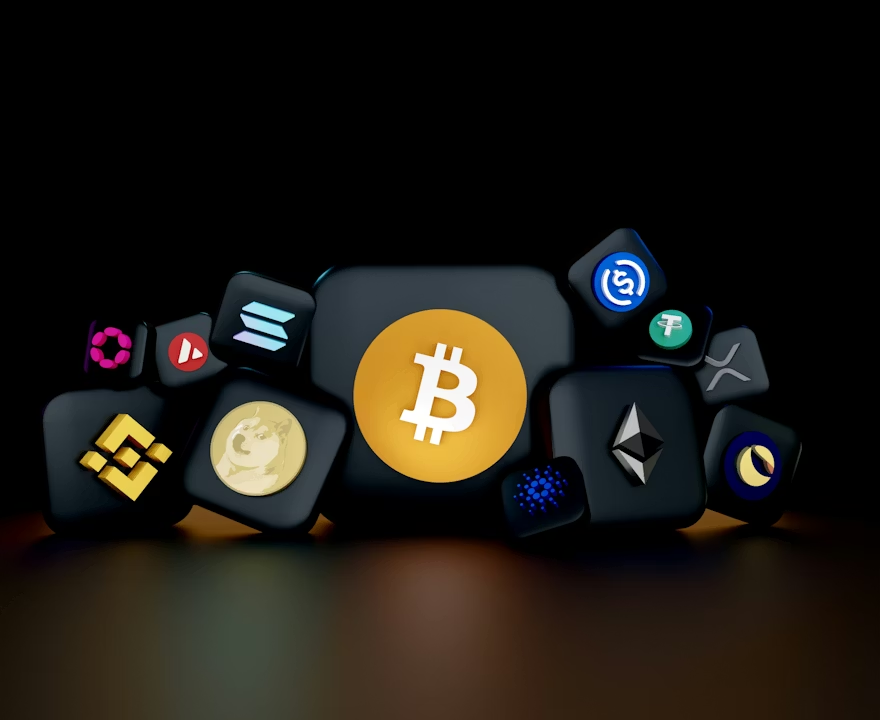
Solana has stepped into 2026 with confidence. At the end of the day is one of the most popular cryptocurrencies in the sector with cheap fees, fast transactions, and the reputation of being the preferred place of traders who don’t want to wait around for long confirmation times. Who wants to feel like they’re living again in the dial-up Internet age? Solana built its reputation thanks to the scale and speed it offers, and for a couple of years, these two features were more than enough to keep it on traders’ lips. It was part of almost any crypto conversation, and investors were more than enthusiastic to learn how to buy Solana when they wanted to diversify their portfolios with altcoins.
But let’s remember that the crypto world is in a continuous evolution, so it doesn’t reward comfort. It encourages projects to stay competitive and even a little bold. And while Solana was boasting the high number of users its features brought, a lineup of competitors was developing solutions that the same users might find thrilling. Some focused on decentralization, others on interoperability, and some on ecosystem depth. While in their early days, some of them might not have been listed as worthy opponents, now they might stand a chance to steal Solana’s place.
Without further ado, let’s have a look at Solana’s competitors in 2026.
Ethereum – The Largest Altcoin That Seems To Live Forever
Let’s highlight an important thing from the beginning. Ethereum isn’t just a Solana competitor, is the benchmark all altcoins, including Solana, are measuring themselves against. It’s only natural to list Ethereum as the main competitor for Solana because it’s the largest altcoin by market cap, and without doubt, investors turn to it more often than they turn to Solana. Solana built its reputation on speed, but Ethereum bet on something the public finds more important and something smaller altcoins find more challenging to replicate: network effect. Ethereum has locked in institutional trust, liquidity, and developers, so it’s quite difficult to disrupt its trajectory. It also dominates the NFT and DeFi sectors by having a massive user base.
Solana might be cheaper, faster, and smoother than Ethereum, but Ethereum intends to further grow through the 2nd Layer and leave behind the slow dinosaur it used to be and become something more dangerous.
Avalanche – A Pro of Scalability
Avalanche has never screamed for attention, but it has built trust and market popularity through its incomparable features. It has a consensus mechanism created for finality and speed, so it processes transactions fast and enables developers to create custom subnets, which are mini ecosystems that can be customized for a specific application. Now you understand why Avalanche is considered an interesting crypto project. If Solana offers one high-speed highway, Avalanche offers multiple lanes that the user can personalize to their liking. Serious blockchain builders and even institutions find flexibility quite attractive.
However, Avalanche isn’t as popular among crypto users as Solana, and it failed to capture the same level of retail frenzy.
Cardano – An Academician That Think for the Long Run
Solana has often shown a chaotic energy, and Cardano is exactly its opposite in this sense. Solana tends to move fast, and sometimes it might even break patterns, but Cardano is more careful in its trajectory and backs its moves through peer-reviewed development, research, and a philosophy that puts sustainability and security in first place. Some critics might say that Cardano is slow, but its supporters consider that it’s deliberate. And many investors prefer deliberate crypto in a market where rushed ecosystems, exploits, and hacks ruin portfolios. The slow and steady approach Cardano adopts seems more intelligent. Yes, Cardano will not win in a speed race against Solana in 2026, but only because it focuses on playing the longer game at the moment. Cardano bets on trust and stability to be more valuable for the crypto audience.
Polkadot – The Network That Connects Everything
Solana has always counted on its speed to maintain its relevance in the crypto sector, but Polkadot took another approach and promoted connection. Its entire architecture if built around interoperability, which allows blockchains to share information, communicate, and operate together through parachains. We can easily say that this is more than a feature; it’s a philosophy that makes it stand apart. Polkadot isn’t trying to win a race and be the fastest chain; it aims to become the glue that will hold the blockchains together. And if we think about a future where the crypto market becomes a multi-chain, Polkadot is positioning itself as a powerful asset.
Bnb Smart Chain – A Retail Liquidity Machine
BNB Smart Chain doesn’t try to revolutionize the crypto market but instead focuses on two other features crypto users find vital: liquidity and usability. The Binance ecosystem is behind the BNB Smart Chain, and it guarantees low fees, fast transactions, and direct access to one of the most trustworthy user bases in the sector. Solana should see BNB as a serious competitor, especially if it looks towards the retail trading arena, where BNB is clearly a favorite. Solana attracts developers and meme coin supporters, but BNB Smart Chain targets the users who are looking for familiar tools, easy access, and deep liquidity pools. And if you have some experience in crypto or observed the markets lately, you know that often convenience beats innovation.
There’s No Winner That Takes It All In The Crypto Market
This is the kind of truth that might surprise some, but not a seasoned trader. The crypto market doesn’t push forward a single winner, but it’s fragmenting the success across multiple projects. According to research, the capital rotates between multiple names, so Solana might lose ground on some days for one of the above competitors, but it might also win on the others. And at the end of the day, all cryptocurrencies seem to be able to share attention because the crypto market has always promoted the idea of diversified portfolios, which can be achieved only by splitting the attention and funds among multiple assets.
Buy Me A Coffee
The Havok Journal seeks to serve as a voice of the Veteran and First Responder communities through a focus on current affairs and articles of interest to the public in general, and the veteran community in particular. We strive to offer timely, current, and informative content, with the occasional piece focused on entertainment. We are continually expanding and striving to improve the readers’ experience.
© 2026 The Havok Journal
The Havok Journal welcomes re-posting of our original content as long as it is done in compliance with our Terms of Use.


